














The days of viewing sustainability as a mere “add-on” or regulatory hurdle are over. For the GCC construction industry, adapting to sustainable practices has become the single most vital factor for operational efficiency, market competitiveness, and future compliance. Given the region’s unique challenges – extreme weather and limited water resources to ambitious national commitments like UAE Net Zero 2050 – the shift toward smarter, greener building is accelerating.
To fully appreciate this transformation, we must begin by establishing an understanding of the core concepts of Sustainability and Environmental, Social, and Governance (ESG).
In recent years, the words sustainability and ESG have been appearing everywhere – in business meetings, government policies, and even in community discussions. But many people still wonder: what is the difference between the two?
Sustainability means meeting present needs without compromising the ability of future generations to meet theirs. It balances environmental health, economic viability, and social equity – often called the three pillars: planet, profit, and people. The core of sustainability is long-term thinking and responsible use of resources.
ESG stands for Environmental, Social, and Governance. It is a way to measure how a business impacts the planet, treats people, and runs its operations ethically.
SUSTAINABILITY VS ESG
Think of this as a road trip, where sustainability is the destination – how the world can thrive without harming the planet or limiting opportunities for future generations. It means clean air, healthy communities, strong economies, and a better quality of life for everyone. To reach this destination, we need a way to monitor our progress.That’s where ESG comes in.
 |
|
A car dashboard tells us about speed, fuel, and engine health, ESG tells us how businesses and governments are performing in protecting environment and people. |
ESG is the dashboard. Just like a car dashboard tells us about speed, fuel, and engine health, ESG tells us how businesses and governments are performing when it comes to protecting the environment, caring for people, and ensuring fair governance.
E for Environment looks at issues like energy use, carbon emissions, and waste.
S for Social focuses on how companies treat their employees, customers, and communities.
G for Governance checks if leaders are transparent, fair, and accountable.
For example, a company might proudly say, “We care about the environment.” That is the sustainability dream. But ESG asks, “Can you show us your energy savings, your recycling record, and your carbon footprint?” That’s the proof.
Simply put: Sustainability is the world we want to create; while ESG serves as the metric for assessing our progress toward that goal.
SUSTAINABILITY IN GCC CONSTRUCTION
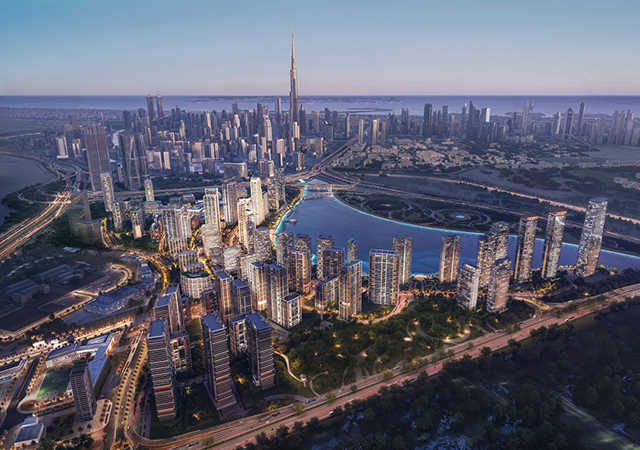
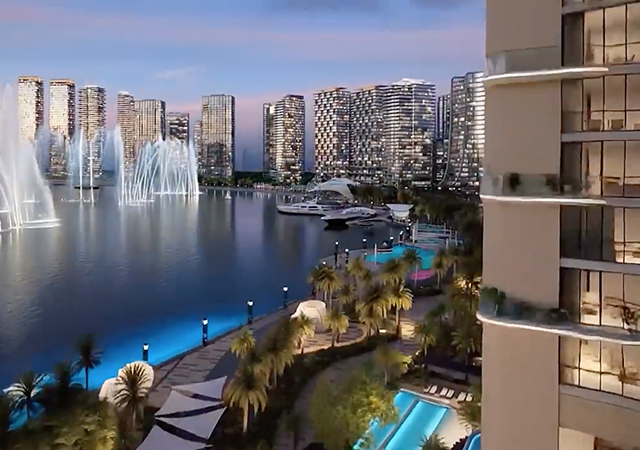
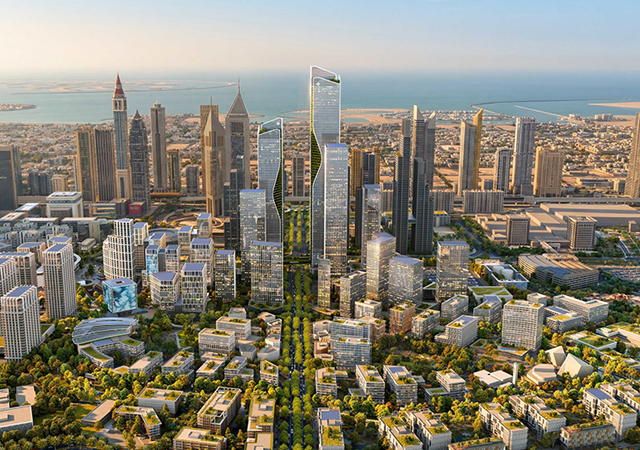
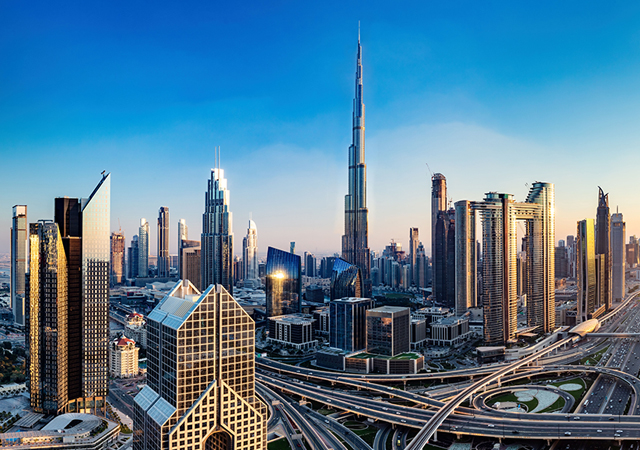
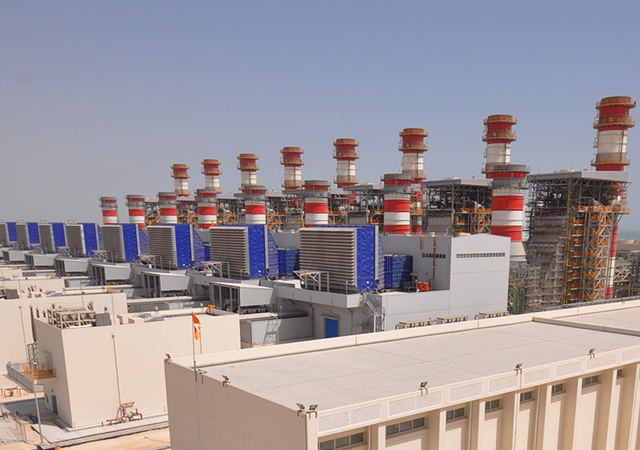
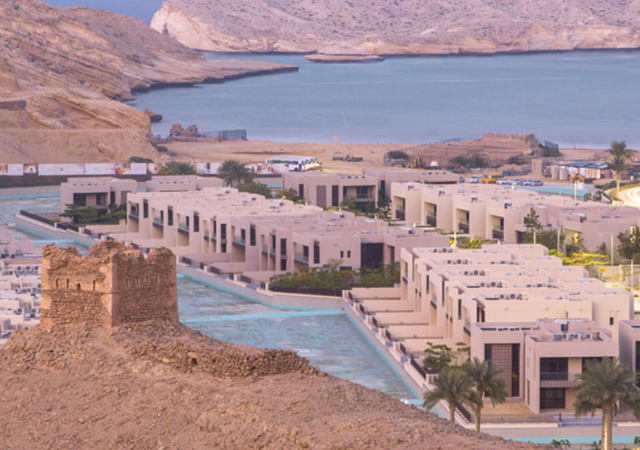
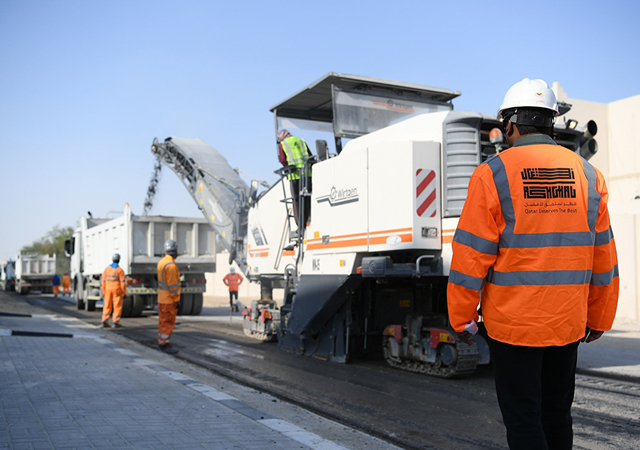
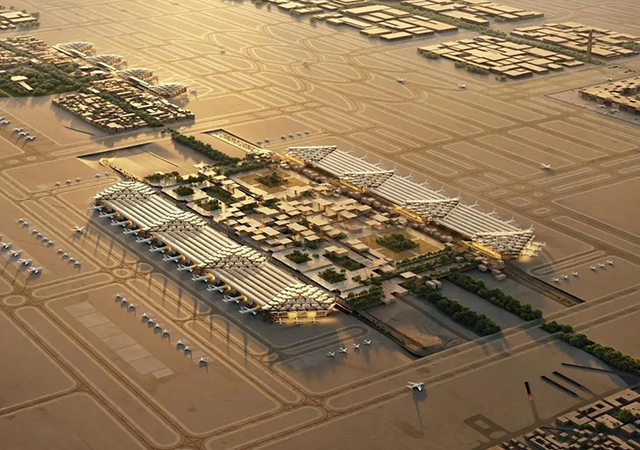
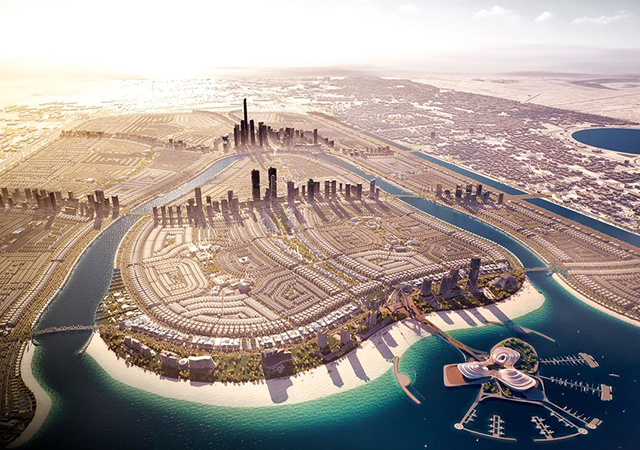
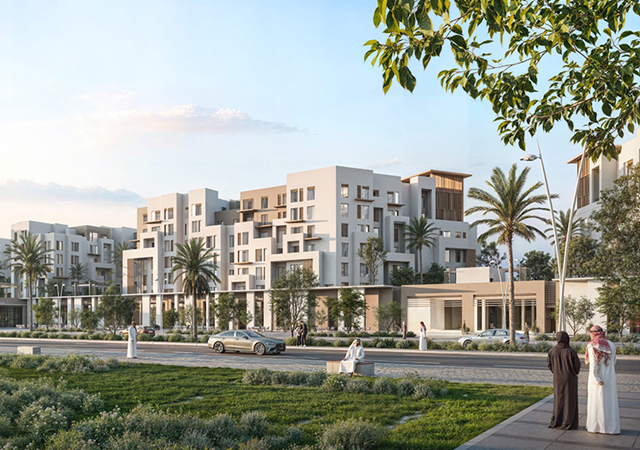
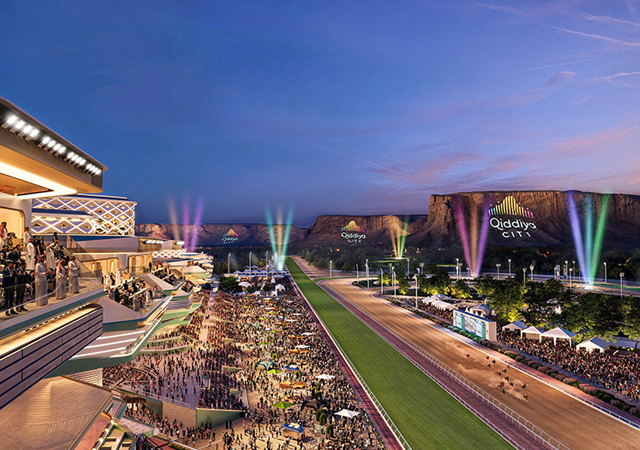
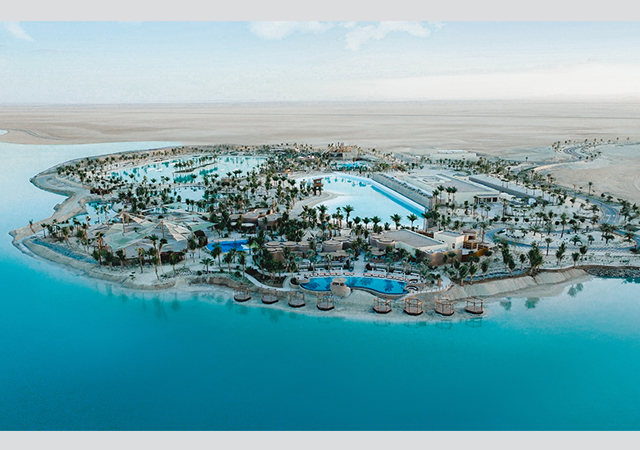
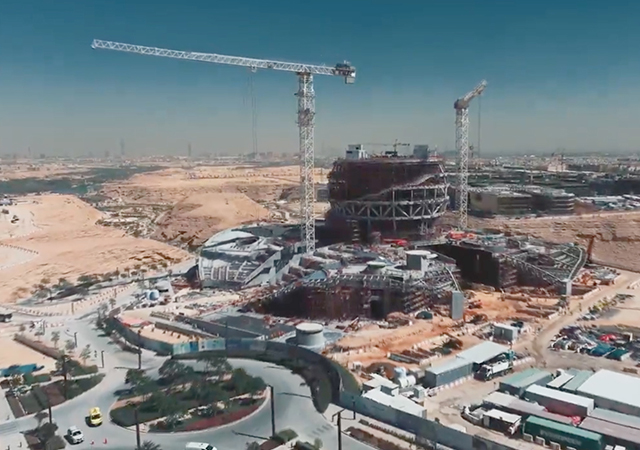
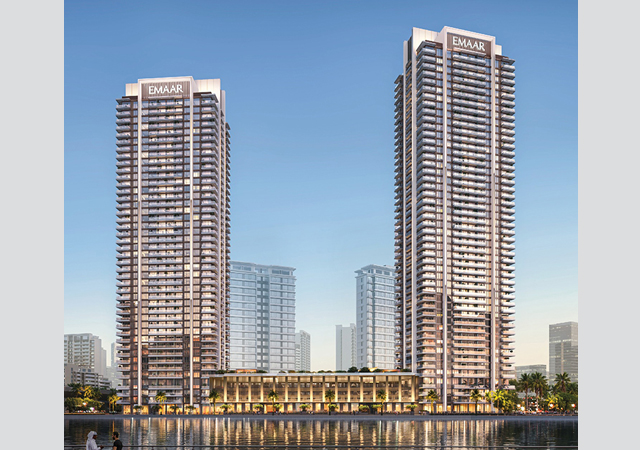
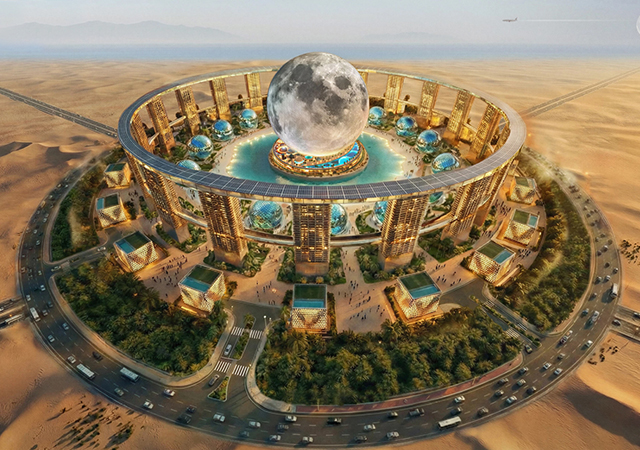
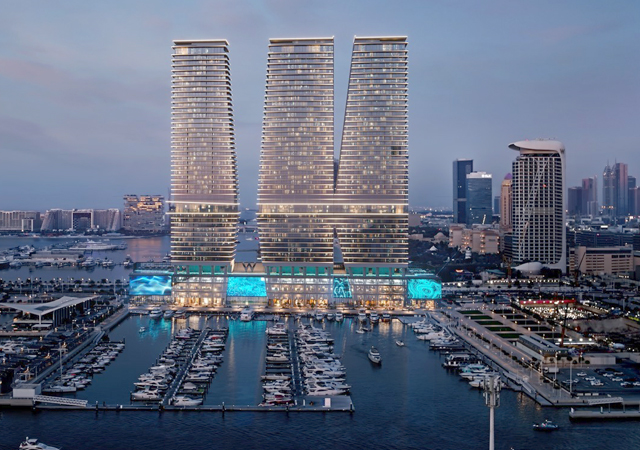
The GCC region is rapidly growing with construction booms, with mega-projects transforming skylines from Jeddah to Dubai. However, this rapid development comes with a critical challenge: balancing growth with environmental responsibility. Growth without or with very little environmental impact.
WHY SUSTAINABILITY MATTERS IN THE GCC
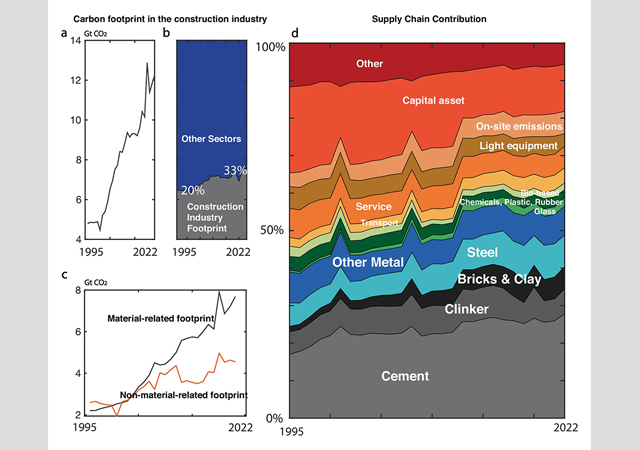
Extreme weather, limited water resources and high energy consumption are some of the factors making the construction industry to focus on smarter buildings. Globally, the traditional construction methods have contributed to significant carbon emissions and resource depletion, making the shift toward sustainability not just environmentally responsible but economically necessary.
The region’s construction sector accounts for a substantial portion of total energy consumption and carbon emissions. With temperatures regularly exceeding 45 deg C during the summer months, buildings require enormous amounts of energy for cooling. This reality, combined with ambitious national visions like Saudi Vision 2030 and UAE Net Zero 2050, has placed sustainability at the heart of the GCC’s development strategy.
KEY SUSTAINABILITY TRENDS IN GCC CONSTRUCTION
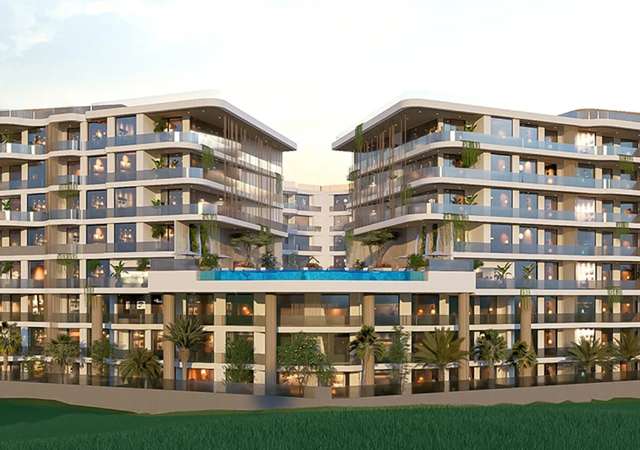
The GCC region is rapidly adopting sophisticated measures to address its unique environmental challenges, resulting in several key sustainability trends that are redefining construction practices. Across the region, developers and governments are embracing green building standards, renewable technologies, and resource-efficient design practices to balance rapid urban expansion with environmental responsibility.
Green building certifications: LEED, BREEAM, and local standards like Estidama in Abu Dhabi and MOSTADAM in Saudi Arabia are becoming mandatory for many projects. These certifications ensure buildings meet specific environmental performance criteria, from energy efficiency to water conservation. Major developments across the GCC now compete to achieve the highest sustainability ratings, viewing them as markers of quality and innovation.
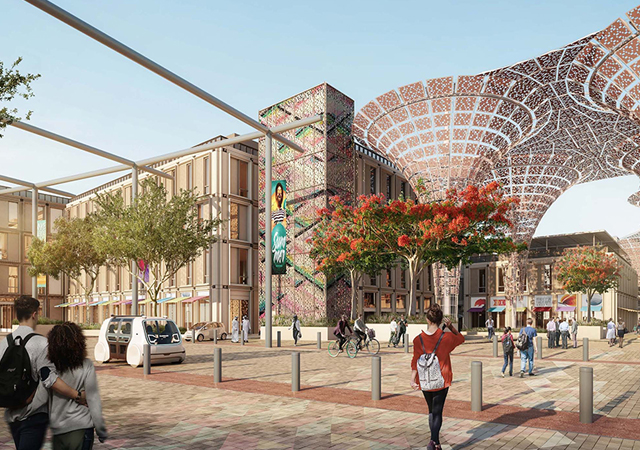
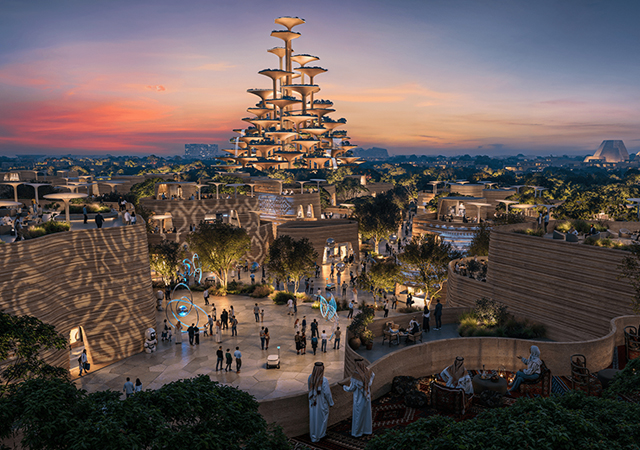
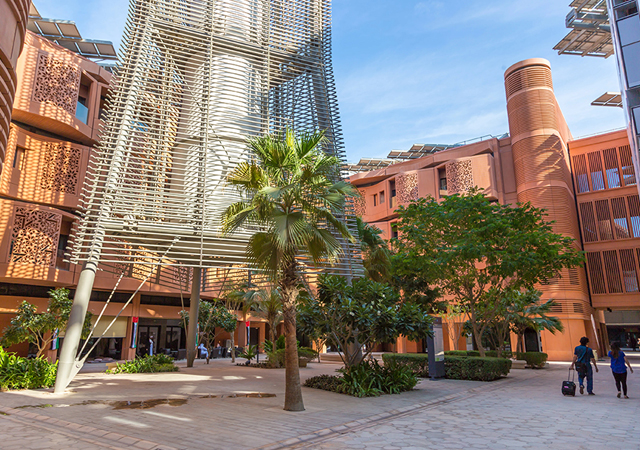
Energy-efficient design: Passive cooling techniques, solar shading, and high-performance insulation are transforming building design. Projects like Masdar City in Abu Dhabi demonstrate how traditional Arab architectural elements can be reimagined with modern technology to reduce energy consumption by up to 40 per cent compared to conventional buildings.
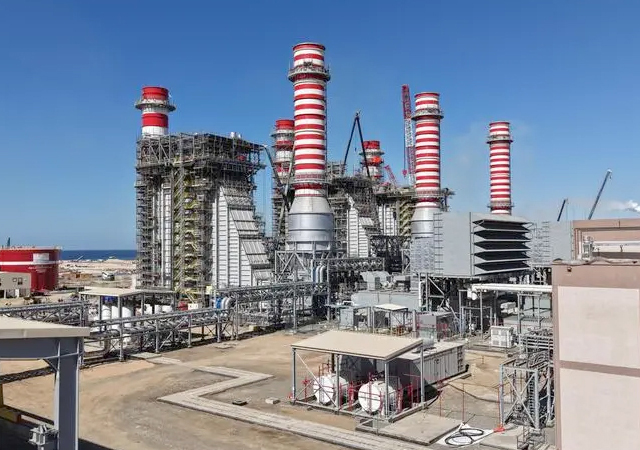
Renewable energy integration: Solar panels are increasingly becoming standard features on commercial and residential buildings. The abundant sunshine in the GCC makes solar energy a natural choice, with countries like the UAE and Saudi Arabia investing heavily in solar infrastructure that integrates directly into building design. Bahrain is advancing multiple solar energy projects, with the most significant development being a123 MWp rooftop solar plant, which is set to become the world’s largest single-site rooftop solar power plant.
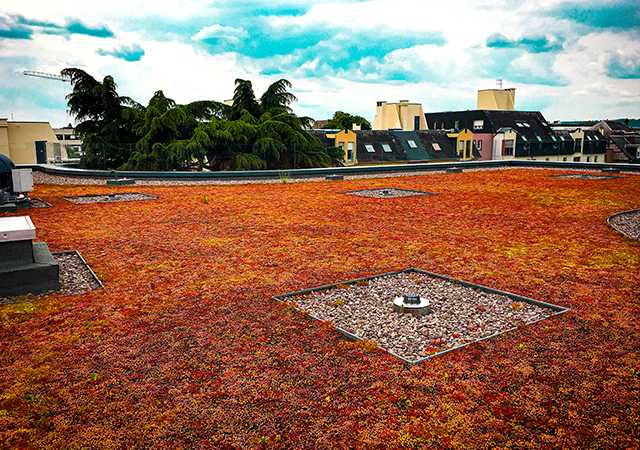
Water conservation: Given the region’s water scarcity, sustainable construction emphasises water-efficient fixtures, greywater recycling systems, and drought-resistant landscaping. These features can reduce water consumption by 30 to 50 per cent, a critical achievement in one of the world’s most water-stressed regions.
HOW SUSTAINABILITY BENEFITS THE CONSTRUCTION INDUSTRY
Sustainability is reshaping the construction industry from a strategic advantage into a business necessity. Beyond its environmental value, sustainable construction delivers tangible economic and operational benefits that strengthen long-term profitability and market standing.
• Cost savings: While sustainable buildings may require higher upfront investment, they deliver significant long-term savings. Energy-efficient systems can reduce operational costs by 20 to 40 per cent annually. In a region where cooling costs dominate utility bills, this translates to substantial savings over a building’s lifetime.
• Market competitiveness: Developers who embrace sustainability gain a competitive edge. International investors increasingly demand ESG compliance, and sustainable buildings command premium rental rates and higher property values. Green buildings in the GCC typically see five to 10 per cent higher occupancy rates compared to conventional properties.
• Regulatory compliance: Governments are implementing stricter environmental regulations and building codes. Early adopters of sustainable practices position themselves ahead of regulatory curves, avoiding costly retrofits and potential penalties while gaining favour for future projects.
• Enhanced reputation: Companies leading in sustainability build stronger brand reputations, attracting quality tenants, buyers, and investors who prioritise environmental responsibility. This reputational advantage opens doors to premium projects and international partnerships.
THE PATH FORWARD
The GCC construction industry stands at a pivotal moment. The region’s ambitious development goals align perfectly with global sustainability imperatives, creating unprecedented opportunities for innovation, requires collaboration between governments, developers, contractors, and consultants to establish clear standards, share best practices, and invest in green technologies.
The transition to sustainable construction isn’t without challenges, it requires upfront investment, specialised expertise, and cultural shifts in how we approach building design. However, the benefits far outweigh the costs. Sustainable construction protects the environment, reduces operational expenses, enhances property values, and positions the GCC as a global leader in green development.
* Deepak Magar (deepak@northstar-eco.com) is Director of Northstar Eco Consult (www.northstar-eco.com), a GCC-based advisory firm that provides consultancy services for sustainability and ESG services.
.jpg)
