








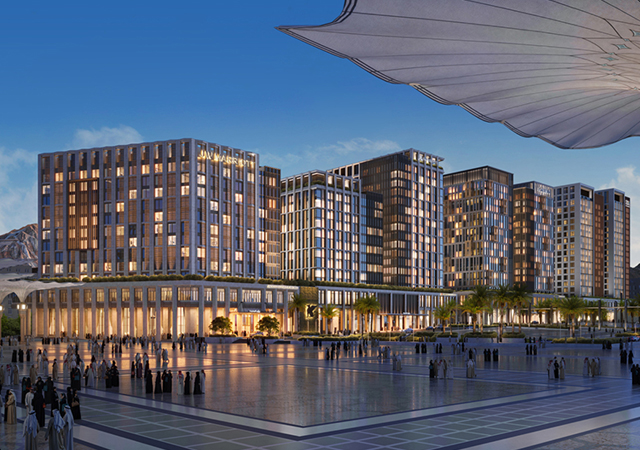
The transformation of Madinah’s central area is entering a decisive construction phase, with Superblock 5 of the Rua Al Madinah Project set to emerge as one of the most significant hospitality clusters currently under development in the kingdom.
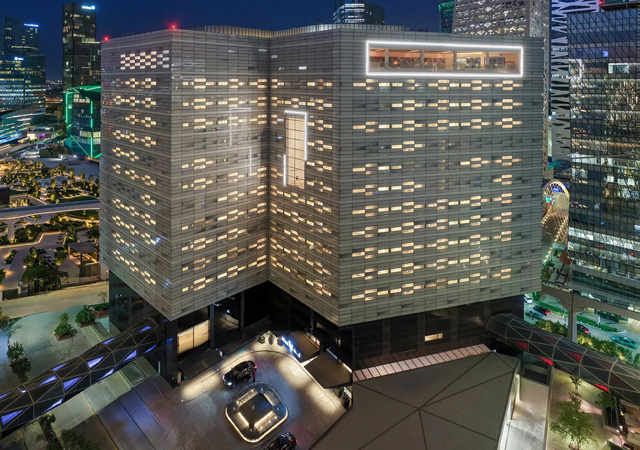
This follows the recent award of the main construction contract which is transitioning Superblock 5 from the planning and design phase into full execution. The development comprises construction of 18 hotel towers across three categories — three-star, four-star, and five-star — along with associated secondary infrastructure. The towers range in height from 11 to 21 storeys.
Positioned immediately east of Al Masjid an Nabawi, the Rua Al Madinah Project underscores Saudi Arabia’s ambition to expand capacity to accommodate the influx of visitors, elevate service quality, and redefine the pilgrim experience in line with Vision 2030 targets.
Unveiled in 2022 under the patronage of HRH Crown Prince Mohammed bin Salman, the masterplan spans 1.5 million sq m and targets the delivery of more than 47,000 hotel rooms alongside public realm improvements, transport infrastructure, and green spaces covering 63 per cent (83,000 sq m) of the total site area. At its heart is a single ambition: to accommodate up to 30 million Umrah pilgrims annually by 2030.
Rua Al Madinah Holding, a wholly-owned subsidiary of the Public Investment Fund (PIF), was established to deliver on this mandate. Its remit extends beyond hospitality, encompassing the cultural, commercial, and urban infrastructure needed to redefine Madinah as a globally competitive religious tourism destination.
Within this framework, Superblock 5 is emerging as one of the programme’s most operationally significant packages, both in terms of scale and timeline urgency.
The scope of Superblock 5 is substantial in scale and complexity. The package comprises the construction of hotel towers which collectively house 10 internationally branded hotels managed by three major global hospitality giants, namely Marriott International, Accor, and Hyatt Hotels Corporation, including:
• JW Marriott (five-star, 252 rooms)
• Marriott (five-star, 450 rooms)
• Le Méridien (five-star, 533 rooms)
• Four Points by Sheraton (four-star, 777 rooms)
• Novotel (four-star, 328 rooms)
• Swissôtel (five-star, 466 rooms)
• Fairmont (five-star, 142 rooms plus 120 residential units)
• Grand Hyatt (five-star - 330 rooms)
• Hyatt Regency (five-star, 539 rooms)
• Hyatt Place (four-star, 860 rooms).
Collectively, these assets will deliver a diverse hospitality offering tailored to a wide demographic of pilgrims, from luxury travellers to mid-scale visitors, while integrating retail, meeting facilities, and recreational amenities.
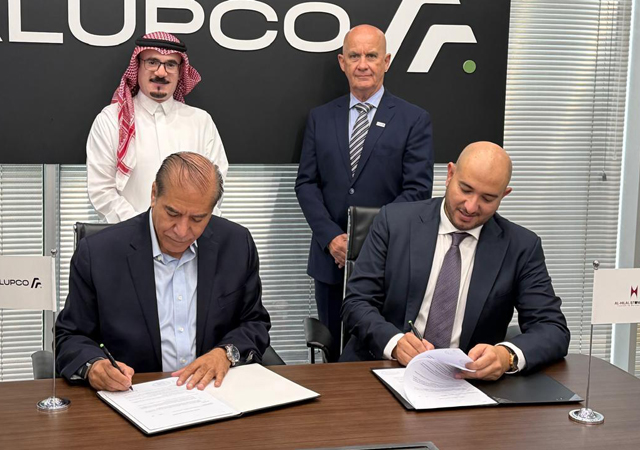
The contract, valued at SAR 8 billion ($2.1 billion), was awarded to China Railway 18th Bureau Group, according to a MEED report.
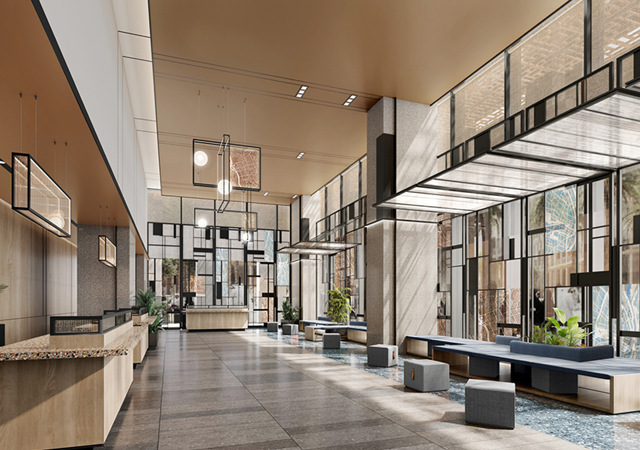 Perkins Eastman is responsible for the design of four Marriott-branded hotels which include 2,011 guest rooms, retail outlets, meeting facilities, and recreational amenities.
Superblock 5 forms the first phase of the project and aims to rapidly boost hotel inventory within walking distance of the Prophet’s Mosque. With over 8,000 keys across multiple brands, Superblock 5 is expected to be among the most densely programmed zones within the entire development.
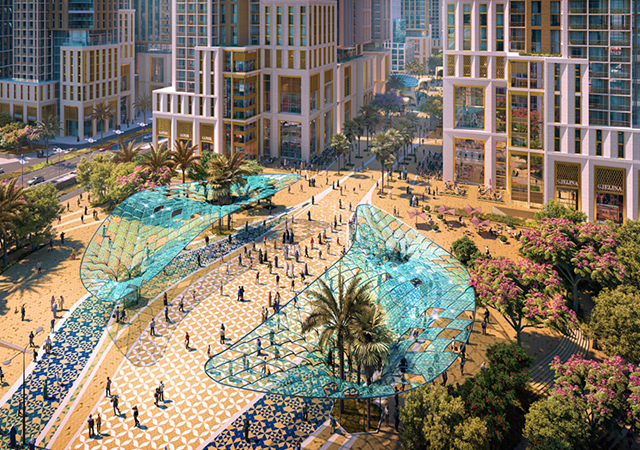
In addition to vertical construction, the development includes extensive podiums, basements, and public realm works, creating a highly interconnected urban fabric. Pedestrian corridors and landscaped pathways are being carefully designed to streamline movement flows between the Prophet’s Mosque and the hotels.
Construction Metrics and Engineering Scale
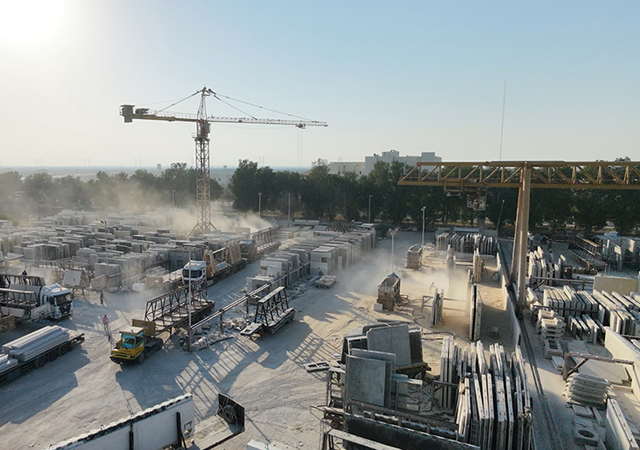
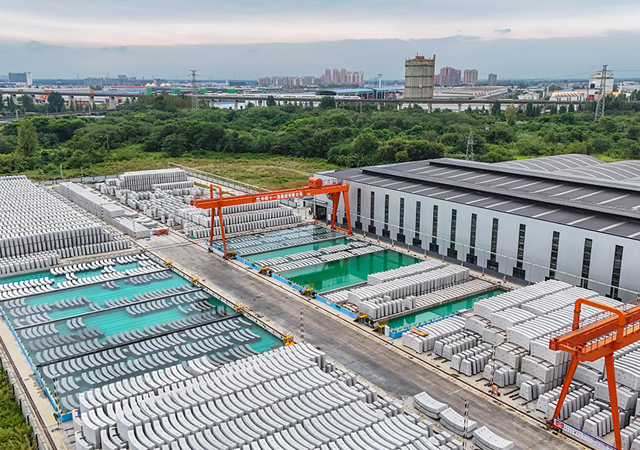
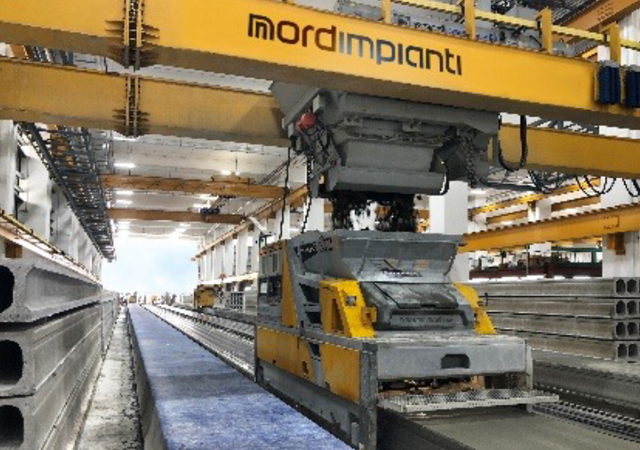
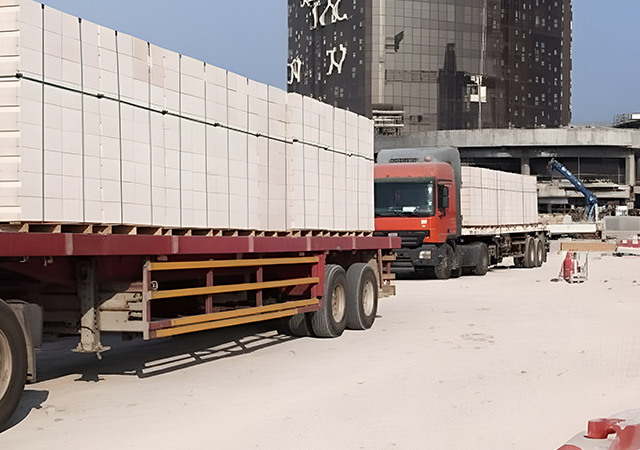
The sheer volume of construction materials required for Superblock 5 reflects its mega-project status. As per Rua Al Madinah estimates, Superblock 5 will require 430,000 cu m of concrete, 875,000 sq m of blockwork, 423,000 sq m of drywall systems, 74,000 tonnes of steel rebar, 215,000 sq m of tiles, and 228,000 sq m of facades, curtain-walls and windows.
Contracting and Delivery Structure
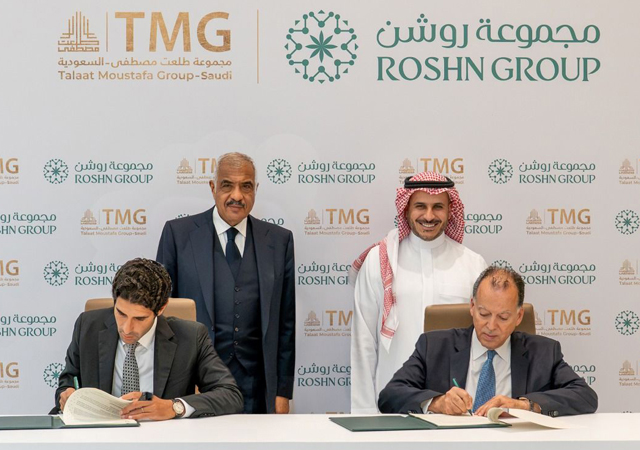
Ground engineering works were awarded separately, with Ammico, a regional leader in specialist geotechnical and marine works, responsible for implementing ground improvement solutions across the site. Its scope includes the installation of rigid inclusions beneath raft foundations for all 18 towers, covering approximately 42,000 sq m. This technique is critical in enhancing soil-bearing capacity and mitigating settlement risks, particularly given the density and verticality of the structures.
On the consultancy front, a multi-layered international team has been assembled. Middle East-based full-service architecture, engineering, and project management (AEP/PMCM) consultancy KEO International Consultants is overseeing project implementation, while US-based Jacobs has been engaged to provide design services across multiple hotel assets within the broader development.
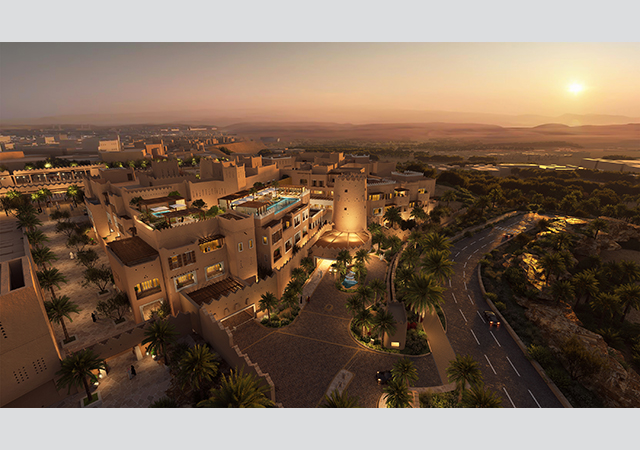
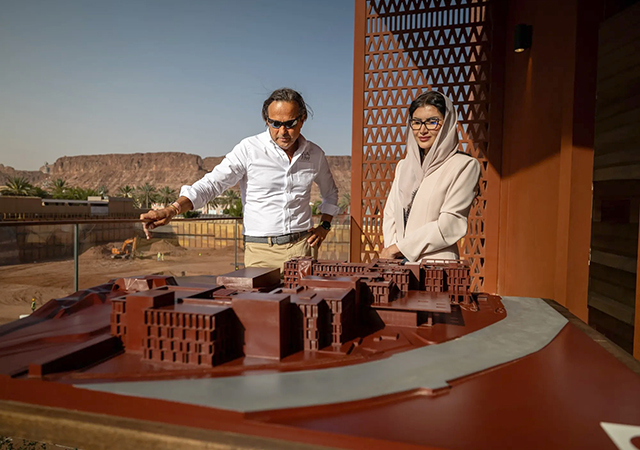
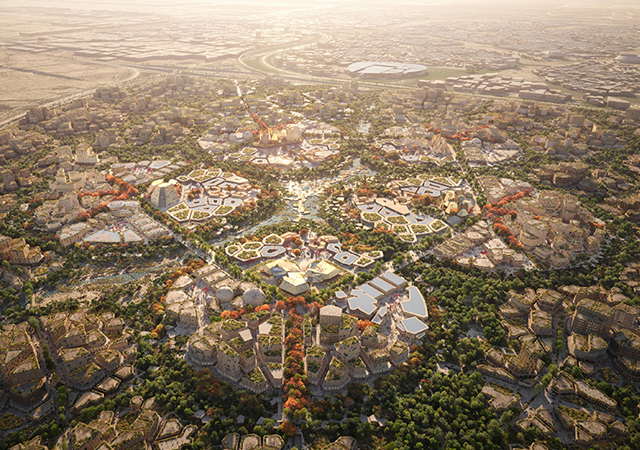
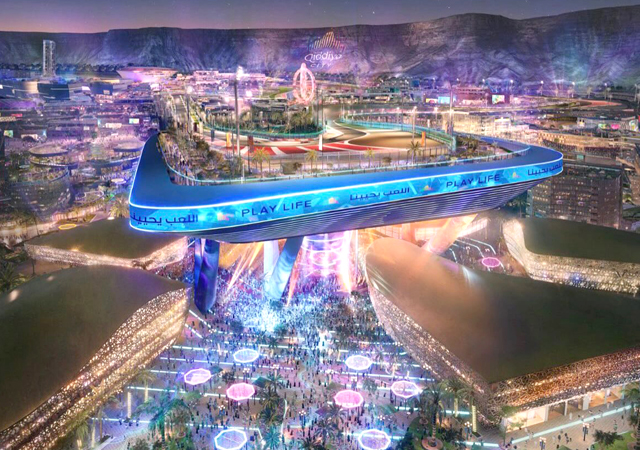
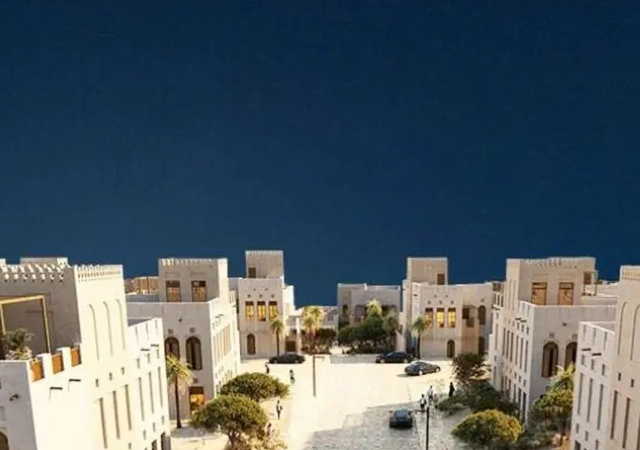
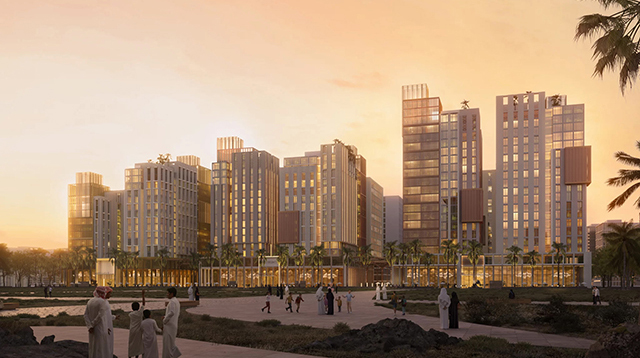 Rua Al Madinah Project aims to provide a rich lifestyle with a spiritual atmosphere.
The project’s design leadership includes Hong Kong-based P&T Group as lead consultant, which is responsible for the full design of the public realm and basement, five towers, the structural design of all 18 towers, the pre-concept design and for the coordinating consultant role between the design parties.
The other consultants working on Superblock 5 include US-based Perkins Eastman and Singapore-based Meinhardt, which provides structural and MEP consultancy services.
Perkins Eastman is responsible for the design of four Marriott-branded hotels which include 2,011 guest rooms, retail outlets, meeting facilities, and recreational amenities, as well as landscaped pedestrian corridors that direct traffic to, and from, the world-renowned pilgrimage site.
Meanwhile, Parsons is managing infrastructure works across the wider Rua Al Madinah project, including tunnels, roads, and utilities, ensuring that Superblock 5 is supported by robust enabling infrastructure.
In 2021, US-based Hill International was awarded a contract for the project management of road works at the Medina Central Area.
Architectural and Urban Design Approach
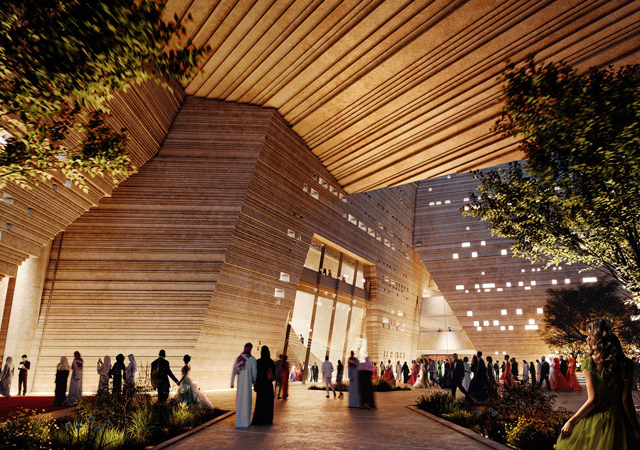
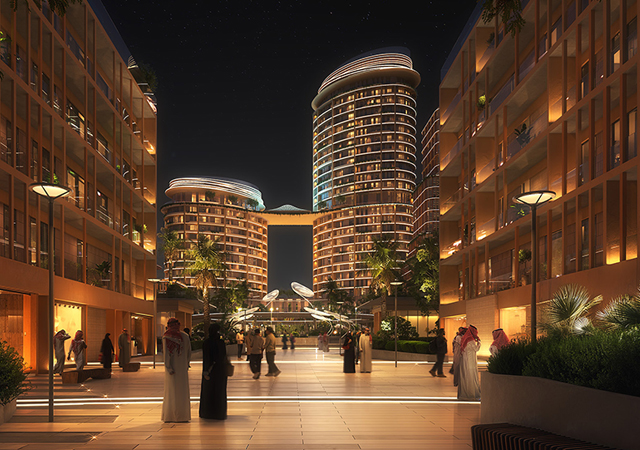
Architecturally, Superblock 5 adopts a contemporary reinterpretation of Hijazi design principles, blending regional identity with international hospitality standards. The buildings are arranged as a cohesive ensemble of linear bars and tower elements, maintaining visual continuity while allowing individual hotel brands to express distinct identities through façade articulation.
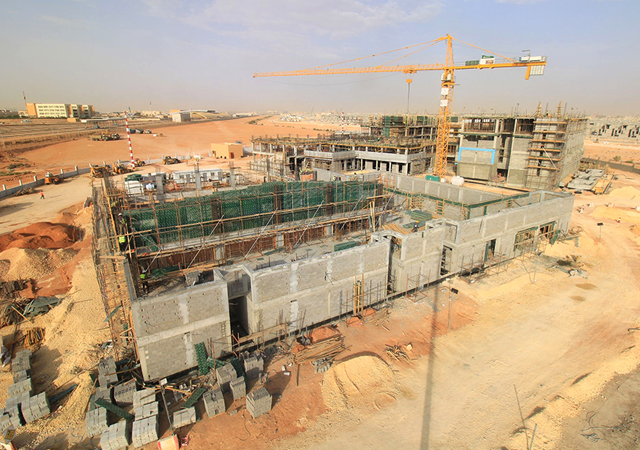
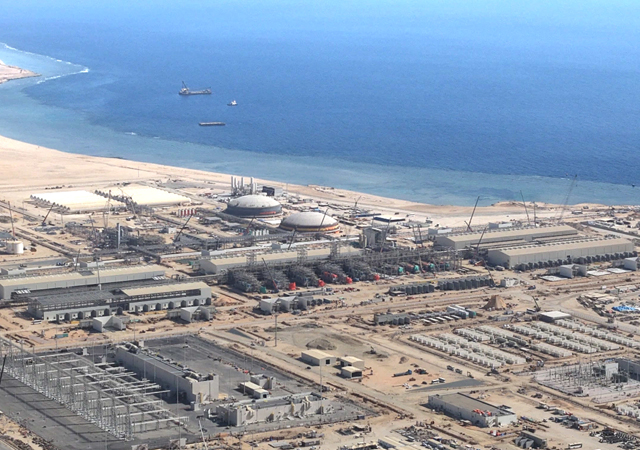
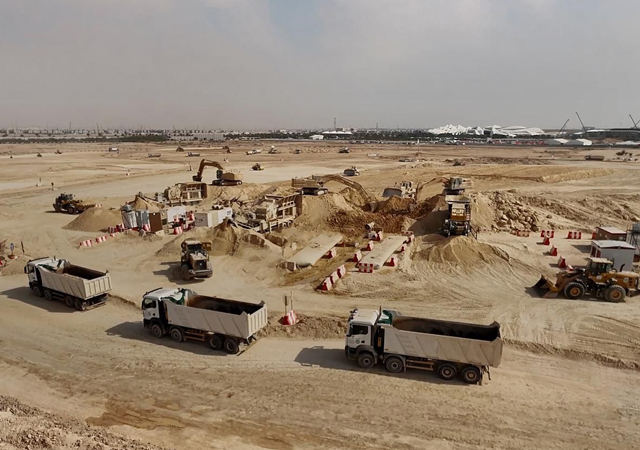
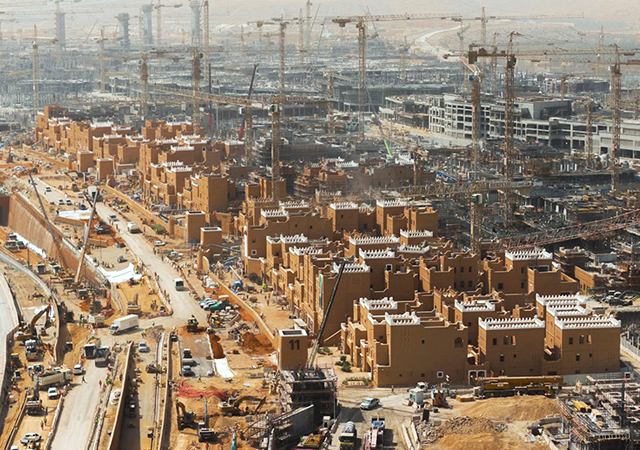
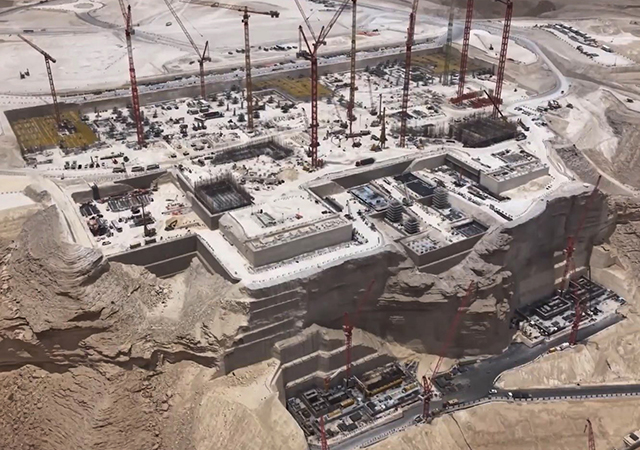
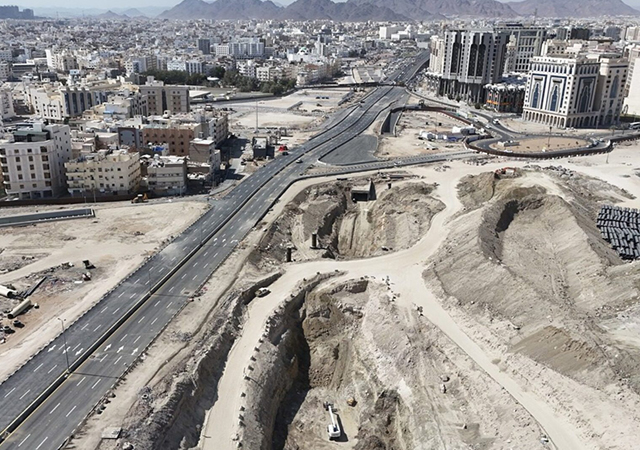 Infrastructure advance package works carried out in the Madinah Central Area.
The design responds sensitively to its context, particularly the adjacent expansion of the Prophet’s Mosque. Building heights, massing, and sightlines have been carefully calibrated to respect the spiritual and visual prominence of the Prophet’s while maximising room counts and operational efficiency.
A key feature of the development is its emphasis on pedestrian-first planning. Landscaped corridors, shaded walkways, and intuitive circulation routes are being integrated to manage large volumes of foot traffic, particularly during peak pilgrimage seasons such as Ramadan and Hajj.
Infrastructure and Mobility Integration
Superblock 5 is embedded within a broader mobility strategy that will include metro connectivity, bus networks, tracks for self-driving vehicles, and underground parking. The masterplan incorporates nine bus stops, a dedicated metro station, and extensive underground parking facilities, all designed to minimise congestion and enhance accessibility.