










Qatar’s construction sector is holding firm in 2026 despite the regional geopolitical scenario and softer property sentiment, as the country focuses on its Third National Development Strategy (NDS3) to diversify away from hydrocarbons. Public works spending, a deep pipeline of energy-related contracts and steady population growth are keeping cranes turning across Doha, even as some segments show signs of a pause.
The construction sector grew 6.2 per cent year-on-year in the first quarter of 2026, contributing QAR1.37 billion ($368 million), or 1.2 percentage points, to growth in real non-hydrocarbon GDP, according to National Planning Council data. The wider non-hydrocarbon economy expanded 3.5 per cent year-on-year in the same period, which authorities have described as evidence of economic resilience despite regional escalation that has disrupted trade routes, raised transport and insurance costs and pressured global supply chains.
Construction’s contribution to output has been broadly consistent through the past year. Independent market analysts now put the size of Qatar’s construction industry at around $54.5 billion in 2026, projecting it to reach roughly $66.7 billion by 2031, a compound annual growth rate of about 4.1 per cent, led by infrastructure and liquefied natural gas (LNG) mega-projects. Public funding continues to dominate activity, accounting for the large majority of construction spend, while private participation is rising gradually as Qatar’s public-private partnership (PPP) framework matures. Doha remains the epicentre of activity, though secondary hubs such as Al Wakrah are expanding.
KEY DRIVERS
Qatar’s construction pipeline is being shaped by several interlocking forces this year.
The first is the state’s own infrastructure roadmap, bolstered by fresh public and private investment commitments. With $85 billion allocated through Qatar’s Third National Development Strategy until 2030, the infrastructure sector is set for major growth, according to a Research and Markets report. The state is doubling down on domestic development with roughly $61 billion of new infrastructure, real estate and hospitality investment over the next five years. Approximately $38.5 billion in new infrastructure projects are expected to be awarded, including public-private partnerships. Additionally, a separate real estate and hospitality pipeline is expected to attract $22.5 billion in private investment, Prime Minister Sheikh Mohammed bin Abdulrahman Al Thani said at the Qatar Economic Forum in New York last month, according to a Bloomberg report.
To support these ambitions, accelerate value creation, and deepen private-sector participation, Qatar has established a dedicated platform, Doha Investment, to manage and expand the Qatar Investment Authority’s (QIA) domestic portfolio, worth hundreds of billions of dollars.
On the public works front, projects include the Public Works Authority’s (Ashghal) Major Expressway Programme, facilitating opportunities across transport, sanitation, and public facilities. Ashghal is executing a five-year, QAR81-billion programme running through 2029, covering roads, drainage, public buildings, and utilities. Early this year, the authority awarded 12 new projects worth more than QAR4.5 billion, including redevelopment of Hamad General Hospital and a new postal building in Al Thumama, while a further package of tenders worth around QAR7 billion is in the pipeline. Ashghal’s President Eng. Mohammed bin Abdulaziz Al-Meer said the authority’s current active portfolio comprises 20 projects worth over QAR11.5 billion, part of a broader plan that spans 67 projects for 2026 across buildings, highways, roads, water, and drainage.
The second driver is Qatar’s LNG expansion strategy, which remains the single largest source of downstream construction demand, even as it has become entangled with regional security risk. QatarEnergy’s North Field expansion – comprising the North Field East, South and West phases – is designed to lift the country’s LNG production capacity from 77 million tonnes per annum (mtpa) to as much as 142 mtpa by the end of the decade.
That commitment, however, is proceeding under considerably more difficult conditions than a year ago. Since the outbreak of the Iran-linked conflict in the Gulf in early 2026, Qatar’s energy infrastructure has come under direct attack, including significant damage to two LNG trains. All LNG expansion projects in Qatar have reportedly been delayed by at least 12 months as a result.
A third driver is demographic and urban growth. Qatar’s population has passed three million, sustaining demand for housing, schools and municipal infrastructure even as the property market recalibrates.
HOUSING
Residential construction remains anchored by Ashghal’s infrastructure-led approach rather than direct homebuilding, with the authority developing serviced land for over 5,500 residential plots under new PPP arrangements, including internal road networks and utility connections. Housing starts hit roughly 35,000 units in the most recent full-year count available, exceeding government targets, though newer residential supply is increasingly concentrated in master-planned communities.
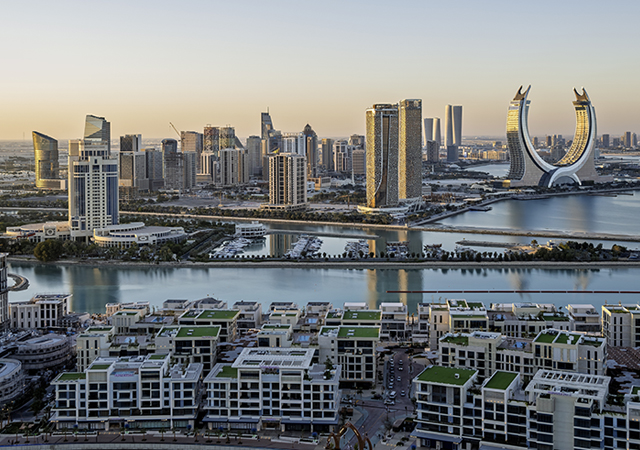
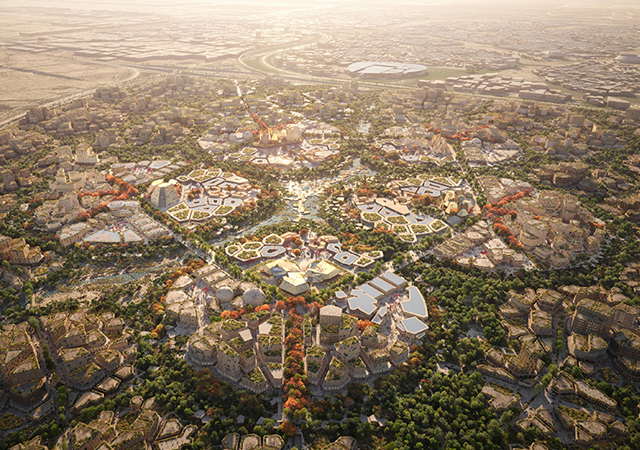
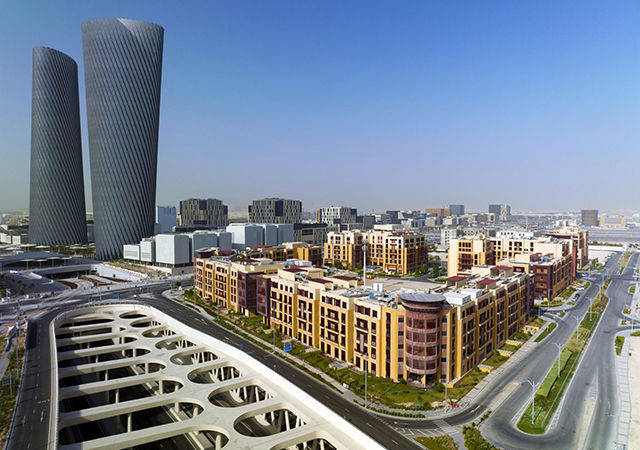
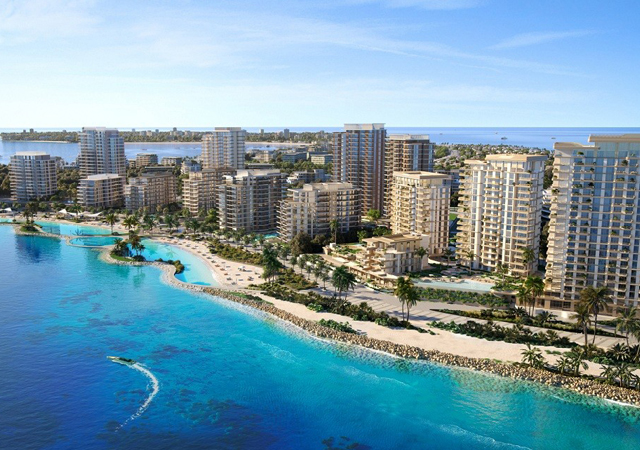
Lusail City remains the country’s flagship urban housing project, with activity worth an estimated QAR250 billion in the pipeline.
Lusail City remains the country’s flagship urban housing project, with construction activity worth an estimated QAR250 billion still in the pipeline across a 38-sq-km site designed to eventually house 450,000 residents and 250,000 workers. US-based Parsons is delivering programme management, construction management and construction supervision (PMCMCS) services for the master-planned city north of Doha (see separate article).
Individual districts within Lusail continue to reach completion in phases, sustaining contractor activity even as the wider city’s build-out timeline extends into the next decade.
POWER & WATER
Utilities investment remains one of the segments that is more insulated from regional volatility, driven by Qatar’s need to secure long-term power and water supply independent of near-term hydrocarbon market swings. The centrepiece project is the Facility E Independent Water and Power Project (IWPP) at Ras Abu Fontas, a $3.7-billion scheme backed by Kahramaa, QatarEnergy, Qatar Electricity and Water Company and a Sumitomo-led consortium.
Facility E IWPP, located approximately 25 km south of Doha, will deliver 2,400 MW of generation capacity – about 23 per cent of national grid capacity – alongside 495,000 tonnes per day of desalinated water, roughly a fifth of the country’s potable water supply. Samsung C&T is executing the EPC contract, with Mitsubishi Power supplying hydrogen-ready gas turbines. The first 836 MW phase is targeted for commercial operation in 2028, with full commissioning expected by mid-2029 and desalination units coming online by August 2028.
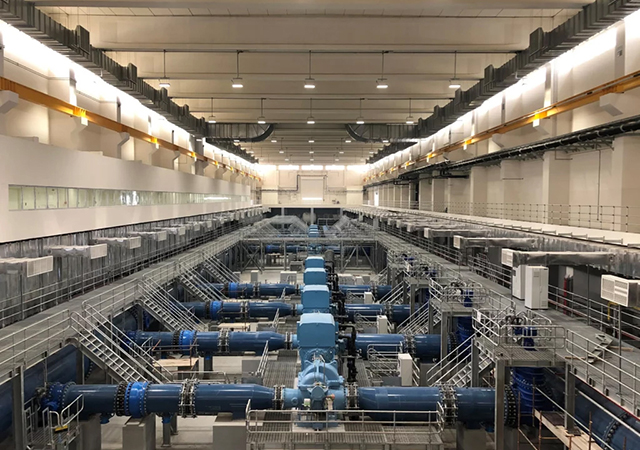
Mega Reservoirs Project ... GKW Consult is the project management consultant.
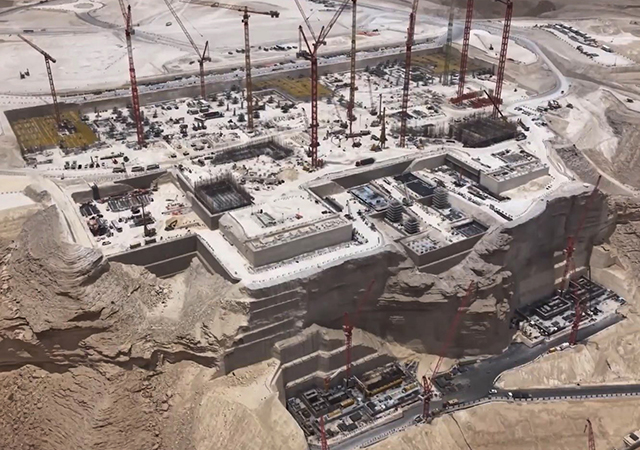
Kahramaa is separately advancing its Mega Reservoirs Project, intended to extend Qatar’s potable water storage buffer from roughly 48 hours to seven days of supply by building five mega reservoir sites around the greater Doha area, with a second phase planned to cover demand projected for 2036. Tractebel GKW (now GKW Consult) in partnership with Energoprojekt-Entel is the project management consultant (PMC) for this strategic project.
The water security mega reservoir project is one of the largest of its kind in the world and will increase water storage capacity by 10 times. The new mega reservoirs are being built along with integrated pumping stations including more than 650 km of interconnecting water pipelines.
The utility is also piloting an aquifer storage recovery scheme using desalinated water for emergency groundwater reserves, alongside continued rollout of smart water metering to curb network losses.
OIL & GAS
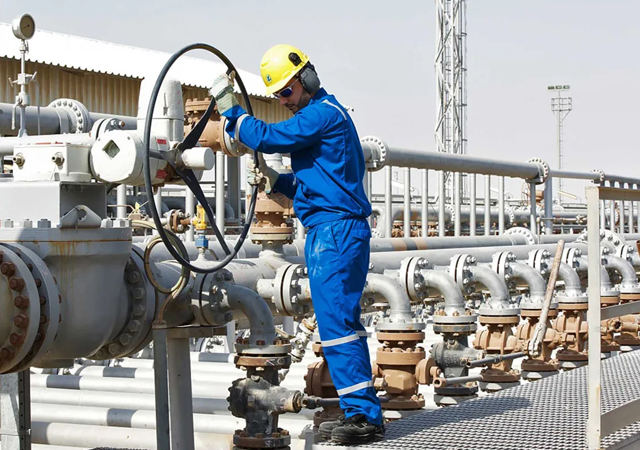
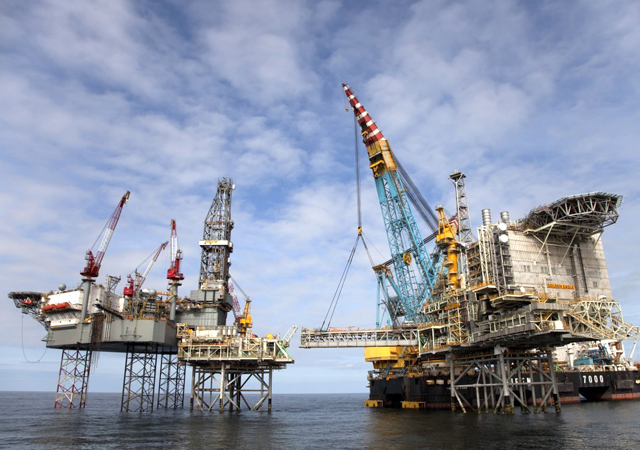
The oil and gas segment remains Qatar’s largest single generator of construction and EPC contract value, but 2026 has been defined as much by damage repair and risk management as by expansion. Last month China National Offshore Oil Engineering (COOEC) began work on the $4-billion Bul Hanine EPIC project, its largest international offshore project to date.
Developed by QatarEnergy, the project will involve more than 60 offshore oil and gas facilities, 40 subsea pipelines and cables, modifications to existing platforms, and the removal of obsolete structures. COOEC will manage the full engineering, procurement, fabrication, transportation, installation and commissioning scope, using more than 130,000 tonnes of steel and digital modelling technologies.
QatarEnergy’s North Field programme continues to progress on paper; the North Field East and South phases are expected to add a combined 48 mtpa of capacity.
Alongside North Field, QatarEnergy is also pressing ahead with the $6-billion Ras Laffan Petrochemical Complex, a joint venture with Chevron Phillips Chemical featuring the Middle East’s largest ethane cracker, with 2.1 million tonnes per year of ethylene capacity and two polyethylene trains adding a further 1.68 million tonnes per year of high-density polyethylene output. The foundation stone for the project was laid in February 2024.
REAL ESTATE
Qatar’s real estate sector demonstrated underlying resilience in Q2 2026, weathering regional geopolitical pressures even as rental performance softened across most asset classes, according to the latest ValuStrat Price Index (VPI) data.
Residential capital values held broadly steady, with the Residential VPI at 97.8 points (-0.2 per cent QoQ). Transaction activity, however, surged: sales volumes climbed 23.6 per cent quarter-on-quarter (up 15.8 per cent YoY) to 755 deals, with median ticket sizes rising to QAR3 million. Mortgage values jumped 61 per cent YoY to QAR16 billion, pointing to strong buyer confidence. Total residential stock reached 406,097 units after 355 apartment completions in Q2, with roughly 4,600 units due in H2 2026 – though over 600 units in Lusail have slipped to 2027.
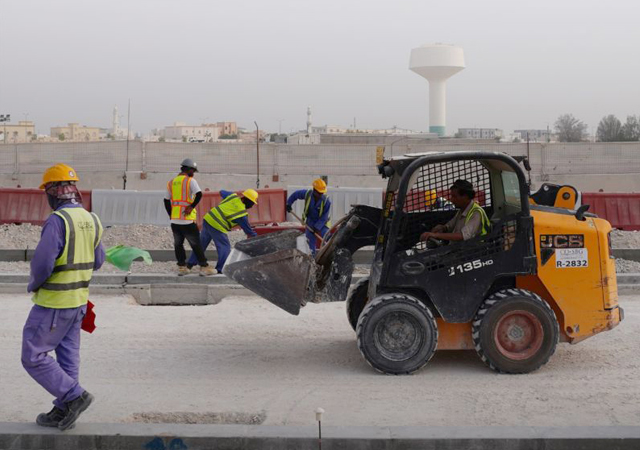
Paving works are underway on Al Ashjar Street, as part of Ashghal’s roads and infrastructure project in Bu Sidra and Fereej Al Manaseer.
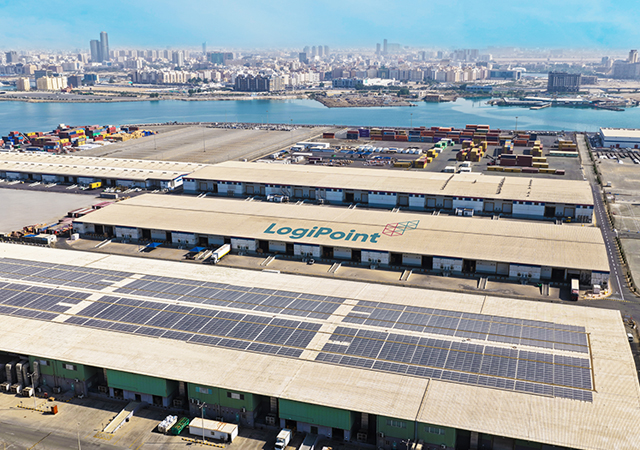
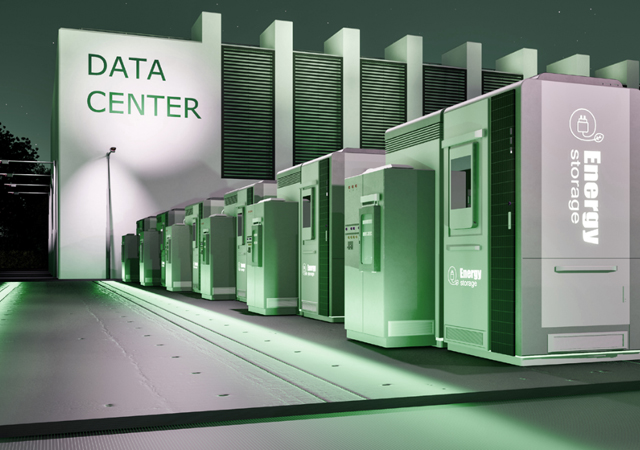
Industrial and logistics remained the market’s steadiest performer, the report stated. Qatar’s digital infrastructure build-out gathered further pace this quarter. Meeza, the country’s leading data centre and managed IT services provider, signed the largest contract in its history last month – a long-term leasing agreement worth more than QAR1 billion with a global hyperscale cloud provider. The deal delivers 8 MW of data centre capacity to support the hyperscaler’s cloud and AI workloads, and forms part of Meeza’s stated plan to quadruple its current capacity in line with Qatar National Vision 2030 and the Qatar Digital Agenda 2030.
The agreement builds on Meeza’s sixth data centre, an estimated $250-million facility currently under development to support hyperscale cloud computing and AI workloads. Together, the two projects underscore sustained hyperscaler and investor confidence in Qatar’s ambitions to become a regional hub for digital infrastructure.
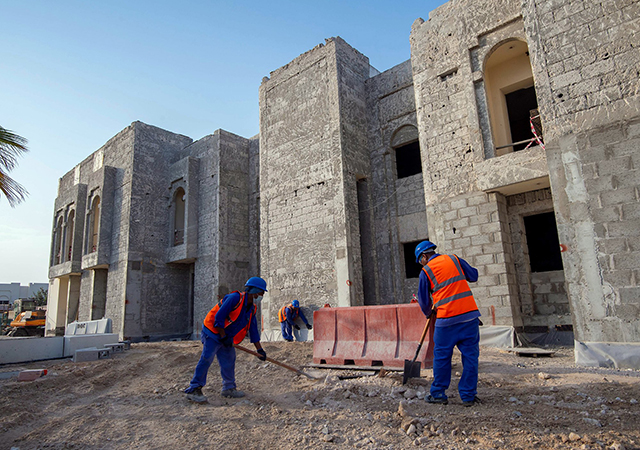
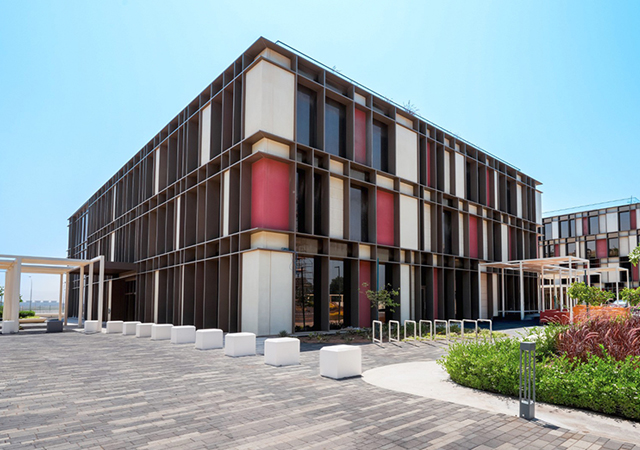
Qatar Aeronautical Academy ... a major project by Ashghal.
Meanwhile, Ministry of Justice data show total real estate transactions of QAR9.2 billion in the first quarter, up 28.5 per cent year-on-year, pointing to continued liquidity even as buyers grow more selective.
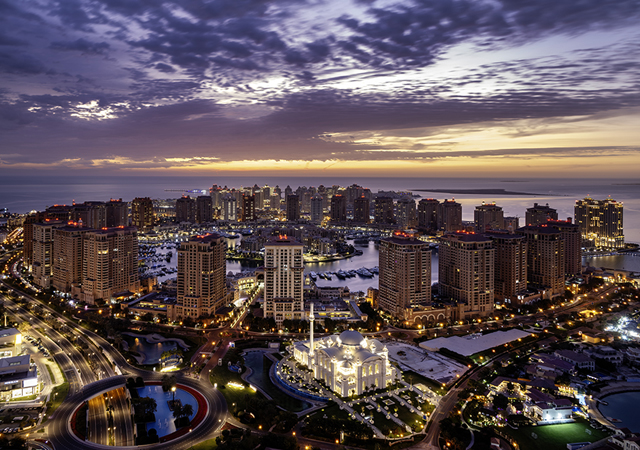
Analysts describe the market as maturing rather than overheating, with demand concentrating in well-located assets such as Lusail, West Bay and The Pearl, while prices for villas and apartments have softened slightly amid rising supply.
New real estate regulations covering brokerage, registration and foreign ownership, alongside a residency-for-investment scheme tied to property purchases above QAR730,000, continue to underpin longer-term confidence in the sector.