









































With Qatar's major transport network largely in place, Parsons is turning its attention to the next wave of construction. The US-based engineering and project management consultancy, which has been present in the country for almost 25 years, is applying its delivery experience to housing, healthcare, community infrastructure and the long-term care of the assets the country has built over the past decade.
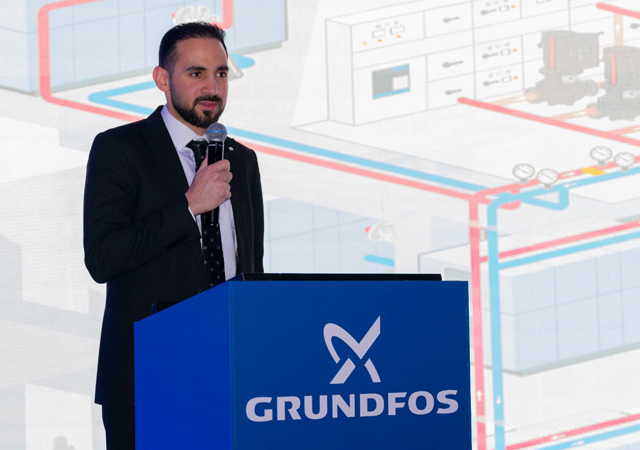
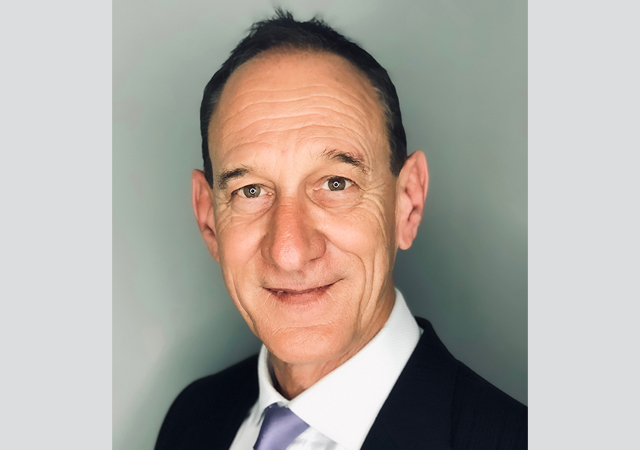
"Our strategy remains centred on long-term partnership, technical excellence, and alignment with national priorities," Ahmed Al Essnawi, Vice President and Country Manager – Qatar, tells Gulf Construction.
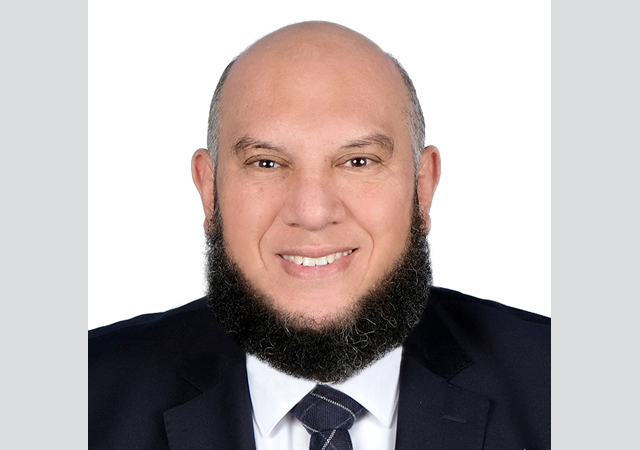
Essnawi ... “Our strategy remains centred on long-term partnership”.
Parsons has delivered more than 110 projects in Qatar, primarily in transportation. Its Qatar workforce exceeded 1,200 professionals at the end of 2025, and a new Doha office opened in January 2026. The services it offers cover feasibility studies, design, client advisory, construction management and project management.
The Qatar team draws on 80 years of global experience, design studios and technical expertise from a worldwide organisation of more than 20,000 employees.
“We were ranked No. 1 Project Management Consultant (PMC) by Engineering News Record in 2025 and I believe, in large part, our approach to knowledge sharing across the organisation was helped us obtain that title,” Al Essnawi says. “Our services in Qatar have steadily expanded to include feasibility studies, design, client advisory support, construction management, and project management. This integrated offering has defined our role in Qatar for more than two decades and continues to guide our strategy today.”
A portfolio built on Qatar's landmark schemes
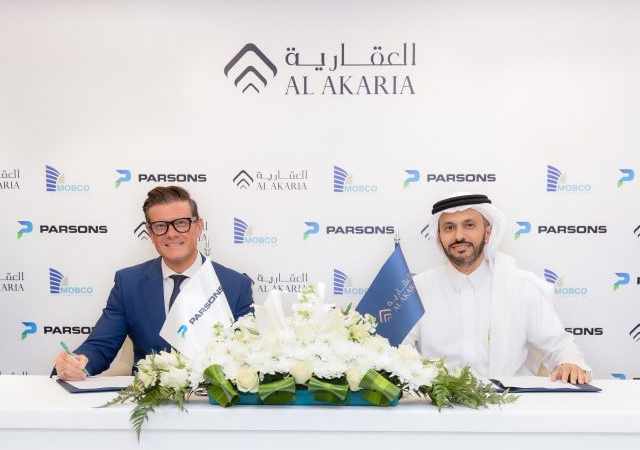
Parsons' clients span government, semi-government and private sectors. They include the Public Works Authority (Ashghal), Qatari Diar, Qatar Foundation and Qatar Rail, and United Development Company (UDC), with whom the company has recently started work.
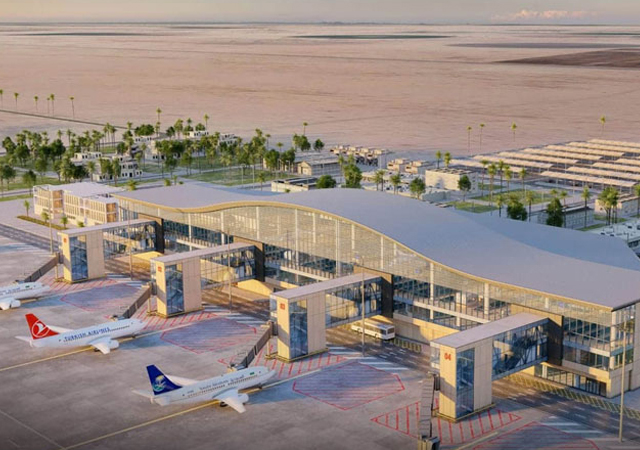
In the roads sector, Parsons has contributed to nearly all of the country's major highway projects, including Al Khor Expressway, Central Doha improvements and the ring road network. It has been project management consultant to Qatari Diar for almost 20 years, has played a central role in delivering Qatar Rail's metro lines and works with Qatar Foundation on infrastructure integration across Education City.

Parsons has delivered more than 110 projects in Qatar, primarily in transportation.
The 2022 FIFA World Cup is a defining milestone. Working alongside Ashghal as transportation consultant, Parsons supported the planning and delivery of mobility solutions during a period of exceptional demand. When Doha Corniche, one of the city's main arteries, was temporarily closed, traffic kept moving thanks to advance planning, real-time monitoring and round-the-clock coordination from traffic-control centres, he says.
Parsons also supported Lusail Real Estate Development Company, a subsidiary of Qatari Diar, in delivering Seef Lusail, a mixed-use smart city on the northern edge of the Lusail Waterfront. It now offers more than 600,000 sq m of retail space, alongside hotels, residences and entertainment, recreational and cultural facilities.
From new build to asset value
Diversification is central to Parsons' strategy, Al Essnawi says. Alongside transport, Qatar places greater emphasis on urban development, including housing, healthcare and community infrastructure. Parsons continues to support new school and housing programmes, including projects delivered through public-private partnership (PPP) models.
Operations and maintenance (O&M) is the other big shift. Demand for O&M services is rising as owners look to protect what has been built. "Given the scale of assets delivered, this phase is essential to protect long term value," Al Essnawi says.
Interest in advanced manufacturing and digital infrastructure is also growing. Parsons already supports clients in these areas globally, and Al Essnawi says he looks forward to seeing how they come to life in Qatar.
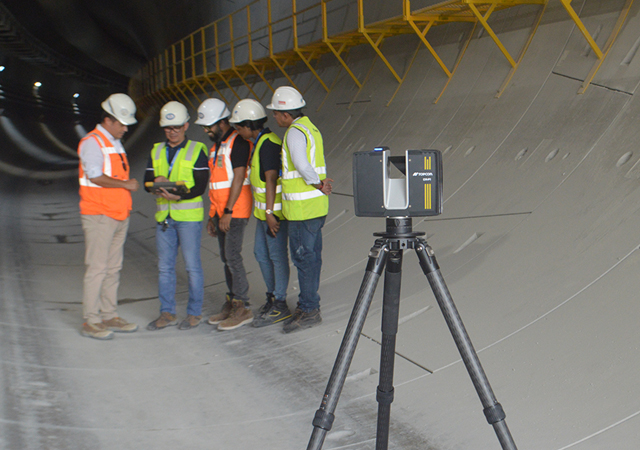
Technology is a core pillar of Parsons' operations, and the company transfers solutions from its global platforms to Qatari projects. Digital tools across design and construction management cut manual processes on site, improve accuracy and support decision-making, letting project teams and senior management monitor progress remotely. AI supports scheduling, risk management and quality control, improving efficiency and resource use.
Intelligent transport systems remain a key strength. Parsons deploys proprietary technology such as iNET, widely used in major US cities, and passes that expertise to local teams. The World Cup experience is now a reference point for its long-term traffic management approach in Qatar, Al Essnawi says.
Parsons is also bringing its global PPP experience to Qatar. Regional markets such as Dubai and Abu Dhabi have used these models for years, Al Essnawi notes, and Parsons is applying that experience in Qatar, supporting both public sector clients and private investors. It is currently involved in several PPP initiatives across the country.
The objective is to structure projects effectively and deliver long-term value, while keeping technical standards consistent across different delivery structures.
Local delivery, global backing
Asked how Parsons can help Qatar strengthen its standing amid competition from neighbouring markets, Al Essnawi points to its mix of local presence and global reach.
“Our experienced local team is deeply connected to our global network of more than 20,000 professionals,” he says. “Our international capabilities allow us to support clients in Qatar in a way that few organisations can. Our focus has been on transferring international best practices while tailoring solutions to local needs. As Qatar expands its focus beyond transportation into sectors such as healthcare, real estate, and urban development, Parsons is well positioned to support these priorities. We bring not only technical expertise but also advanced tools, systems, and methodologies that can help Qatar differentiate itself internationally.”
Parsons' leadership regularly visits offices across the region and around the world to meet specialist teams in bridge design, digital engineering and project delivery, so that Qatari projects benefit from deep technical knowledge across engineering disciplines.
Looking ahead, operations and maintenance is a major focus, alongside further technology that improves efficiency and reduces resource requirements, and continued knowledge transfer.
"We remain fully committed to Qatar and confident that our long-term presence, combined with our global capabilities, will allow us to continue adding value in the years ahead," Al Essnawi says.