





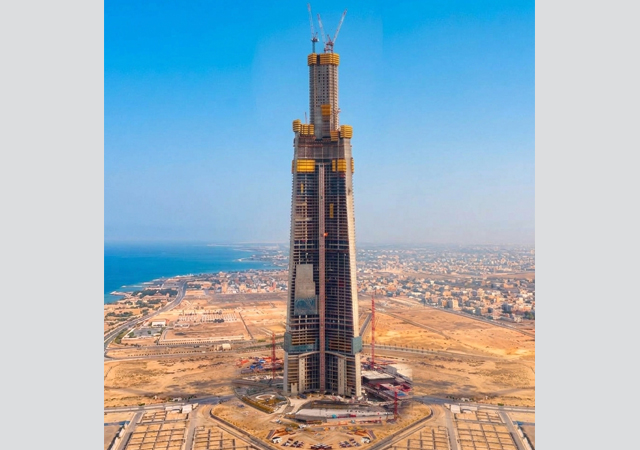




The Dh3.673 billion (&1 billion) Burj Dubai, designed to be the world’s tallest tower, marked a major milestone when it scaled 50 levels late last month.
The feat at the $20 billion Burj Dubai downtown development was accomplished in less than 900 days since excavation work started in January 2004. Work is on course for a 2008 completion with one new level being added every four days.
Emaar Properties chairman Mohamed Ali Alabbar describes the milestone as a “significant moment.”
“We are witnessing ‘history rising’ on schedule. With the world’s eyes on Burj Dubai, this is a moment of pride not only for Emaar but also for Dubai,” he states. “The super tall tower, now at level 50 and going strong, is a symbol of Dubai’s aspirations and capabilities.”
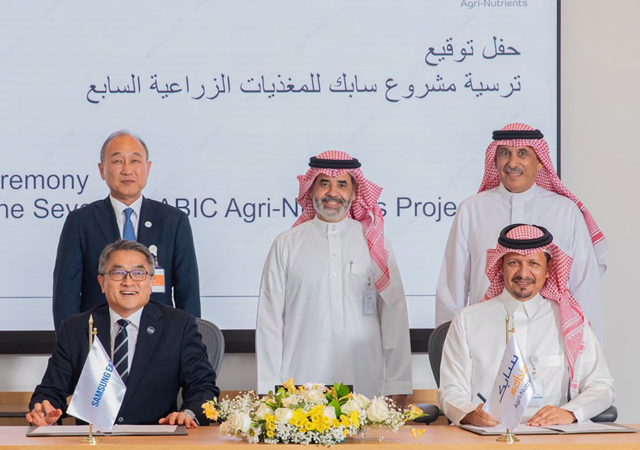
Designed by Chicago-based Skidmore, Owings & Merrill (SOM), Burj Dubai is being constructed by high-rise construction experts South Korea’s Samsung Corporation, with Turner Construction International being the project and construction manager.
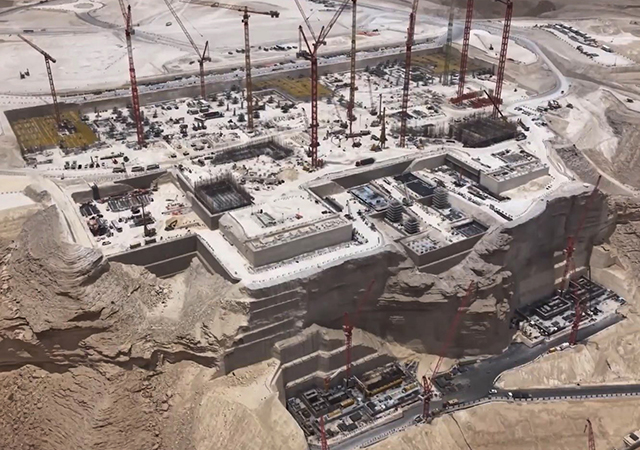
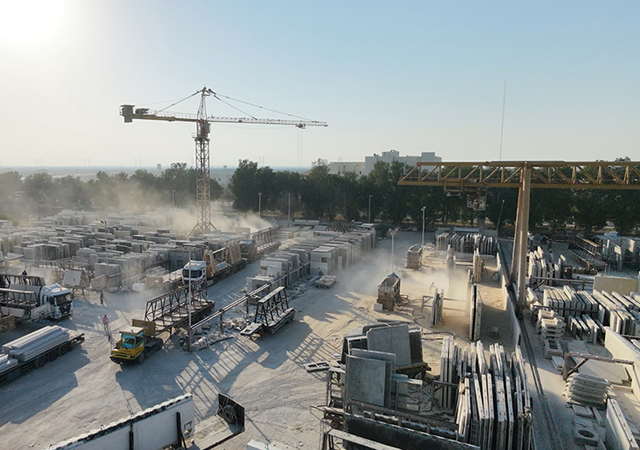
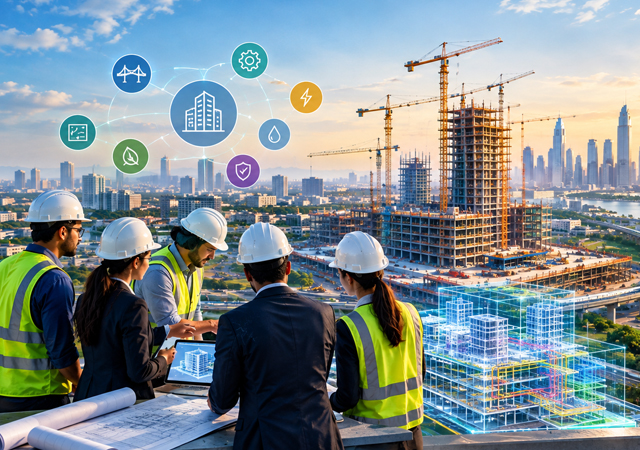
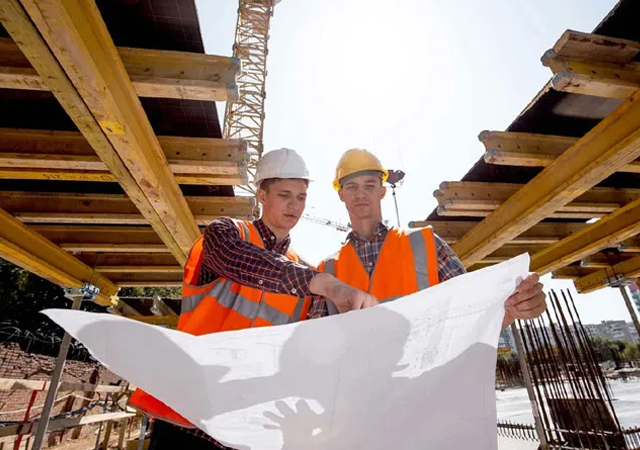
More than 3,000 workers are involved with Burj Dubai. More than 160,000 cu m of high-quality concrete and 25,000 tonnes of steel rebar have so far been used in the construction. Specially developed concrete pumps are employed to generate 350 bars of pressure and pump to a height of 600 m.
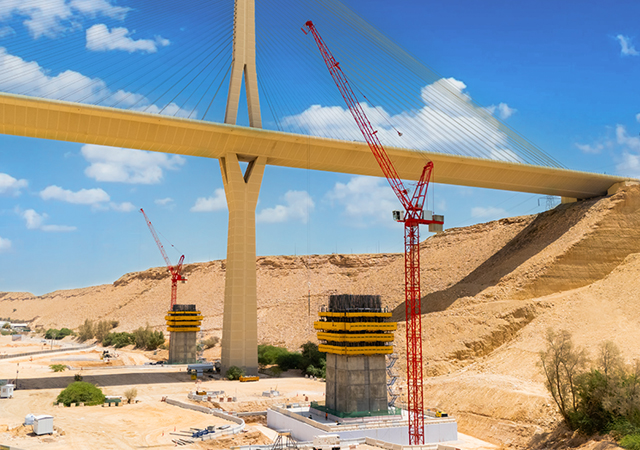
Eleven cranes and the world’s fastest high-capacity construction hoists – with a speed of up to 120 m per minute are being used to move men and material to the lofty heights.
The fast-track construction employs modern building techniques including the use of self-climbing formwork for walls and prefabricated rebar cages. The tower has a base floor plate of 33,000 sq ft, which tapers as the structure rises skywards.
Burj Dubai will feature the exclusive Armani Hotel designed by Giorgio Armani, luxurious corporate suites and offices, serviced residential suites, apartments, four swimming pools, restaurants, exclusive lounges, 15,000 sq ft of fitness facilities, recreational and entertainment facilities and an observatory.
Safety and security features – against high wind velocities, soaring summer temperatures, seismic disturbances, fire and other threats – have been incorporated into the design of Burj Dubai. “The project capitalizes on the latest advances in wind engineering, structural engineering, structural systems, construction equipment, materials and methods,” said Greg Sang, assistant director – projects, Emaar Properties.