
































A MOCK-UP solar system from Sanyo, installed on a trial basis to power certain areas of the Dubai’s Trakhees-Environment, Health and Safety (EHS) office, is expected to save 2,400 kWh on electricity and approximately 1,300 kg of carbon dioxide emission, annually.
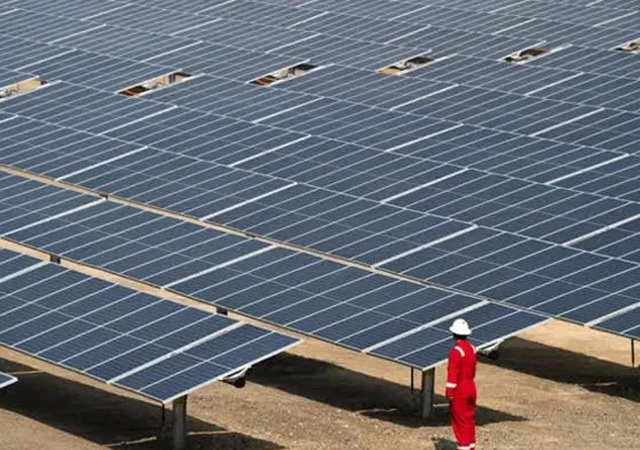
In addition to lighting up the entire reception area of the office, Sanyo’s 2kWp hybrid photovoltaic system will also power two LCD televisions at the reception, the main conference room and the LCD projector at the conference hall.
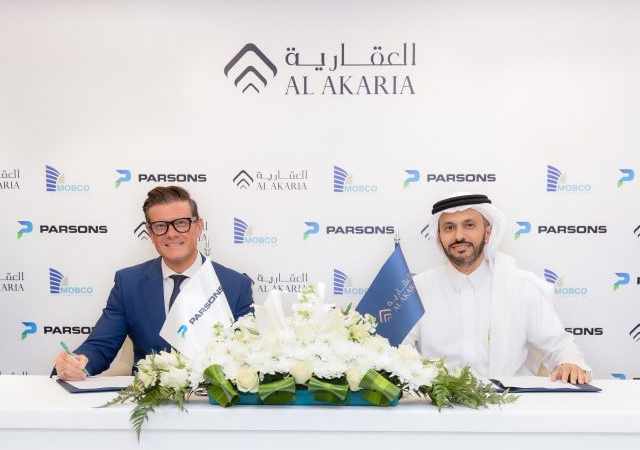
Sanyo, a leading company that provides eco-friendly, energy, environment and lifestyle applications, together with its solar system integrator partner Value Addition, has installed this system at the office of Trakhees-EHS, the regulatory arm of Trakhees – Ports, Customs and Free Zone Corporation.
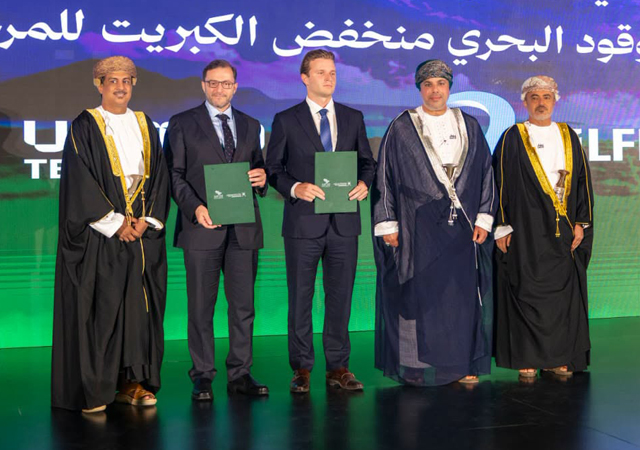
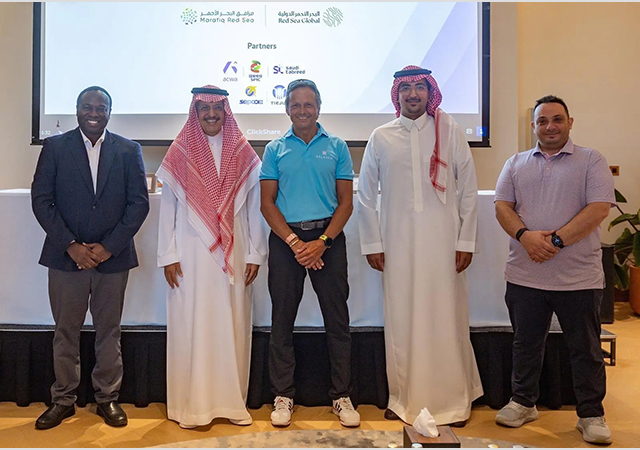
The system, which includes Sanyo’s Hit (heterojunction with intrinsic thin layer) technology panel HIP-205 NKHB1-H range in combination with high-efficiency solar inverter from SMA Solar Germany, was handed over to Trakhees-EHS by Takashi Hirao, chief regional officer for Europe, Middle East and Africa at Sanyo Gulf.
Hirao said: “This initiative of voluntarily installing our highly advanced photovoltaic panels within Trakhees-EHS is in line with Sanyo’s ‘green innovation’ vision which aims to realise a clean energy society and is an extension of the efforts of our Solar Ark photovoltaic power generation facility in Japan.”
Sanyo Hit photovoltaic modules are developed using the company’s proprietary technology and expertise, and come with superior temperature performance characteristics that are specifically suited for this region. Hit photovoltaic modules are based on thin mono crystalline silicon wafers surrounded by ultra-thin amorphous silicon layers to deliver greater conversion efficiency, outstanding temperature characteristics and higher output power on a given roof area compared to conventional crystalline modules, he says.
Sanyo’s Solar Ark facility in Japan is a unique ark-shaped solar photovoltaic power generation facility that’s 315-m wide and 37-m tall. It accommodates a solar lab, a solar energy museum and one of the more unusual museums in the world.