

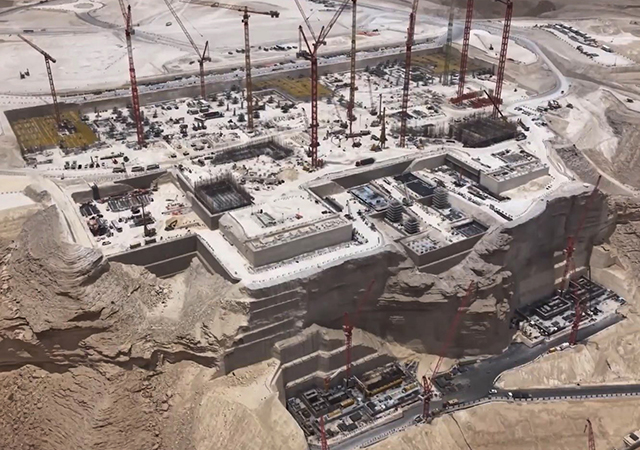

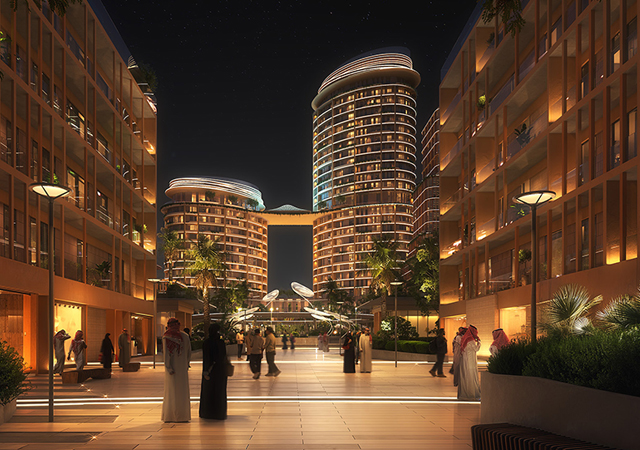
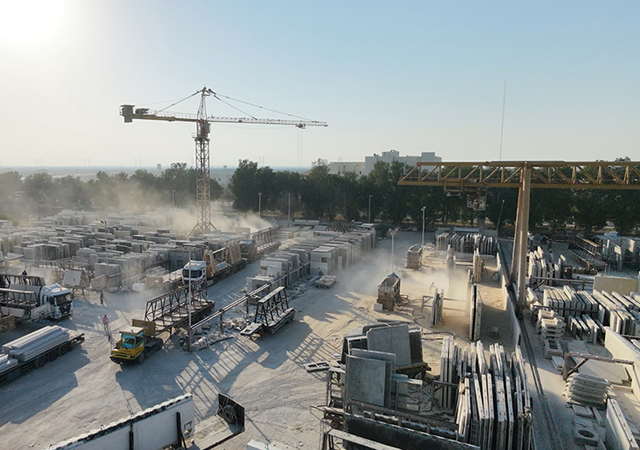
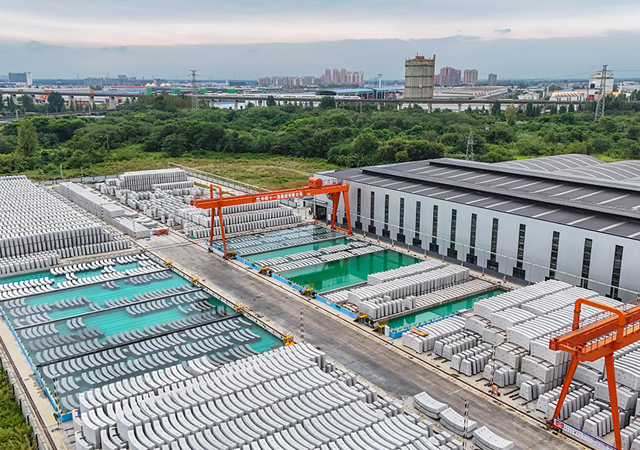












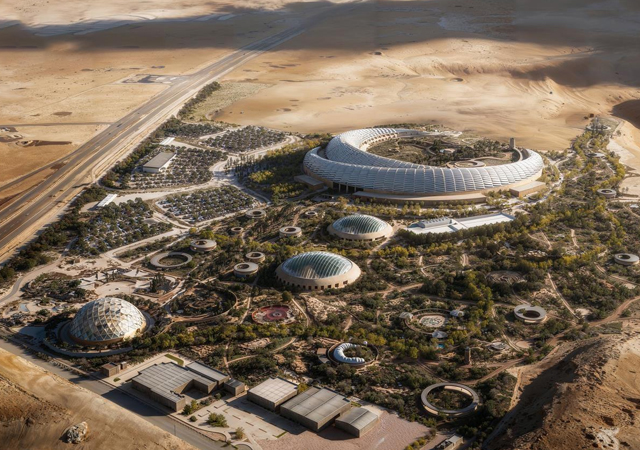
Construction on the King Abdullah Gardens (KAGA) is advancing rapidly, marking significant progress on one of Riyadh’s most prominent environmental initiatives, according to Saudi Press Agency (SPA).
With major structural elements and key facilities already completed, the project aims to dramatically expand the capital’s green spaces and enhance overall quality of life.
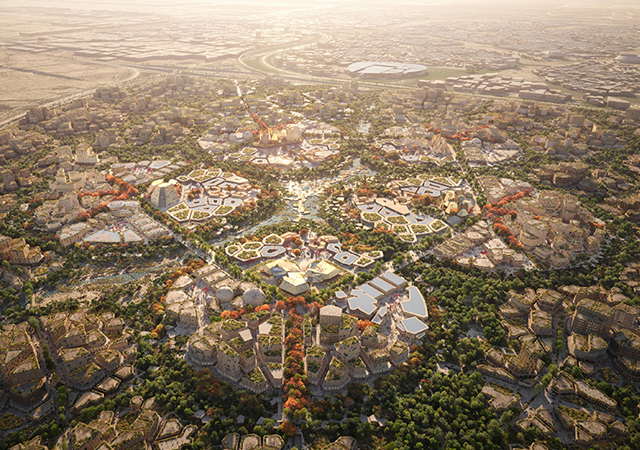
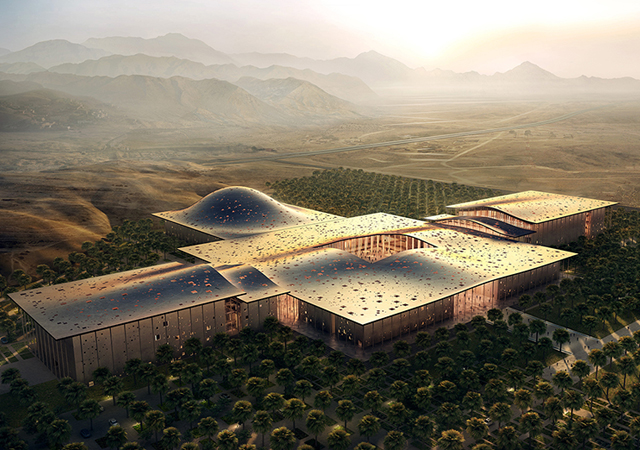
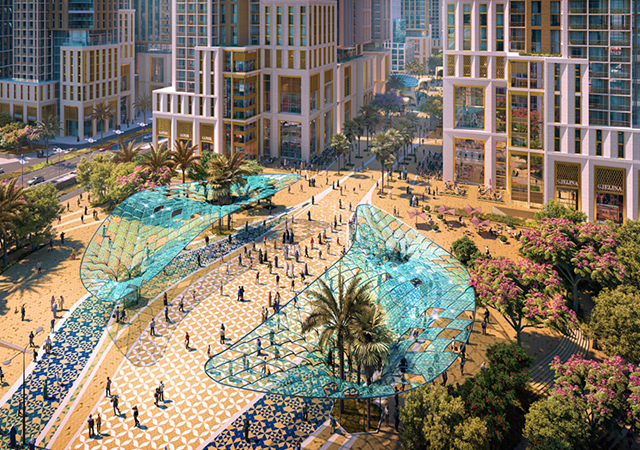
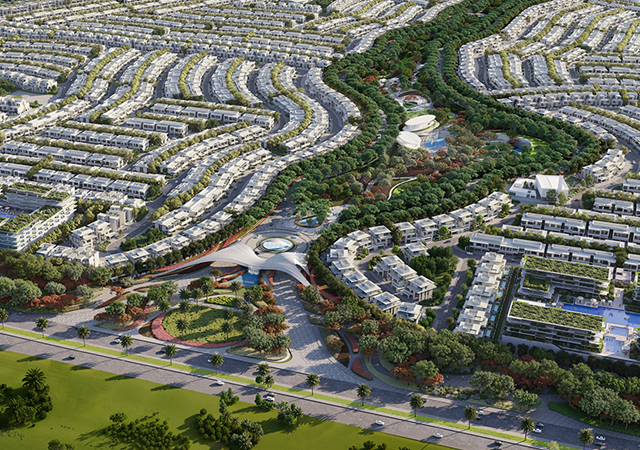
Spanning more than 2 million sq m, KAGA ranks among the world’s three largest covered botanical gardens. The expansive site features a diverse array of environments, including water, desert, and floral gardens, alongside dedicated areas for birds, reptiles, and children. Enhancing its scientific and educational value, the project includes a botanical museum and a gene bank. It also offers integrated recreational facilities, such as a valley promenade, observation towers, and event spaces.
These are complemented by cafés, markets, and playgrounds, creating a comprehensive environment that encourages visitor engagement with nature.
Work on the project began in 2014 under the late King Abdullah and includes several botanical gardens, divided into two sections, reported SPA.
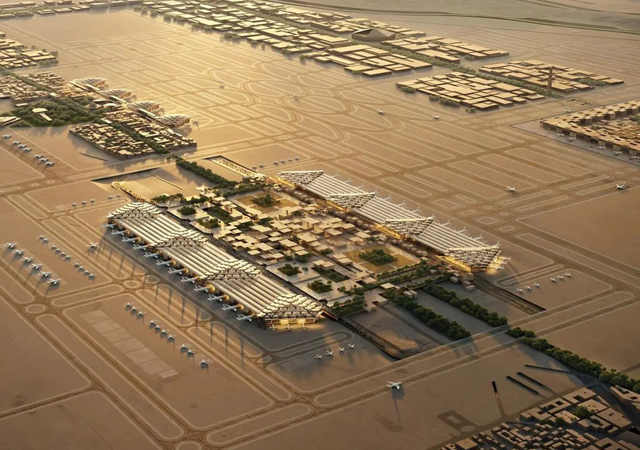
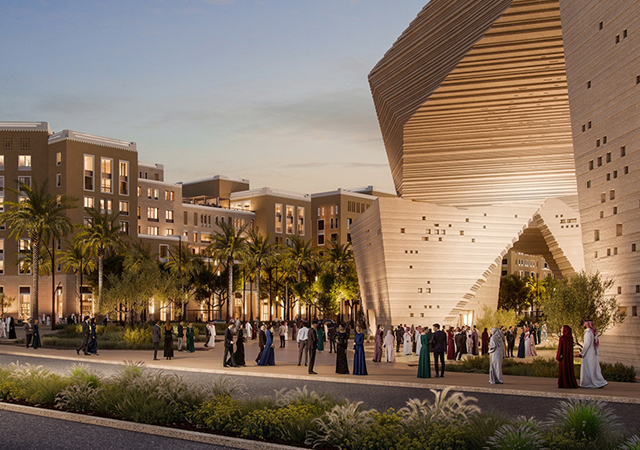
The centerpiece of the project is a paleobotanic biome building, formed as two interlocking crescents which accommodate a sequence of controlled environments covering 90,000 sq m. One section is fully covered and is five times the size of the Eden project in Britain. This covered section will “display the evolution of plant life in the Arabian Peninsula over the centuries,” the SPA reported.
The KAGA project reflects Riyadh’s broader development vision, establishing a sustainable urban destination that seamlessly integrates environmental, cultural, and educational experiences.