
















































The boom in data centre development is like nothing we have seen before, because it is happening everywhere. The Middle East is a leading hub, alongside North America, Europe and Asia-Pacific. The sheer size and scale of this demand is testing the resilience and inventiveness of our industry.
But is it right to say that data centres require a novel approach to construction procurement? It’s worth sorting out what’s new from what isn’t.
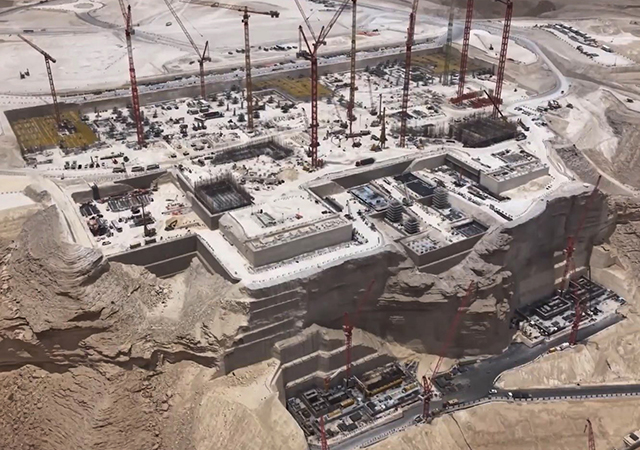
Practices have evolved in data centre development: lead times on cooling equipment and UPS (uninterruptible power supply) systems are necessitating manufacturing slot reservation agreements between project developers and OEMs, either to give the kit to contractors on a free-issue basis or to novate the reservation (and supply) agreements to them. Developers are also carrying out civils and structural works separately in order to move the project forward in parallel with procuring main construction build-out and fit-out; although that brings risk as discussed below.
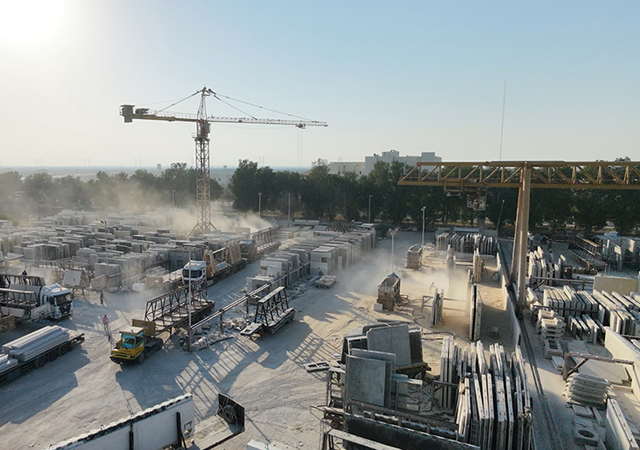
And data centres have spawned a huge expansion in the manufacturing of modular units. These things are cited as peculiar features of data centres but they are existing aspects of big-ticket engineering projects, especially power generation, LNG and petrochemicals.
The main strategic decision for developers is still the contracting model, and the drivers of that decision, are familiar. Developers are increasingly opting for single EPC turnkey contracts, as opposed to split shell-and-core and fit-out contracts. This trend follows a well-trodden path: banks financing cloud-based data centres have a preferred risk profile across all sectors: the single point of responsibility to deliver the full range of performance guarantees on a lump-sum price.
That creates a tension with project completion schedules to meet immediate demand. Commercial EPCs need to be fully-formed before anything gets mobilised. In contrast, a split procurement model can get structural and civils work started earlier.
In response to this tension, some observers are saying that this is EPCM’s time to shine, as it enables developers to mobilise early works within a framework of a single EPCM contractor holding overall responsibility, and which also allows the developer to retain more design control. I see the point, but so far I haven’t seen this trend. If owners and lenders are choosing EPC instead of taking the risk on a single contract interface between shell-and-core and fit-out, it is a stretch to think they will want to manage the numerous interfaces inherent in EPCM.
Data centre equipment purchase has started to follow established practice in conventional power plant construction, and for the same reasons, notably:
• Power developers have been putting down non-refundable cash deposits to reserve gas turbine manufacturing slots, years in advance of delivery dates;
• Supply terms for gas turbines have become tougher for owners, both on payment terms and risk profile;
• Lead times of several years can raise obsolescence and warranty length problems; and
• Owners have to be confident that contractors will adopt responsibility for equipment that is free-issued to them. Or (in a novation strategy) that contractors will accept novated supply contract terms as a viable basis for meeting their own EPC obligations on schedule, quality and performance guarantees.
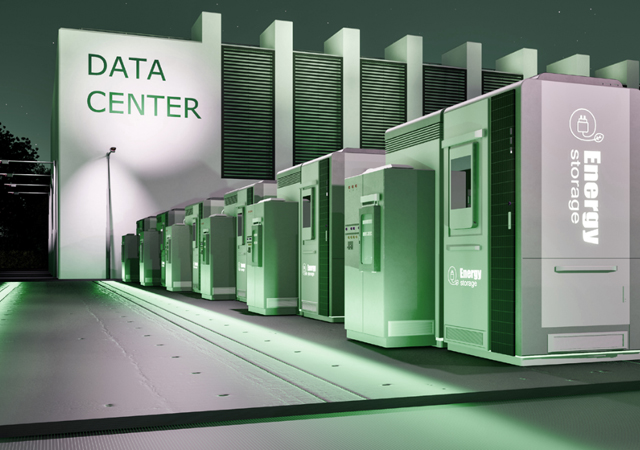
The landscape for data centres is similar but turbo-charged because scarcity affects multiple essential pieces of equipment. Apart from UPS and cooling systems, transformer demand will roughly double between 2025 and 2030, and they are currently on three- to four-year lead times. In particular, the new AI data centres are increasingly developed under layered financing arrangements involving private equity, private credit and sovereign wealth. Supply chain lock-in is central to their model but still resolving into a single-point EPC model.
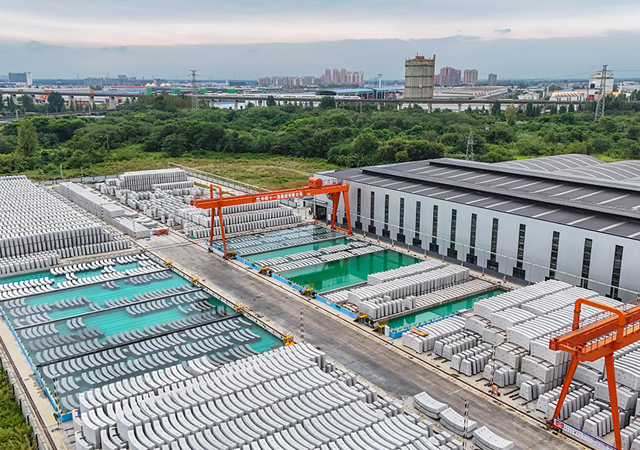
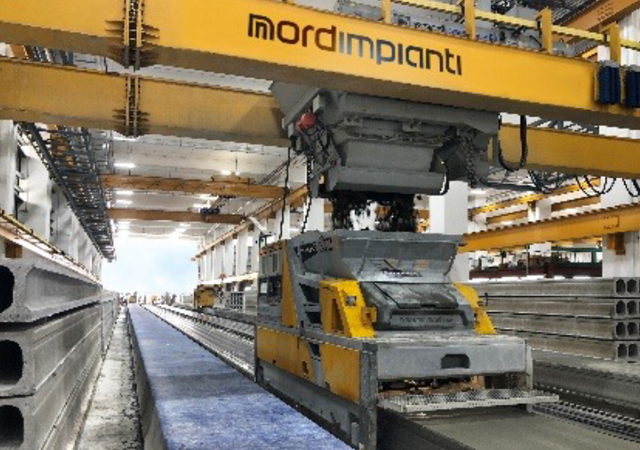
One helpful factor for data centres is their relative uniformity, allowing for greater use of prefabricated and modular systems. Complete power and cooling systems can be manufactured and delivered this way, pre-tested and internally commissioned at the factory. Here, at least, is one feature that is changing the way EPCs cover mechanical completion, commissioning and testing.
The newest and sharpest challenge now is the lack of capacity and/or reliability of grid power. Governments globally are reacting to this by requiring co-location of data with utility power stations or requiring the inclusion of captive power generation. Captive power obviously means contractually integrating two substantial facilities in one project but again this is not a new challenge. The same grid reliance issues drove Middle East governments (in particular) to develop integrated power and water desalination plants, which are comfortably accommodated in single EPC models.
In summary, data centres have not so far moved the dial on the underlying principles of construction procurement. What’s new is the scale and urgency of the task to meet the demand for data centres, and the speed of change – for instance, with new financing models, new OEM market entrants, increased manufacturing capacity and scarcity of capable EPC contractors. Which always makes negotiations more fun.
* Dubai-based Stuart Jordan is the Global Head of Construction for Baker Botts, a leading international law firm. He has extensive experience in the Middle East, Russia and the UK.