








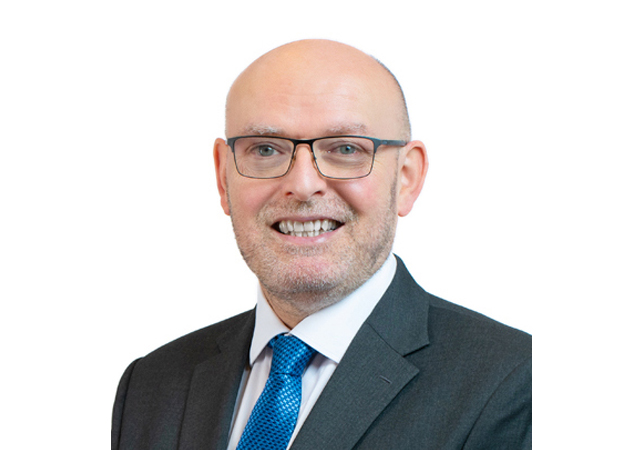









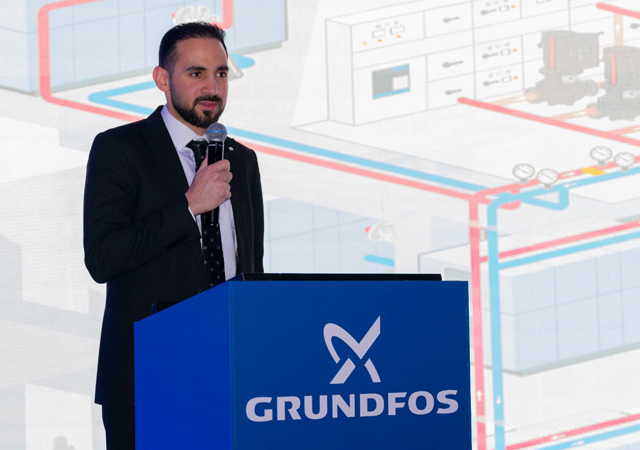
Saudi Arabia’s fast‑growing data centre sector can cut cooling energy use by as much as 38 per cent by shifting from conventional centralised pumping to intelligent, distributed systems that enable real‑time control and redundancy, according to Waleed Okasha, Sales Manager for Commercial Building Services at Grundfos Saudi Arabia.
As the kingdom accelerates its Vision 2030 ambitions, data centres are becoming the backbone of the country’s digital economy, supporting cloud services, artificial intelligence, and large-scale digital transformation initiatives. However, operating mission-critical facilities in the region presents severe technical hurdles, driven by extreme ambient temperatures and water scarcity.
To tackle these challenges Okasha is advocating a structural shift away from traditional centralised cooling systems toward fully integrated, decentralised architectures.
Leading pump manufacturer Grundfos enables this through Distributed Pumping Systems (DPS), which replace traditional central pumping and throttling valves with intelligent pumps that provide precise control at each load point.
“By combining pumps, controls, sensors, and analytics into a single platform, DPS eliminates throttling losses. For mission-critical facilities, this architecture enhances redundancy and directly supports Tier III and Tier IV reliability requirements,” says Okasha, who plays a pivotal role in helping mission-critical sectors, particularly the fast-growing data centre industry, implement smart, energy-efficient solutions.
Data-Driven Performance Optimisation
Grundfos’ approach moves operators away from designing for fixed conditions toward continuous, data‑driven optimisation, using real‑time monitoring and advanced digital controls. The system adapts dynamically to changing thermal loads and operational demands, maintaining peak efficiency throughout the cooling system’s lifecycle.
Okasha says Grundfos is developing localised cooling concepts tailored to the kingdom. Beyond energy savings, these high-performance solutions prioritise water efficiency and reuse strategies, supporting Vision 2030 sustainability targets while ensuring long-term operational resilience.
With Saudi Arabia’s data centre capacity expanding rapidly towards its 2030 targets and hyperscale and AI workloads driving higher heat densities, developers, consultants and operators are under growing pressure to lock in future‑ready, intelligent systems from the outset.
“Selecting the right cooling and water management solutions early in the development process significantly impacts long-term operational efficiency, cost performance, and sustainability,” he says.
Grundfos is positioning itself as a long‑term partner across the project lifecycle, from concept and engineering through commissioning and ongoing optimisation. The company combines a strong local presence with global technical expertise, working closely with consultants, contractors and operators to tailor solutions to the kingdom’s environmental and regulatory context.
As Saudi Arabia’s digital economy scales up, Okasha argues, adopting intelligent, future-ready cooling and water management systems will be essential to sustaining that growth.