








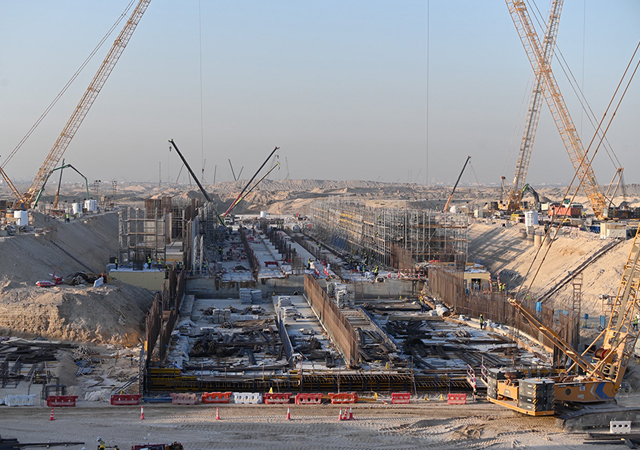
The race to build the world’s largest aviation hub has officially entered its heavy civil phase. Dubai’s government has confirmed that the first phase of the Al Maktoum International Airport (Dubai World Central) expansion is progressing on schedule for a 2032 operational launch, backed by a staggering AED13 billion ($3.5 billion) in contracts currently under execution.
With enabling works, runway infrastructure, and terminal foundations already advancing rapidly, authorities are preparing to unleash the next wave of development: a massive portfolio of upcoming contract awards exceeding AED55 billion. Designed to replace Dubai International (DXB) as the emirate’s primary hub, the sprawling mega-project will span five times the footprint of the current airport, demanding an unprecedented mobilisation of structural engineering, earthmoving, and multimodal infrastructure.
Al Maktoum International Airport is expected to have an annual capacity exceeding 260 million passengers and 12 million tonnes of air cargo upon completion of its final phase.
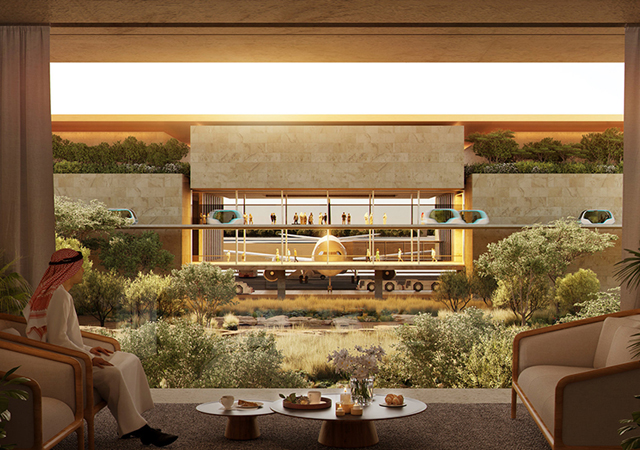
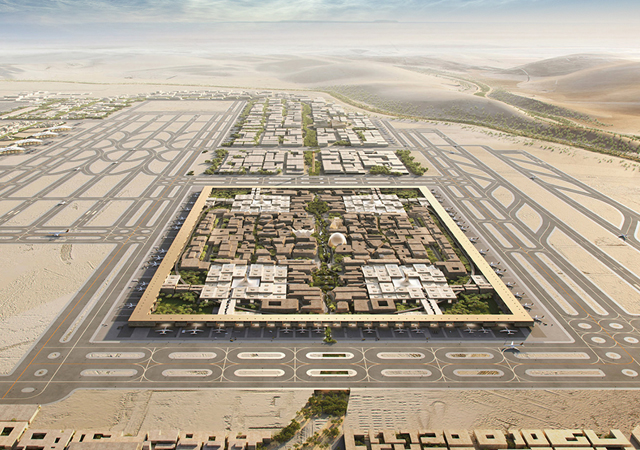
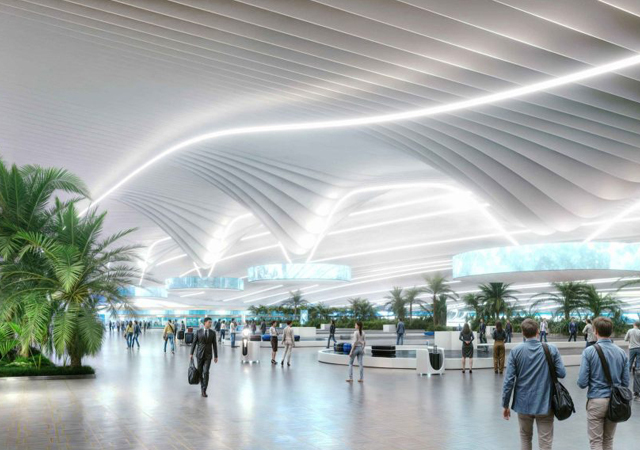
The $34.8-billion expansion of the airport was launched in 2024 and will comprise five parallel runways, west and east processing terminals, a high-speed automated passenger mover (APM) system, and seamless multimodal connectivity linking air, rail, and road transport networks.
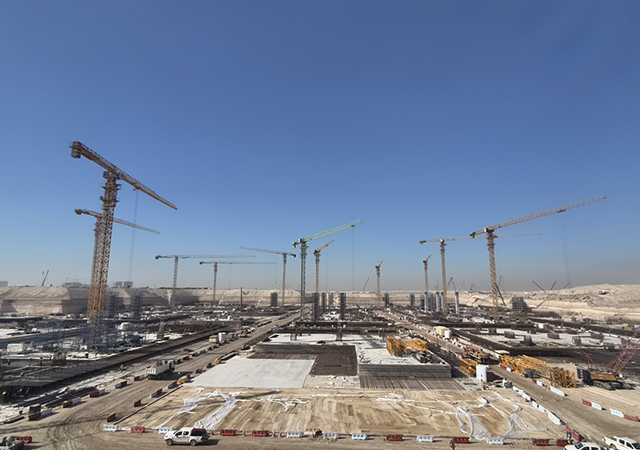
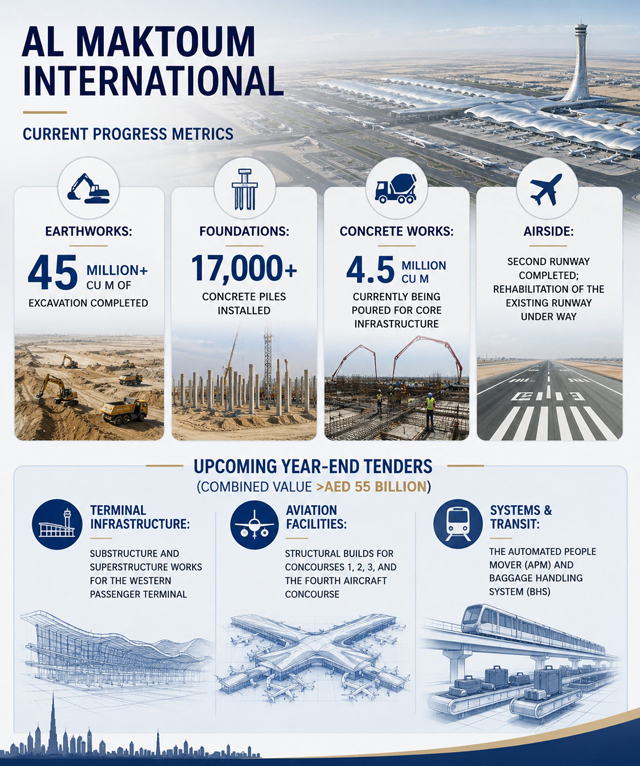
Al Maktoum International project’s core infrastructure package alone demands approximately 4.5 million cu m of concrete works.
Upon its final completion, Al Maktoum International Airport is set to have seven concourses in total. The airport will first feature four satellite concourses attached to the primary passenger terminals to handle the initial targeted surge of passengers, reaching a capacity of 150 million annually by the 2032 operational phase. Once fully developed to its maximum capacity of over 260 million passengers, the layout will expand to feature seven concourses connected to more than 430 aircraft stands. Together, these capabilities will further strengthen Dubai’s position as a leading global hub for trade, tourism, logistics, and international connectivity.
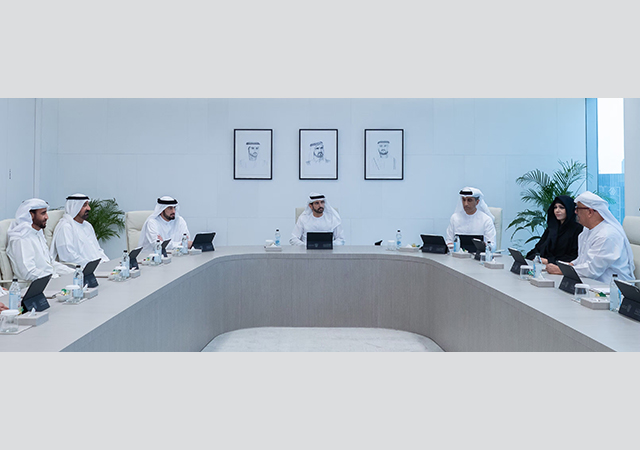
Dubai’s Crown Prince Sheikh Hamdan bin Mohammed bin Rashid Al Maktoum said the airport development reflects Dubai’s long-term vision to strengthen economic growth, global connectivity and competitiveness. He described the project as a key enabler of the Dubai Economic Agenda (D33), supporting expansion of the aviation sector, enhancing transport and logistics capabilities, and attracting high-value investments.
Dubai Civil Aviation Authority President Sheikh Ahmed bin Saeed Al Maktoum said the project is among the emirate’s most important strategic investments, designed to accommodate future growth in travel, trade and logistics while reinforcing Dubai’s position as a leading global aviation and logistics hub.
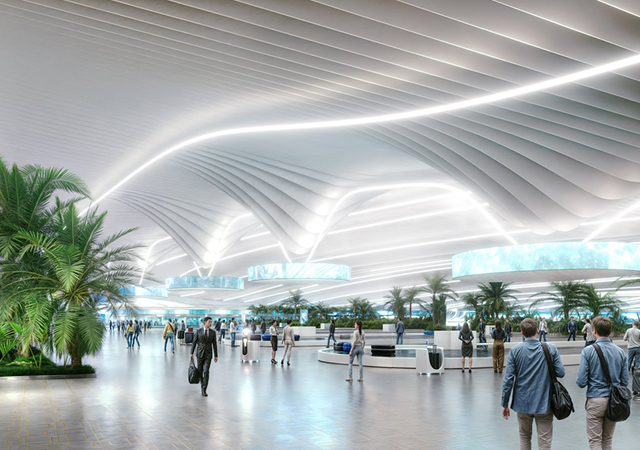
Al Maktoum Airport will achieve a capacity of 150 million passengers annually by the 2032 operational phase.
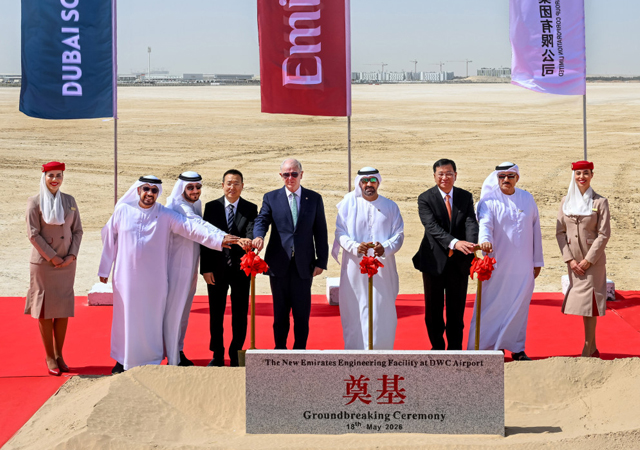
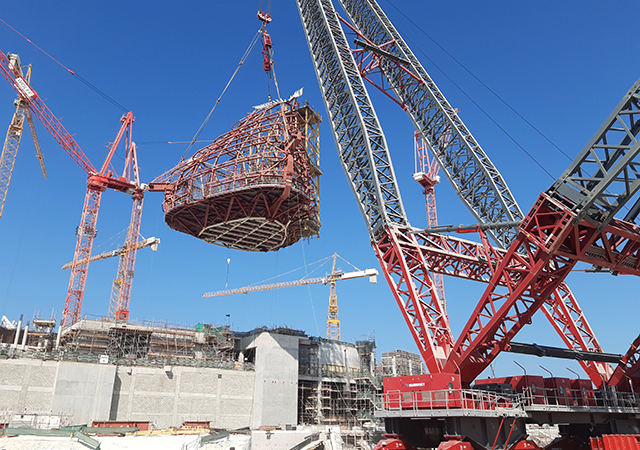
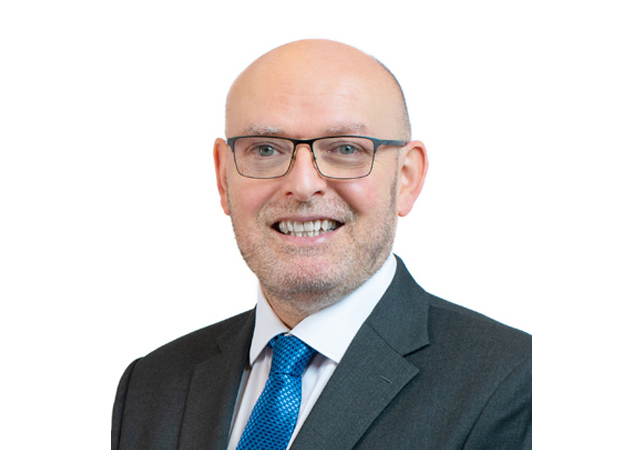
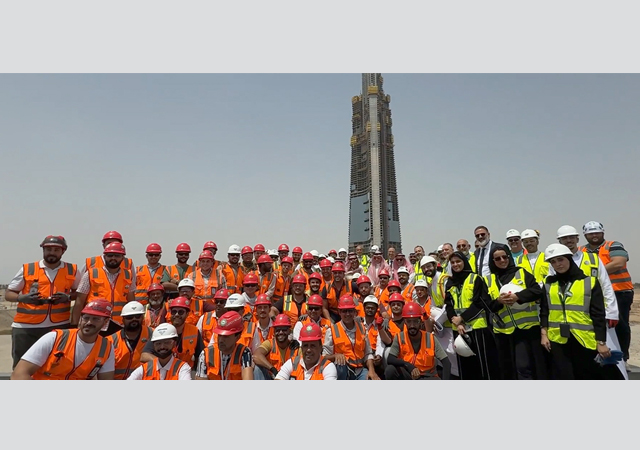
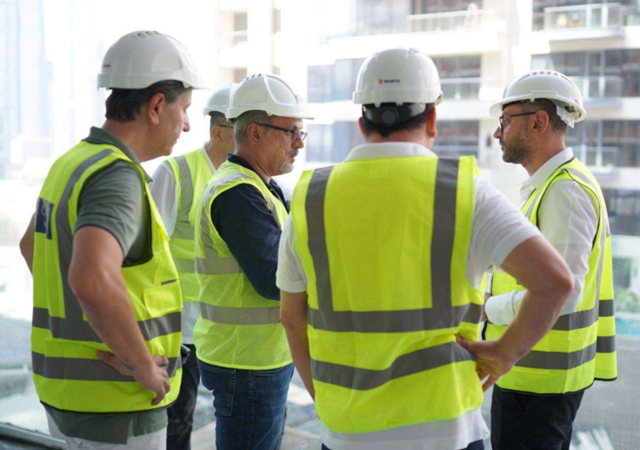
Construction at Al Maktoum International is moving at an accelerated pace, according to Eng Suzanne Al Anani, Chief Executive Officer of Dubai Aviation Engineering Projects (DAEP). Currently, packages under execution exceed AED13 billion, encompassing a massive earthworks and foundational programme. Civil works have already crossed major milestones, including over 45 million cu m of excavation, the installation of 17,000 concrete piles, and the completion of the second runway ahead of existing runway rehabilitation.
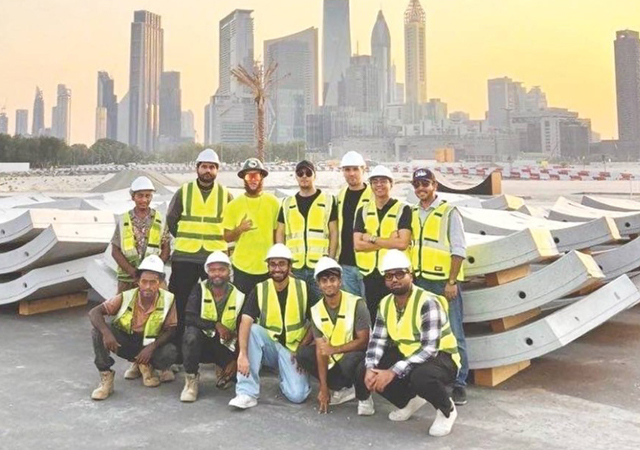
The project’s core infrastructure package alone demands approximately 4.5 million cu m of concrete works. This immense structural volume has seen the site log over 10 million work hours in the past 15 months. To meet upcoming schedules, the current on-site workforce of 9,000 is projected to scale up to a staggering 120,000 labourers at peak construction.
Al Anani emphasised that the programme is entering a pivotal procurement window, with DAEP preparing to award major packages exceeding AED55 billion by year-end. This upcoming pipeline includes substructure and superstructure works for the Western Passenger Terminal, the first three aircraft concourses, the fourth satellite concourse building, the APM system, and the primary baggage handling system (BHS).
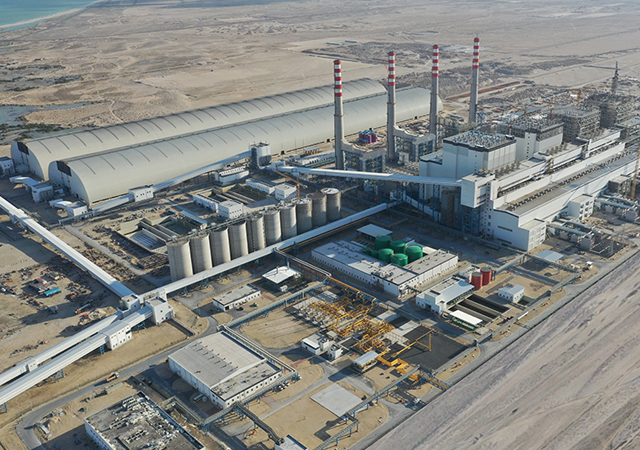
The packages also encompass the long-span structural frameworks for buildings covering an area of approximately 1.5 million sq m, infrastructure works for the southern airfield area, as well as power generation and district cooling plants supporting the construction programme.
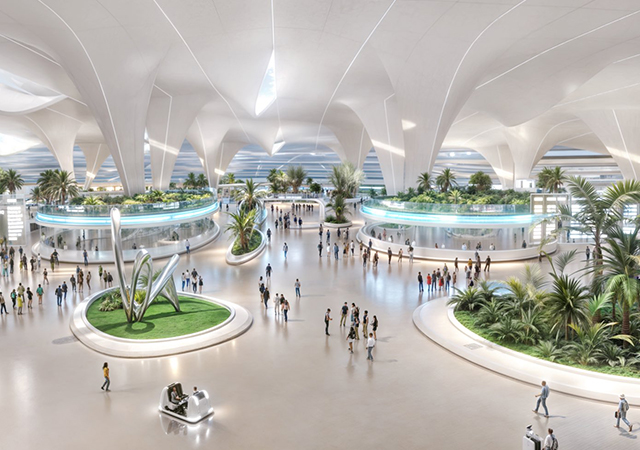
The airport will first feature four satellite concourses attached to the primary passenger terminals.
“The award of façade and roofing packages is also planned during the course of this year, reflecting the continued progress of the project and the steady advancement of its delivery milestones in line with the approved timeline,” she added.
DAEP continues to implement a comprehensive programme to develop and modernise the aviation sector’s existing infrastructure, including both Dubai International Airport and Dubai World Central. This programme forms part of a long-term strategic vision aimed at enhancing operational efficiency, increasing capacity, and elevating passenger experience, while ensuring the sector remains well-positioned to accommodate continued growth in air traffic and meet the demands of the next phase of development.
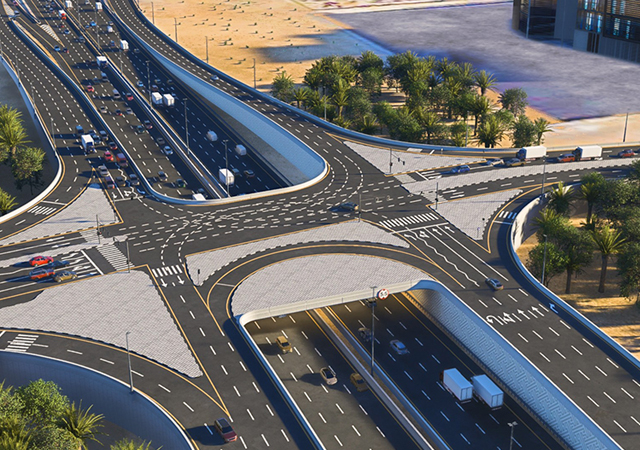
At Dubai International Airport, several critical improvement projects are currently under way. These include the enhancement of the access bridge to Terminal 3, upgrades to the road network and access routes serving Terminals 1 and 3, and airfield improvement works aimed at increasing operational flexibility. The programme also includes the expansion and modernisation of remote aircraft boarding facilities and baggage handling systems.
A total budget of AED16 billion has been allocated to these projects, with contracts worth more than AED7.5 billion already awarded. This reflects the steady progress being achieved across the development programme and underscores Dubai’s continued commitment to investing in world-class aviation infrastructure to support future growth and maintain its global leadership in the sector.