


As summer temperatures soar, heat resilience has shifted from a design preference to a priority for the UAE’s built environment. In a region where cooling can account for up to 80 per cent of a building’s total electricity consumption, design and construction choices are critical for both occupant comfort and long-term sustainability.
Meeting the UAE Energy Strategy 2050, which targets a 40 per cent reduction in energy demand, requires that buildings look beyond mechanical cooling alone. The decisions made during planning, design, material selection, and construction fundamentally determine a structure’s future efficiency and liveability.
Drawing on years of experience across the region’s built environment, Access Consult highlights how a clear understanding of climate, local regulations, cultural context, and operational performance can drive meaningful heat resilience through six foundational construction choices.

Seguen: “This suite of heat-resilience measures typically reduces cooling energy consumption by 15 per cent to 35 per cent.”
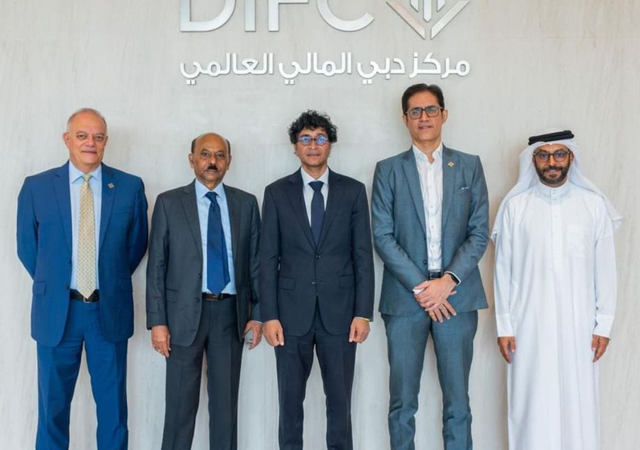
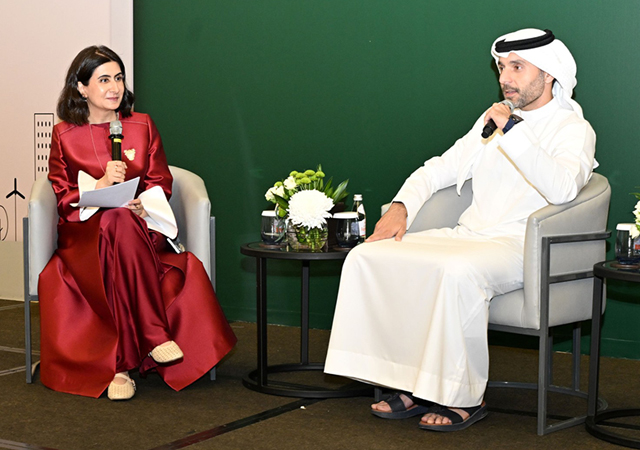
When these six passive and mechanical strategies are woven together, the benefits extend far beyond energy savings to directly improve indoor air quality, Mohamed Salah Seguen, CEO at Access Consult, tells Gulf Construction.
Seguen says: “Heat-resilience strategies can have a direct positive impact on indoor air quality by reducing heat gain, stabilising indoor temperatures, and helping HVAC systems operate more efficiently. When façades, roofs, insulation, shading and materials are designed to limit heat transfer, cooling systems do not have to work as aggressively. This supports better humidity control, improved filtration performance and more consistent ventilation. Greenery, shaded outdoor areas and smart controls can also reduce dust, glare and heat stress, creating healthier and more comfortable indoor environments for occupants.”
Choosing the right building orientation
The first line of defence begins with strategic building orientation. Studying how a building sits on its plot allows developers to assess sun paths, neighbouring structures, wind direction, and views before finalising massing and layout. Research in the UAE reveals that north-facing windows consume 36 per cent less annual cooling energy compared to windows facing other directions. By minimising exposure on the most heat-sensitive façades, consultants ensure buildings perform better before any mechanical cooling system is even switched on.
Designing façades that work with the climate
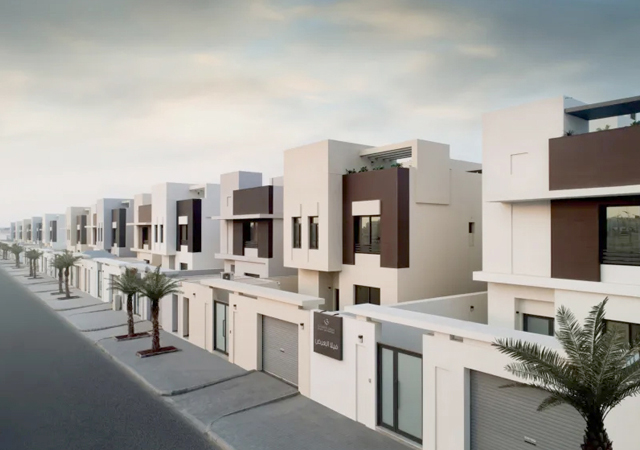
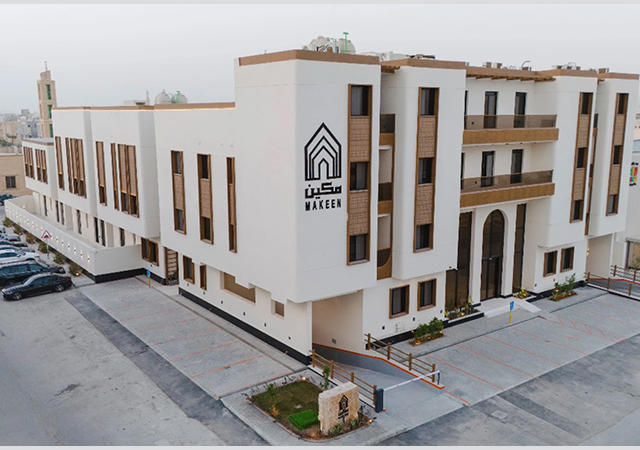
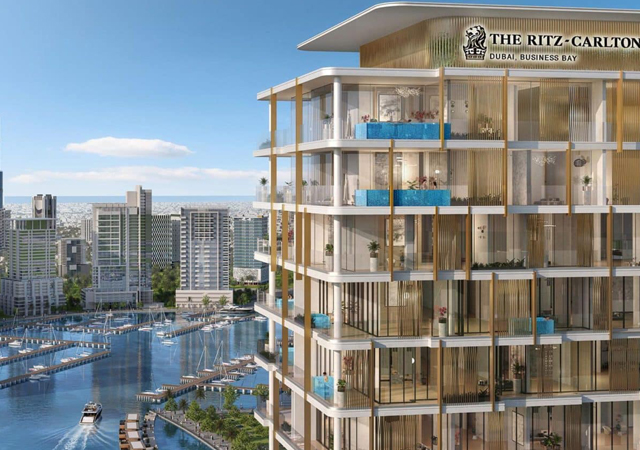
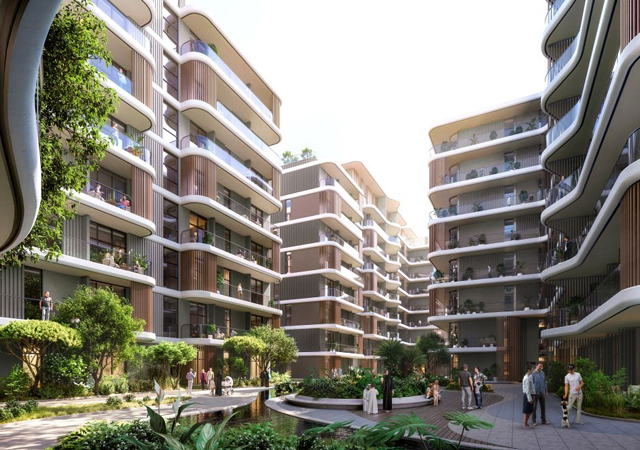
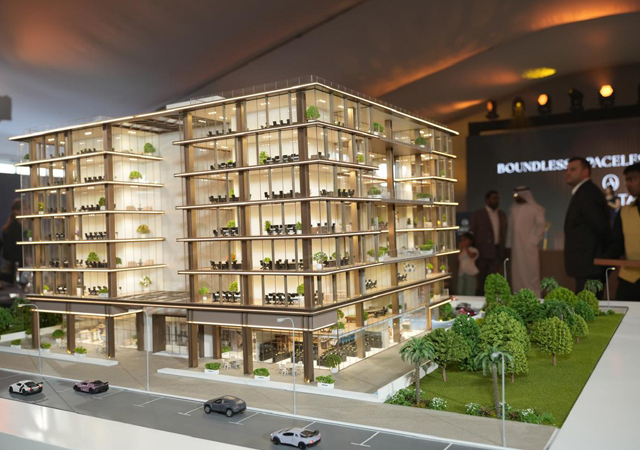
Complementing orientation is the façade, which serves as the primary barrier against solar radiation, heat transfer, glare, and outdoor temperature extremes. A high-performance envelope must carefully balance daylight, views, aesthetics, durability, and thermal performance. Integrating high-performance glazing, shading devices, insulated panels, balcony projections, façade fins, and specialised cladding systems drastically reduces heat gain.
Using materials with better thermal performance
Some materials absorb and retain heat quickly, while others help regulate internal temperatures more effectively. Choosing appropriate insulation, wall systems, roofing materials, and external finishes can significantly improve a building’s performance during summer.
Light-coloured external materials can help reflect sunlight, while insulated walls and roofs reduce heat transfer into the building. In large developments, these choices can make a noticeable difference to indoor comfort and operational costs over time. Good material selection also supports durability, which is critical in environments exposed to intense sun, humidity, and temperature fluctuations.
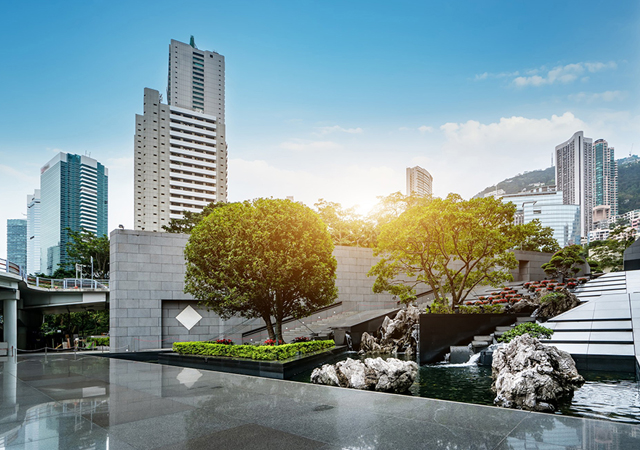
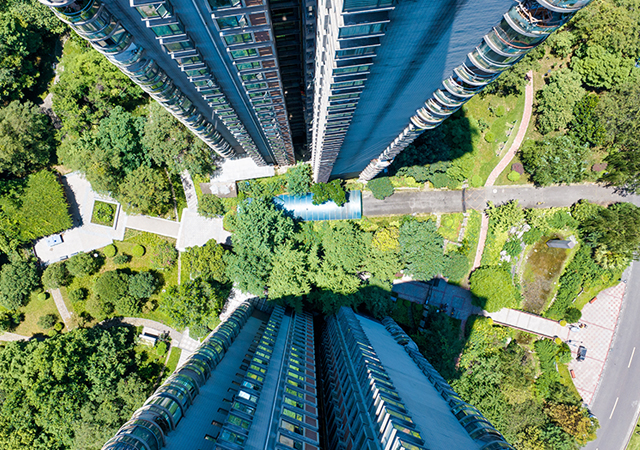
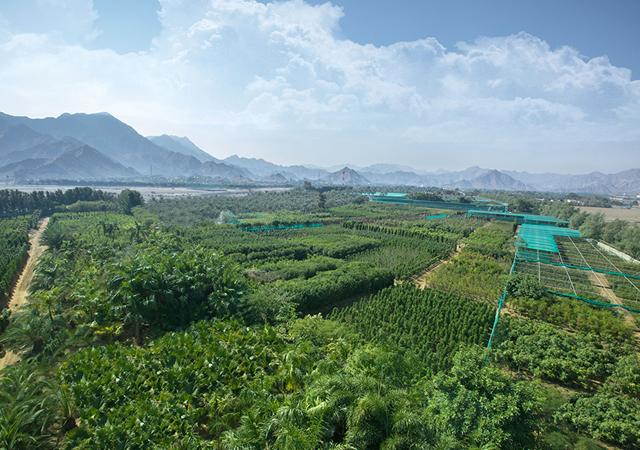
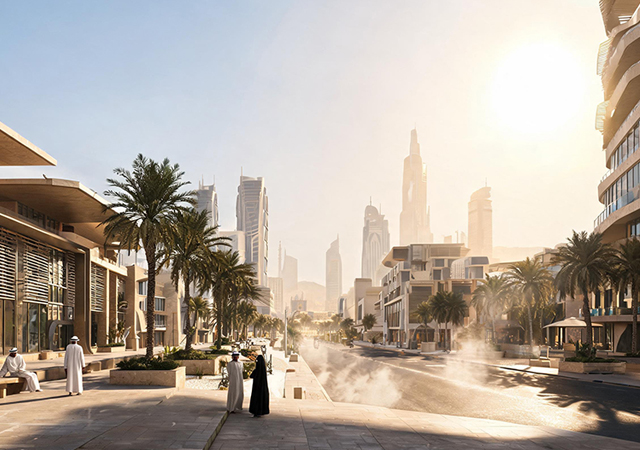
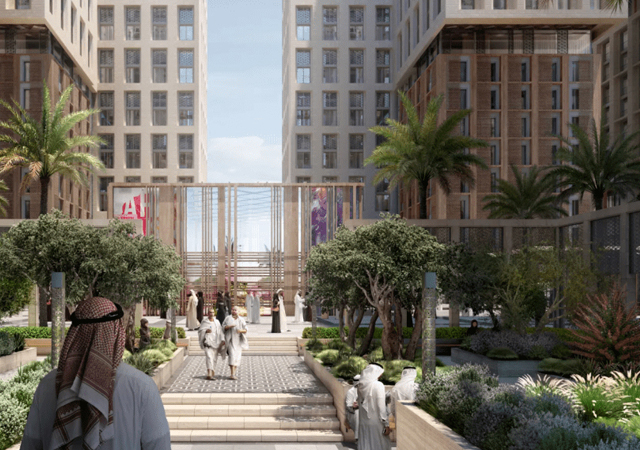
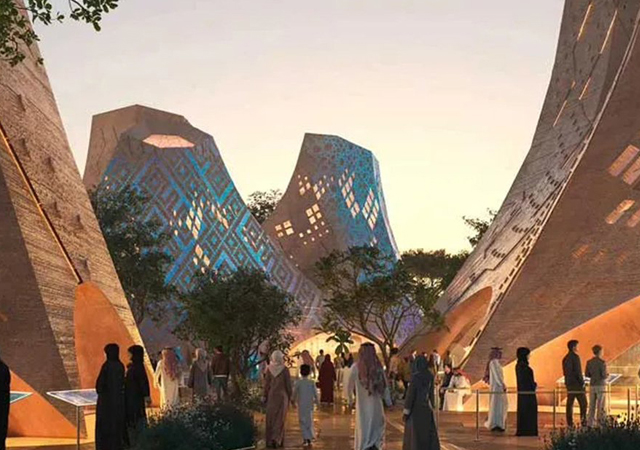
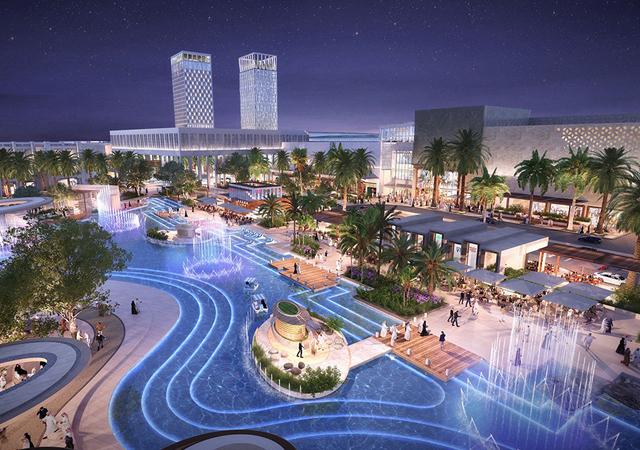
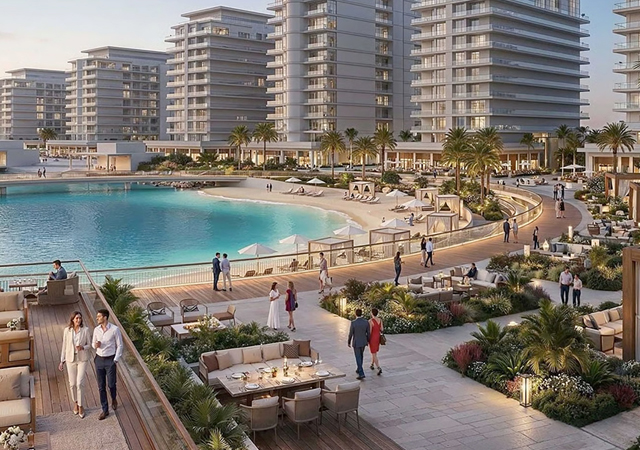
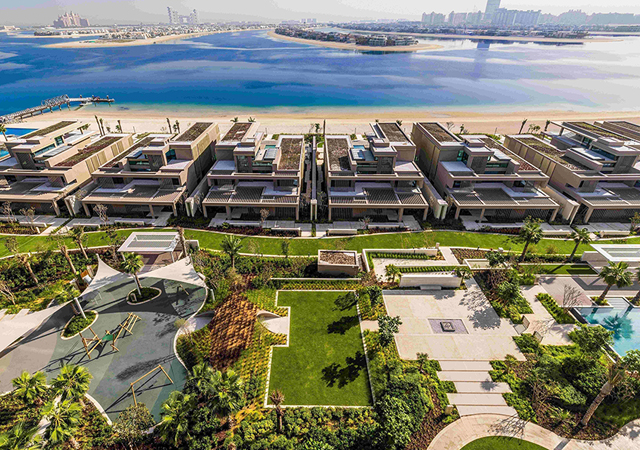
Greenery and shaded outdoor areas reduce heat stress, creating healthier and more comfortable environments.
Strengthening wall insulation and airflow
In hot climates, double-wall construction, cavity walls, and insulated blocks can help reduce the amount of heat entering a building and support more stable indoor temperatures. While these options may slightly increase initial construction costs, they contribute to long-term comfort and efficiency.
Cross ventilation should also be planned early. Windows on opposite walls, open layouts, and ventilation shafts can support natural air movement through the building. When airflow is properly considered, interiors feel less stagnant and cooling systems do not have to work as hard.
Planning roofs and outdoor areas carefully
Roofs are among the most exposed parts of a building, making them a major source of heat gain. Standard dark bitumen roofs in the UAE absorb up to 90 per cent of solar radiation, reaching punishing surface temperatures of 70 deg C to 80 deg C in the summer.
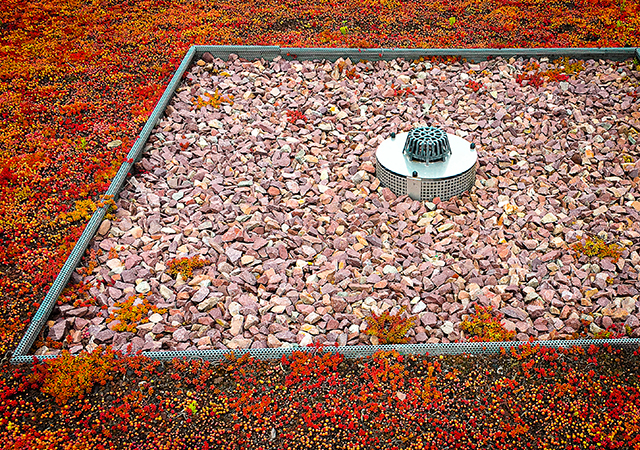
Strong roof insulation, reflective finishes, shaded service areas, and, where suitable, green or landscaped roof zones can improve performance. Outdoor spaces should also include shaded walkways, covered parking, pergolas, heat-appropriate paving, and shaded communal areas to make developments more usable during warmer months.
Coordinating efficient HVAC systems early
Even with strong passive design, buildings in the UAE still require mechanical cooling. This makes HVAC efficiency critical. Consultants must work alongside architectural, structural, and MEP teams to calculate accurate cooling loads, route ducts properly, and ensure maintenance access. Systems should leverage high-SEER (Seasonal Energy Efficiency Ratio) units, smart thermostats, and properly sealed, insulated air ducts.
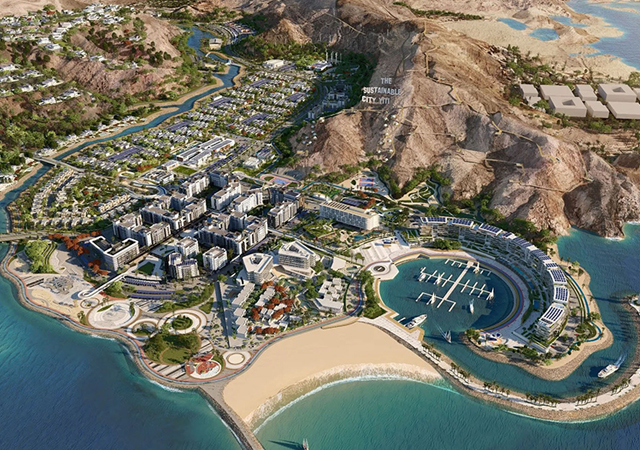
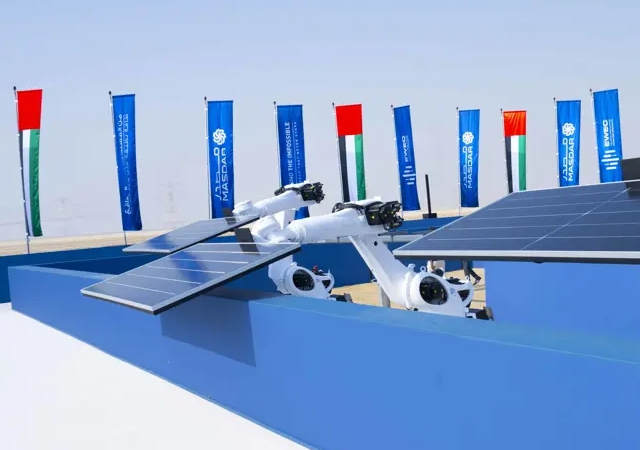
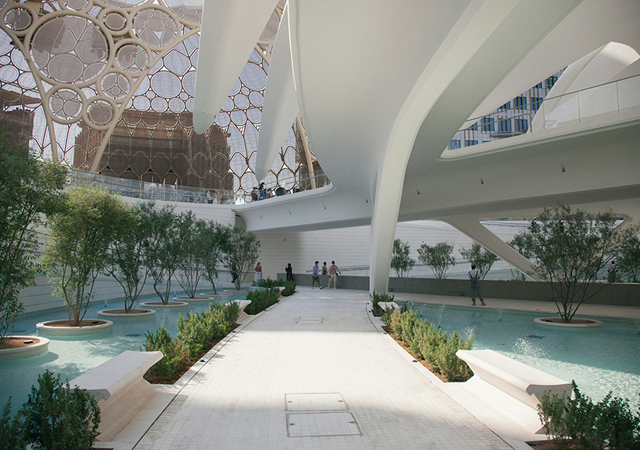
These climate-responsive strategies are not just theoretical; they are proven in major regional developments like Masdar City, The Sustainable City Dubai, and Expo City Dubai. These projects successfully demonstrate how passive shading, high-performance façades, landscaping, reflective materials and efficient cooling combine to reduce peak energy loads and lower overall cooling demand, proving that climate-responsive planning supports both sustainability targets and everyday user comfort, Seguen states.
“While outcomes vary by project, these approaches generally help reduce cooling demand, lower peak energy loads, improve outdoor microclimate conditions and enhance thermal comfort. They also show how climate-responsive planning can support both sustainability targets and everyday user comfort in hot environments,” he says.
While adopting these measures in the UAE market can increase upfront construction costs by roughly two per cent to eight per cent for relevant façades, MEP, or building envelopes, the investment is rapidly offset by operational savings.
This suite of heat-resilience measures typically reduces cooling energy consumption by 15 per cent to 35 per cent. Depending on the specific strategy, building size, and local energy tariff structures, developers can expect a relatively short payback period ranging between two and eight years, making heat resilience both an environmentally and financially sound choice, he concludes.