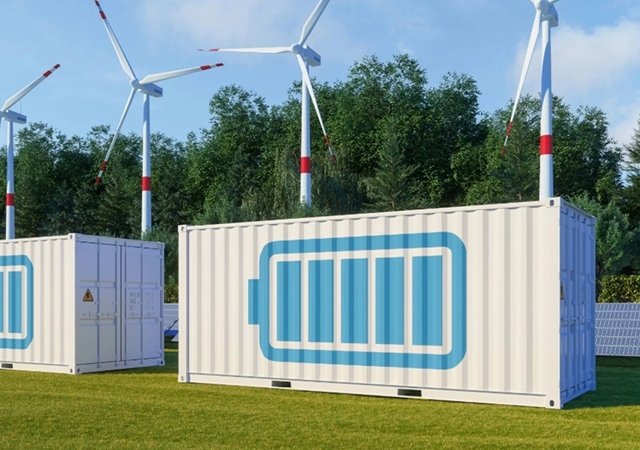












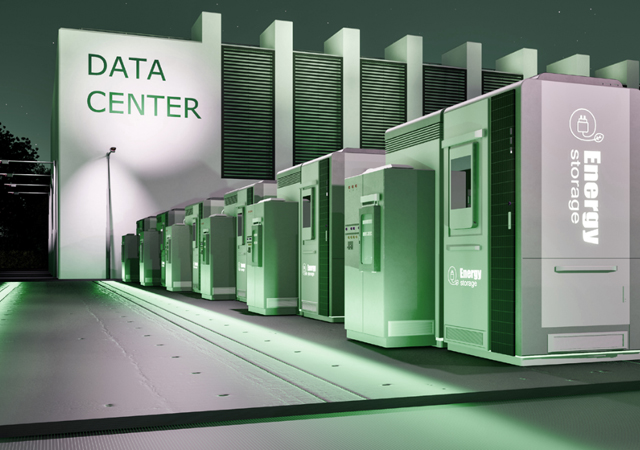









































Huawei FusionSolar, the smart photovoltaic (PV) and energy storage system (ESS) business brand under Huawei Digital Power, has introduced its cutting-edge smart string grid-forming energy storage system (ESS) platform, Luterra, which is claimed to be engineered to deliver industry-leading efficiency, streamlined installation, and plant-level grid-forming (GFM) capabilities.
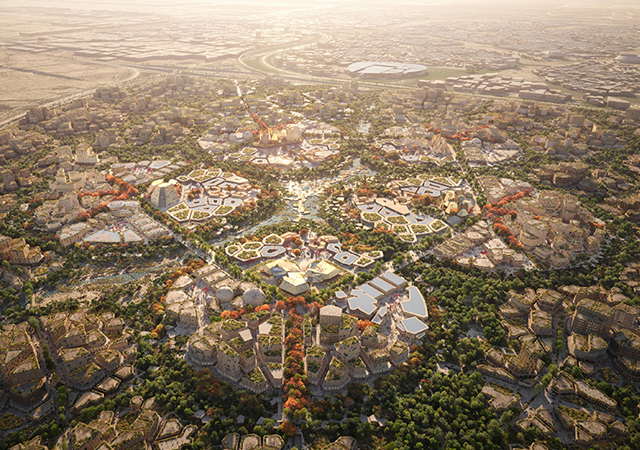
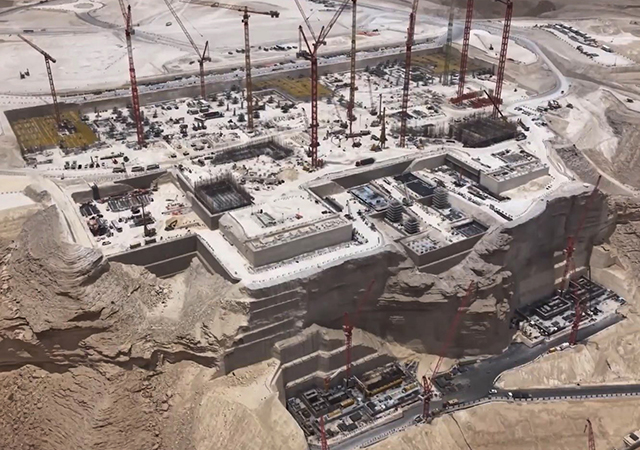
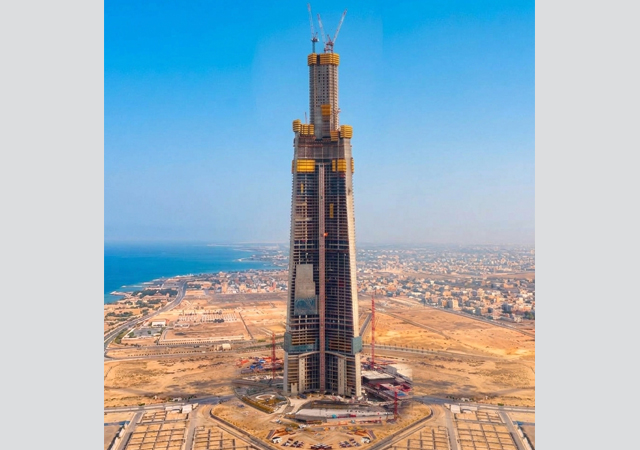
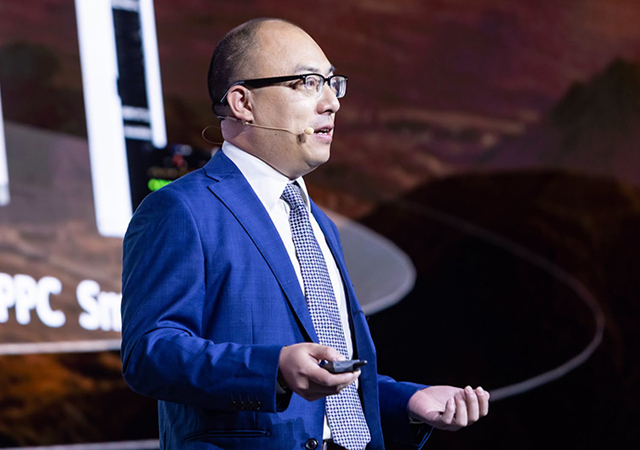
Unveiled by Steve Zheng, President of Smart ESS Business at Huawei Digital Power, the new platform addresses key operational challenges in modern energy storage, drawing on proven field experience from landmark regional projects such as Saudi Arabia’s Red Sea resort destination, which features what is considered to be the world’s largest 100 per cent renewable energy microgrid.
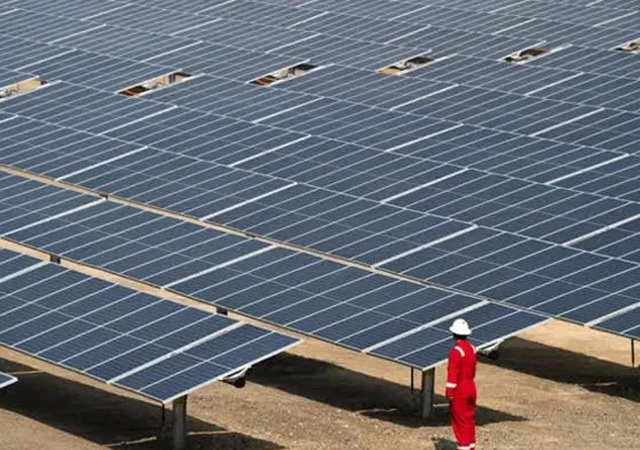
The Red Sea project, featuring 400 MW of solar PV alongside a 1.3 GWh battery energy storage system (BESS), has operated stably for over two years, proving that multi-site coordination of GFM energy resources is entirely feasible at a gigawatt-hour scale, says Huawei. While utility requirements vary, the Luterra platform is designed to bring increased revenues, higher throughput, and seamless solar integration to projects of all sizes across the globe, says Huawei FusionSolar.
Advanced Engineering and Efficiency
Achieving high efficiency and precise control requires an integrated approach across multiple engineering disciplines, including electrochemistry, electrical engineering, power electronics, thermodynamics, control technology, and prediction models.
Features such as its industry-leading round-trip efficiency (RTE), high-precision state of charge (SOC) control and cell-to-pack optimisation are achieved across multiple disciplines, Zheng says, “including electrochemistry, electrical engineering, electronics, thermodynamics, control technology, and prediction technology”.
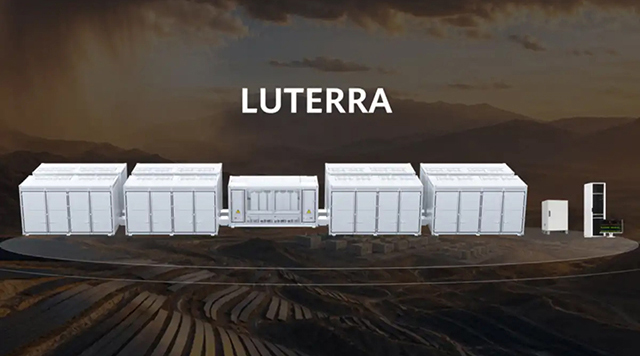
Luterra addresses key operational challenges in modern energy storage.
On the performance front, the Luterra platform achieves 93.1 per cent efficiency on the low-voltage side of the power conversion system (PCS) at a 25 degrees C ambient temperature, with SOC precision reaching 2.5 per cent at both ends and three per cent in the plateau.
The integrated design covers full cell-to-pack thermal management, liquid-cooling systems and high-voltage silicon carbide (SiC) switching architecture. The set-up offers unique performance advantages for long-duration energy storage (LDES) applications over other products on the market, the company states.
The Luterra platform features a dual-stage 1,000V AC high-voltage design, offering distinct safety and operational advantages for front-of-the-meter (FTM) utility renewable plants and commercial and industrial (C&I) storage deployments. During high-voltage ride-through (HVRT) conditions, it effectively manages inrush currents flowing between the grid and the PCS – particularly during low battery SOC states – mitigating insulation failure and safety risks. Furthermore, during low-voltage ride-through (LVRT) events, the dual-stage design maintains the constant active power necessary to assist rapid grid recovery during fault conditions. These advantages are not available in the single-stage architecture.”
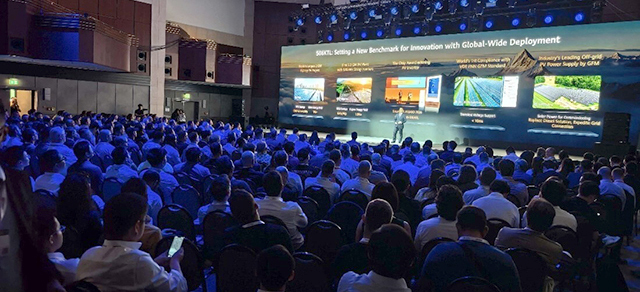
Luterra was launched at Intersolar Europe 2026.
The system employs a string architecture featuring an optimiser for each battery pack and a controller for each rack, actively managing electrochemical inconsistency across the entire lifecycle.
“In our next-generation solution, the AC voltage is increased to 1,000 V AC for the first time based on SiC components. This reduces system loss and improves efficiency. Our unique, intelligent, distributed cooling technology increases the heat dissipation area. In addition, high RTE, high consistency, high SOC level, and high availability are improving the solution’s throughput by more than 10 per cent compared with conventional solutions,” Zheng remarks.
While the technology is sophisticated, installation and logistics are designed to be as simple as possible, according to Zheng. In a 1GWh BESS plant, Luterra ESS Platform reduces delivery time by at least 30 per cent, balance of plant (BOP) costs by at least 20 per cent, and the footprint by 1 sq m for every megawatt-hour installed, compared to conventional solutions, he adds.
Zheng says these results are achieved with Huawei’s patented through-busbar architecture, which enables flexible installation, capacity expansion, and adaptive C-rates for charging and discharging throughout the project’s lifecycle.
Critical Role of Grid-Forming Technology
As the global energy transition accelerates, traditional fossil-fuel generation turbines are increasingly replaced by variable renewable energy (VRE) sources. While this shift drives decarbonisation, it removes the rotating mass historically relied upon to maintain grid frequency and voltage stability. Inverters equipped with GFM capabilities bridge this gap by providing essential grid services, including synthetic inertia, short-circuit ratio (SCR) support, and black start capabilities.
Huawei has defined six core grid-forming capabilities within its virtual synchronous generator (VSG) mode: inertia, short-circuit level, primary frequency regulation, power oscillation damping, black start, and seamless on/off-grid switching. Managing thousands of power electronics devices in GFM mode simultaneously presents significant technical hurdles, which Huawei has successfully navigated through sophisticated hardware-software collaboration in major projects across the Middle East, Europe, Asia, and China.
“We believe that the breakthrough of grid-forming technology at the plant level is critical,” Zheng says.
In a 100 MW BESS plant, there will be thousands of power electronics devices that must run in GFM mode. “It is technically challenging to ensure that these devices work together to stabilise the power grid through the collaboration of hardware and software,” Zheng says.
Huawei’s technology has also been used in large-scale grid-forming projects in other countries, including Germany, Bulgaria, the Philippines and China.
Huawei’s product roadmap prioritises array and system-level optimisation over isolated container metrics. By treating each array as the fundamental building block rather than pursuing higher power density in a single container, the company ensures optimal performance across the entire power plant.