




















 Oliver Ripley
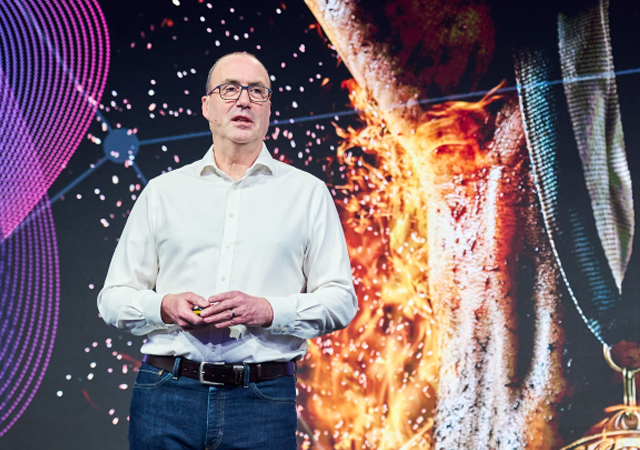
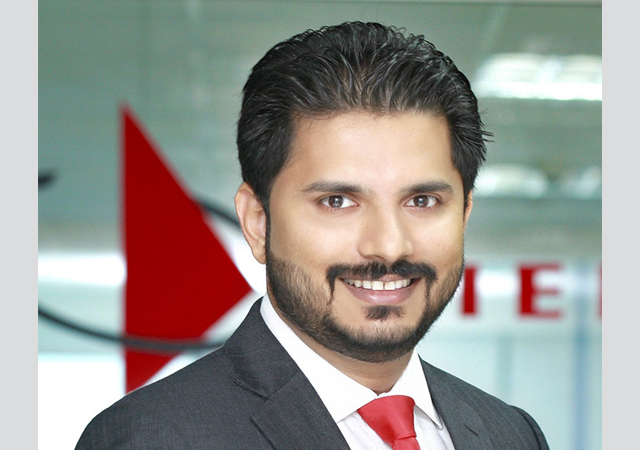
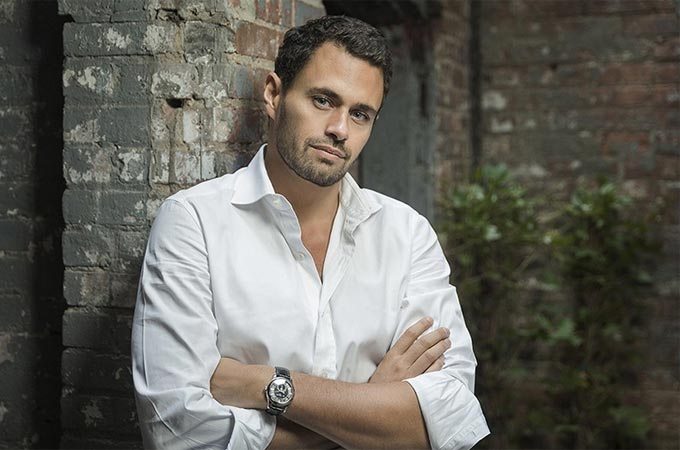
A new residential concept designed to ‘reimagine’ how people live has been launched by Oliver Ripley, the entrepreneur behind Habitas—the award-winning hospitality brand known for pioneering experiential and community-driven travel.
At a time when nearly 80% of adults under 40 rent, Sekra aims to redefine urban living in GCC, a statement said.
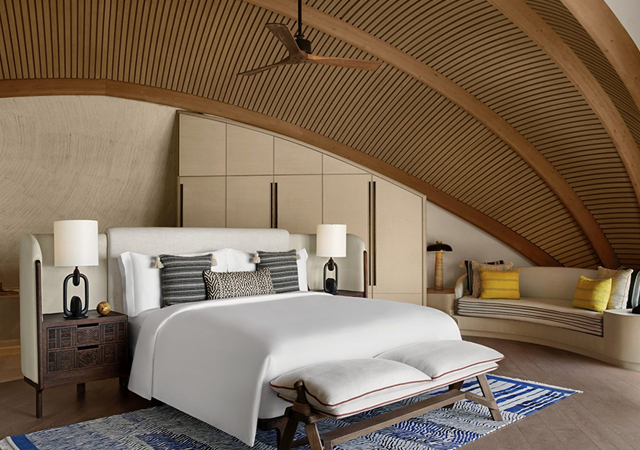
Built for the next generation of living, Sekra offers a distinct alternative that blends design-led, move-in ready homes with hospitality-inspired service, meaningful cultural programming, and seamlessly integrated technology. It’s a lifestyle-centric model anchored in human connection and everyday wellbeing, said Sekra.
Ripley, who will serve as Chief Executive Officer, has teamed up with Travis Kalanick, founder of Uber to launch the company as a board member and founding investor.
The company recently raised a $12.5 million seed round from one of the most distinguished investor groups across real estate and technology. The round was co-led by Fifth Wall—the largest investment firm focused on technology for the built environment, founded by Brendan Wallace—and 8VC, the venture firm founded by Joe Lonsdale, co-founder of Palantir. Wallace and Lonsdale are joined by an esteemed global cohort of strategic investors, including Jamie Reuben of Reuben Brothers, Mitchell Moinian of The Moinian Group, serial tech entrepreneur Divyank Turakhia, the family office of Prince Khalid Bin Talal Alsaud, Harvey Spevak of Equinox, and Patrick Finnegan of Second Sight Ventures amongst others.
Homes must offer sense of belonging
“We live in a time when people feel more disconnected than ever,” said Ripley. “Nearly 80% of young adults report feeling lonely at home, especially in the GCC where many residents are expats. This has real consequences for how we live and work. In a world where so much of our connection now happens through screens, most residential buildings are still designed around maximizing efficiency and isolation. Our homes should be the place where we feel a sense of belonging, community, and inspiration. But for too long, development has focused on maximising square footage instead of elevating the human experience. With Sekra, we’re building environments that foster meaningful friendships, wellbeing, self-development, and happiness in the places we call home.”
Remote work, AI, online dating, and social media have made people more isolated. At the same time, today’s rental market has not kept pace with how people want to live. Most buildings prioritise efficiency and generic amenities over intentional, experience-driven design. The majority of developers feel their job is finished when someone moves in, but that's when the real responsibility begins.
“Rental living is entering a new era, and Sekra is what the future looks like,” shared Wallace, CEO and Chief Investment Officer of Fifth Wall. “For years, the industry has talked about community, wellbeing, and experiential living, but few platforms have had the vision or operational rigor to execute it. Sekra is building something category-defining: a global brand rooted in hospitality, design, and real community. It’s a model that transforms the residential experience while creating meaningful value for owners and developers.”
Invisible technology
Technology is woven throughout the Sekra experience, not as a gadget layer, but as an invisible system that enhances comfort, connection, and wellbeing. Circadian and mood lighting, adaptive climate controls, and unified building-wide systems respond automatically to residents’ needs, creating environments that feel intuitive and human. The Sekra ecosystem centralises everything from paying bills to booking cultural programming, while also facilitating real moments of connection between residents. This seamless blend of design and technology enables buildings that are not only beautiful, but deeply responsible and community-oriented.
Sekra is intentionally curated to bring together residents who share values around creativity, wellbeing, and modern urban living. Each building is optimised for sleep and longevity, and cultural and wellness programming is designed to create a consistent, meaningful rhythm of experiences across the portfolio. Residents have access to an ecosystem of on-site experts, including building therapists, sexual wellness specialists, nutritionists, and longevity practitioners. This blend of hospitality, community, and mission-driven culture stands apart from traditional rental living. Sekra will also launch a dedicated impact initiative to support the local communities in which it operates.
“Multifamily real estate is one of the largest asset classes in the world, and we believe it's ripe for disruption,” stated Jake Medwell, Co-Founder & Partner at 8VC. “We think Sekra has the vision, business model, and team to execute.”
Sekra generates significant upside for asset owners and developers. By converting traditional rentals into branded, experience-led communities, Sekra achieves premium rents and lasting emotional loyalty amongst residents. On the asset management side, the approach supports long-term value creation, optimised rent performance, and stronger portfolio metrics.
Ripley brings a proven track record of building culturally resonant and operationally efficient brands. At Habitas, he launched and scaled the company to more than 12 hotels across four continents within five years and secured a pipeline of more than 20 additional properties. The brand earned global critical acclaim for redefining experiential travel and was recognised as one of the 20 Most Creative Companies in the World in 2024, alongside Hermes, Apple, and LVMH. Ripley is one of the leading innovators in the hospitality space.
Sekra applies these same disciplines and creative vision to residential living, aiming to create a global network of homes where life is not just sustained, but elevated every day.
The name Sekra draws inspiration from Egyptian mythology, uniting Sekhmet, the goddess of healing and protection, with Ra, the sun god and creator of the universe. Together, they symbolise balance, protection, wellbeing, and the harmonious union of masculine and feminine power, Sekra said. – TradeArabia News Service