





























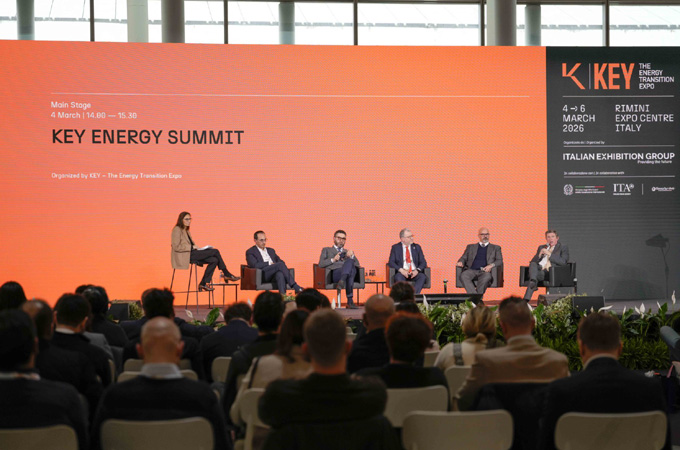
KEY - The Energy Transition Expo, the Italian Exhibition Group's (IEG) event of reference in Europe, Africa and Mediterranean basin on energy transition, ended on a successful note after three days of great exhibits, meetings, discussions and dialogues to map the new direction of the global energy future.
For another intense edition full of new developments with results exceeding expectations, the total attendance grew by 10%, with foreign visitors up by 9% and a strong presence of investors.
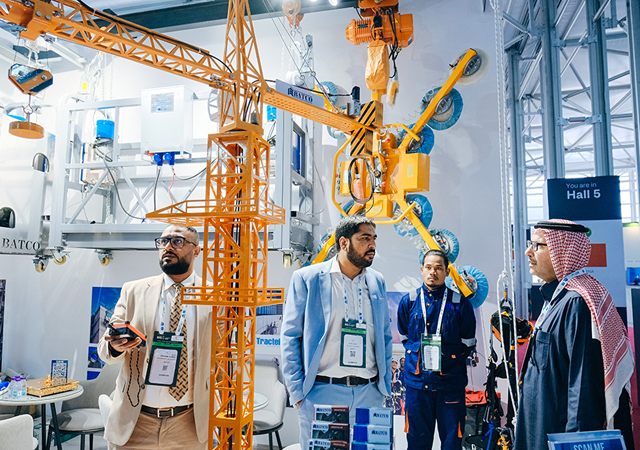
Covering 125,000 square meters of exhibition space and 24 halls, more than 1,000 exhibiting brands, of which 320 from abroad, showcased the most innovative products, solutions and technologies in the seven energy transition sectors.
530 hosted buyers and delegations from 59 countries were in attendance thanks to the support of the Italian Trade Agency (ITA) and the Ministry of Foreign Affairs and International Cooperation (MAECI). 412 journalists from around the world were accredited.
The event, which kicked off this week, was inaugurated by the Minister of Environment and Energy Security, Gilberto Pichetto Fratin, in the presence of senior officials.
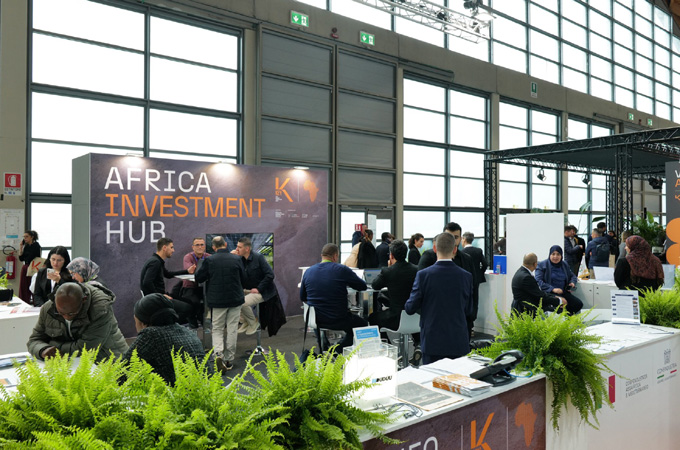
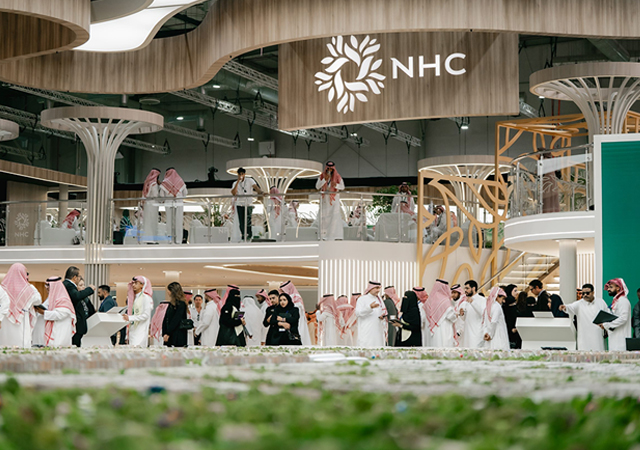
It showcased both European and non-European industrial and technological expertise with enormous enthusiasm throughout the entire Expo Centre while also promoting international cooperation, particularly with the African continent in the new Africa Investment HUB area.
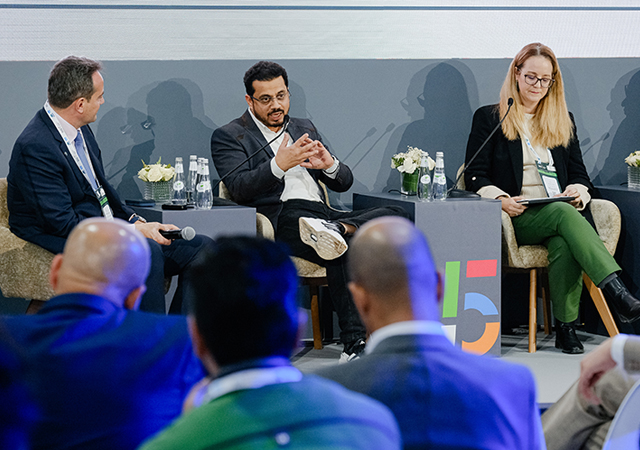
With 160 quality and rigorously scientific conferences, KEY 2026 confirmed its status as one of Europe's most important energy events, standing out due to the completeness of its exhibition and content. These include the importance of energy efficiency for decarbonization, storage, and the use of artificial intelligence to optimize electricity grids, predict energy production from renewable sources, and manage energy flows in real time.
A platform that has combined technological innovation and finance, promoting dialogue between engineers, technology developers, investors, and institutions with the aim of making projects bankable and accelerating their implementation, thereby reducing risk.
Among the requests that have emerged from associations and industries is the need to increase network flexibility and adopt clear rules that promote investment and competitiveness in order to transform the energy transition from a distant prospect into reality.