





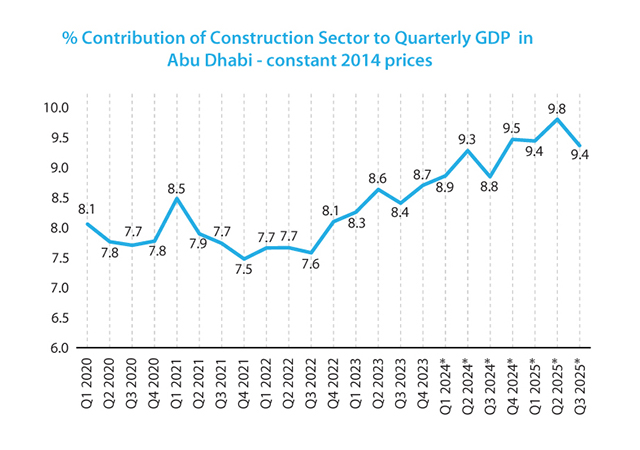
Abu Dhabi is building for the next generation. Over the past year, the emirate’s construction market has remained buoyant, propelled by its long-term economic diversification agenda under the UAE’s ‘We the UAE 2031’ vision and the Abu Dhabi Economic Vision 2030.
The emirate’s project pipeline spans world-class museums, entertainment attractions, transport infrastructure, utilities, industrial facilities and renewable energy developments, making it one of the region’s most broad-based construction markets. Government-backed developers such as Aldar, Modon, Miral, Abu Dhabi Ports Group and Masdar are working alongside Adnoc to sustain demand across multiple sectors.
As Abu Dhabi enters the next phase of its development, focus is shifting from building individual landmarks to creating integrated, resilient and future-ready communities. With a balanced pipeline spanning culture, transport, energy, housing and industry, the emirate is reinforcing its reputation as one of the Gulf’s most dynamic and strategically planned construction markets. This diversification has helped maintain construction activity despite fluctuations in global economic conditions.
According to a new sectoral study by the Abu Dhabi Chamber of Commerce and Industry (ADCCI), the emirate recorded more than 38,600 active construction licences by February 2026, with new business registrations up 66 per cent year-on-year in 2025 and active construction memberships climbing nearly 25 per cent over the same period. ADCCI Director General Ali Mohamed Al Marzooqi said the sector’s growth is now driven by "integration, quality, and certainty of delivery, not just scale", pointing to rising adoption of modular and prefabricated construction, low-carbon materials, AI-enabled project controls and digital delivery models.
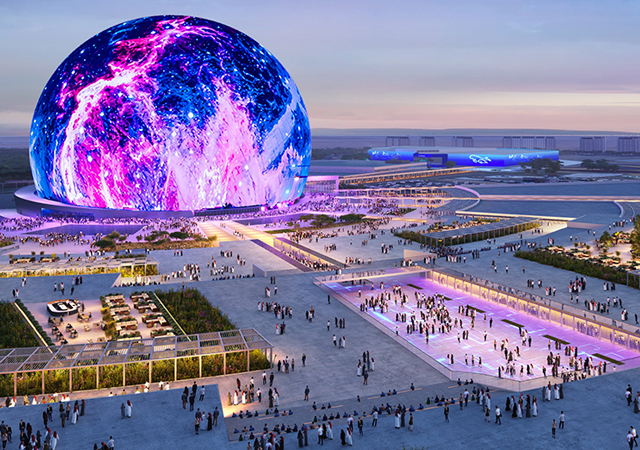
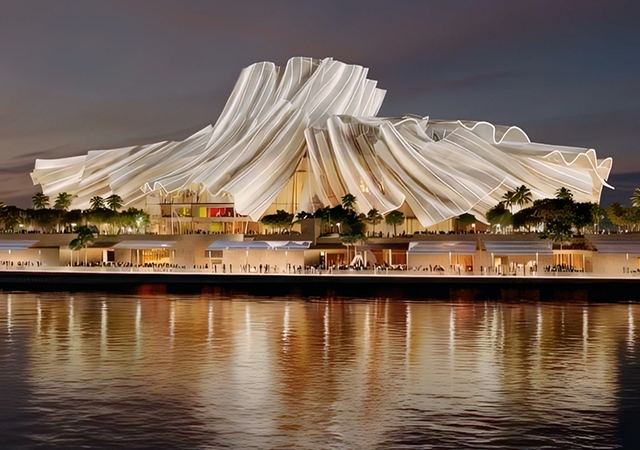
While energy developments dominate its projects pipeline, Abu Dhabi has made commendable efforts to boost its tourism infrastructure which have resulted in Yas Island being transformed into an international leisure and entertainment destination, while Saadiyat Island has established a reputation as a global cultural hub with its growing density of museum projects. The latest world-class destination announced for Yas Island was Sphere Abu Dhabi (see Page 26), following the launch of the Disney Abu Dhabi last year; while Saadiyat is expected to witness the much-anticipated opening of the Guggenheim Abu Dhabi on December 11 (see Page 13), following the inauguration of Natural History Museum Abu Dhabi last November and Zayed National Museum last December (see Page 30). Work has now been launched on Dar Al Funoun Abu Dhabi, a major performing arts centre (see Page 24).
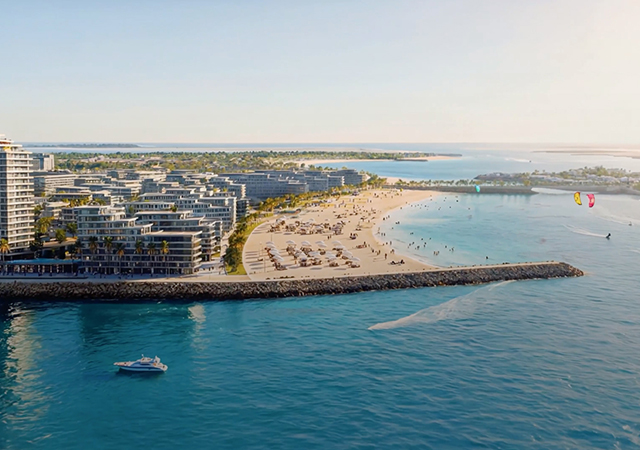
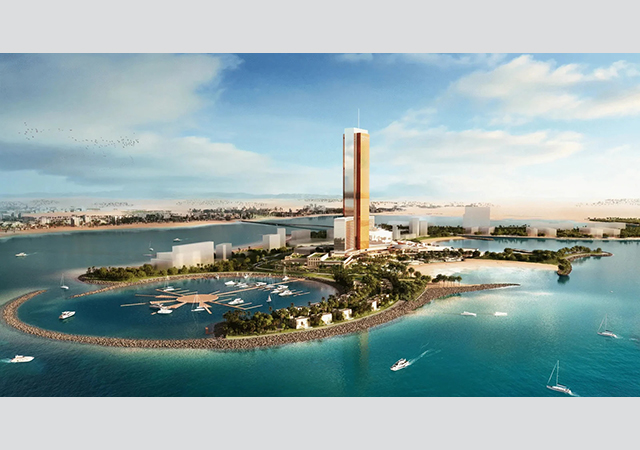
The building of these architecturally-stunning destinations, in turn, is fuelling demand for mixed-use and luxury developments, around Yas and Saadiyat. A case in point is the activation last month of the AED100-billion ($27 billion) Marsha Al Saadiyat project (see Page 28), on the heels of the launch of Yas Point, a landmark AED6 billion waterfront destination (see UAE Focus, Page 96).
Abu Dhabi’s near-term pipeline is led by energy developments alongside a growing cluster of data centres and advanced manufacturing facilities. Unlike previous real estate development cycles that were dominated by residential and commercial towers, the current wave of projects places greater emphasis on destination developments designed to strengthen the emirate’s position as a global centre for culture, tourism, sport and innovation.
CLUTURAL DESTINATIONS
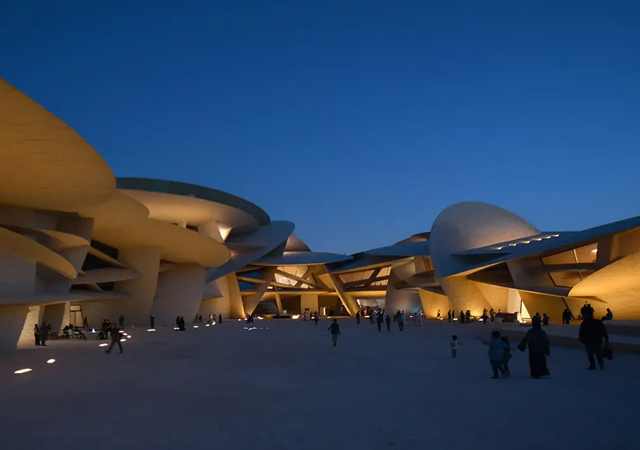
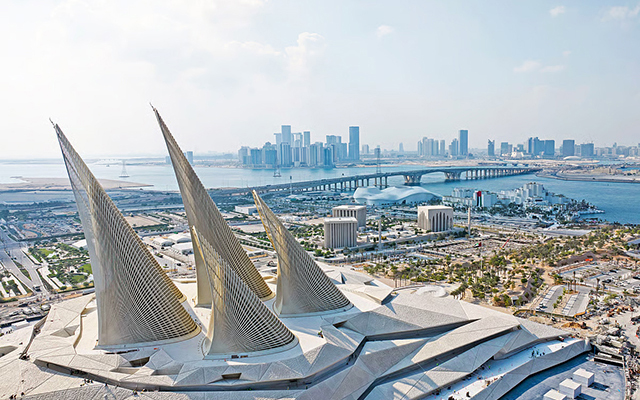
Saadiyat Island’s Cultural District has moved through what industry watchers are calling its busiest opening cycle to date. Following the launch of teamLab Phenomena Abu Dhabi in April 2025, the district saw the opening of the Natural History Museum Abu Dhabi – the largest institution of its kind in the Middle East which traces 13.8 billion years of natural history – in November 2025 and the Zayed National Museum – a memorial to the late Zayed bin Sultan Al Nahyan, the founding father and first president of the UAE, designed by Foster and Partners – on December 3, 2025. All these projects are being spearheaded by the Department of Culture and Tourism Abu Dhabi (DCT Abu Dhabi).
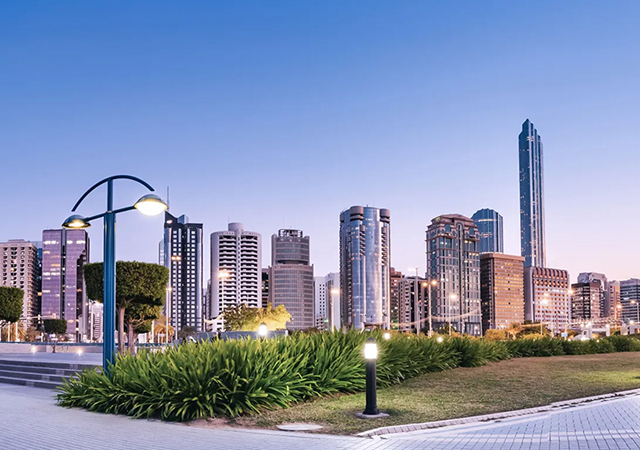
The current wave of real estate projects in Abu Dhabi focuses on destination developments designed to strengthen the emirate’s position as a global centre for culture, tourism, sport and innovation.
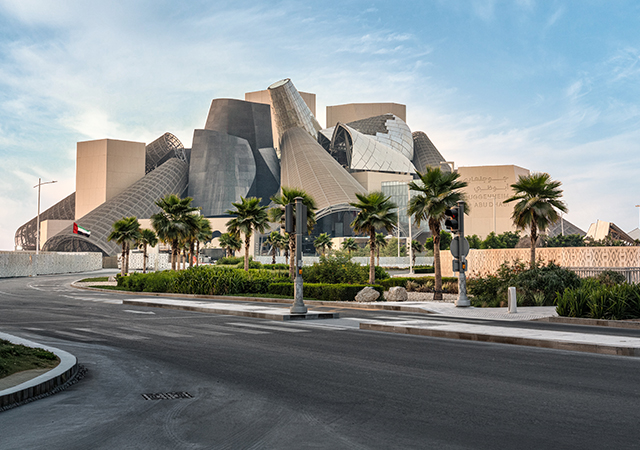
The Frank Gehry-designed Guggenheim Abu Dhabi, is now nearing completion with the opening date set at December 11. The 80,000-sq-m building is being built by a joint venture between BESIX Group subsidiary Six Construct and Trojan General Contracting.
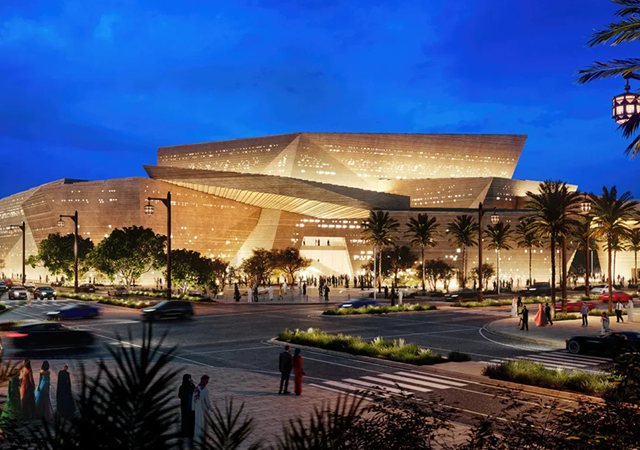
The emirate also formally launched construction of another Frank Gehry-designed museum Dar Al Funoon Abu Dhabi in late June, marking another milestone in the expansion of the Saadiyat Cultural District.
Beyond Saadiyat, Yas Island’s entertainment footprint continues to expand. Among the year’s biggest announcements was the award of a construction contract for Sphere Abu Dhabi. In May, ALEC Engineering and Contracting secured a $1.7 billion Letter of Award from DCT Abu Dhabi to build the entertainment hub on Yas Island.
Yas Island remains the centrepiece of the entertainment strategy of leading creator of immersive destinations and experiences Miral’s, with several projects progressing simultaneously. The announcement of Disney’s first theme park resort in the Middle East represents one of the largest tourism investments announced in the region in recent years. The destination at Yas Island will become Disney’s seventh global resort.
TRANSPORT INFRASTRUCTURE
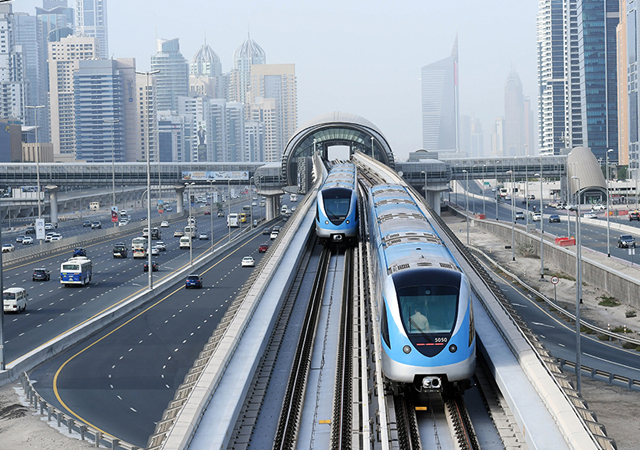
Rail has dominated Abu Dhabi’s transport construction narrative this year. Etihad Rail’s passenger network began commercial operations on June 30, 2026, with an inaugural route connecting Mohamed Bin Zayed City station in Abu Dhabi to Al Hilal City in Fujairah. Further stations are scheduled to open in phases, extending to Dubai and Al Dhaid by September 30, Al Dhafra by December 30, and Sharjah’s University City by March 2027. Once fully rolled out, the network will link 11 cities and towns across the UAE, with annual ridership projected at 10 million passengers.

Etihad Rail’s passenger network was launched on June 30, 2026, with an inaugural route connecting Mohamed Bin Zayed City station in Abu Dhabi to Al Hilal City in Fujairah.
The initial phase links Abu Dhabi and Fujairah in approximately 105 minutes, with trains operating at speeds of up to 200 km/h and accommodating around 400 passengers.
The passenger service builds on the successful rollout of the UAE’s national freight railway and is expected to stimulate economic activity, encourage tourism and reduce pressure on the country’s highway network. To provide seamless multimodal travel, Etihad Rail is working with Abu Dhabi Mobility’s Integrated Transport Centre (ITC) to integrate rail services with the capital’s wider public transport network, allowing passengers to connect easily with buses, taxis and other mobility services.
Etihad Rail has also highlighted the project’s contribution to local industry, with around 70 per cent of construction materials sourced through 97 UAE suppliers.
Construction also continued on the UAE-Oman Railway, a strategic cross-border project being developed by Hafeet Rail, the joint venture between Etihad Rail, Oman Rail and Mubadala. The 303-km railway will connect Sohar Port with the UAE’s national rail network, strengthening regional logistics, supporting freight movement and creating the foundation for future passenger services between the two countries.
Running alongside the conventional network, Etihad Rail has awarded design-and-build contracts worth around $6.5 billion to $8 billion for a high-speed line connecting Abu Dhabi and Dubai. The Abu Dhabi section has gone to a consortium of National Projects Construction, Trojan Tunnelling, Türkiye’s Kalyon and China State Construction Engineering Corporation, with US firm Jacobs as designer. The approximately 150-km first phase, running from Al Zahiyah in Abu Dhabi to Al Jaddaf in Dubai, is designed for a maximum speed of 350 km/h and would cut journey times between Yas Island and Dubai to around 30 minutes when operational in 2030.
Beyond conventional rail, Abu Dhabi continued positioning itself at the forefront of next-generation transport technologies. In November, the Abu Dhabi Investment Office (ADIO) unveiled plans to develop the emirate’s first network of more than 10 vertiports to support electric vertical take-off and landing (eVTOL) aircraft.
The initial network will be anchored by Zayed International Airport and Al Bateen Executive Airport, with additional sites and intercity routes to be announced during subsequent phases. Designed to integrate with the emirate’s wider transport system, the vertiports will support the future deployment of aerial taxi services and reinforce Abu Dhabi’s ambition to become a global leader in advanced air mobility.
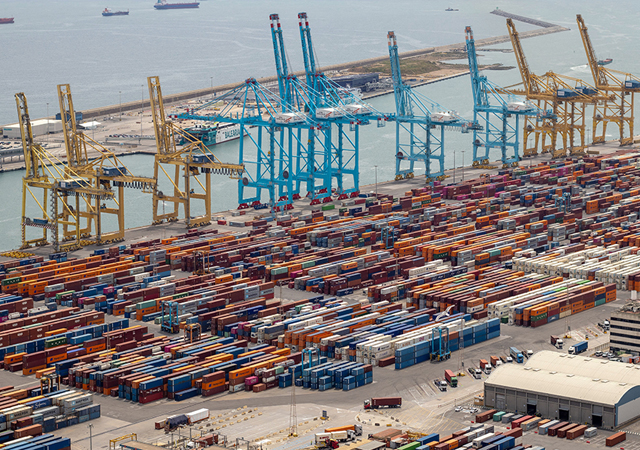
Meanwhile, Abu Dhabi Ports Group also continued expanding its maritime infrastructure, logistics zones and industrial facilities to accommodate increasing trade volumes and advanced manufacturing investment. These projects form part of a broader strategy to strengthen Abu Dhabi’s position as a regional logistics hub connecting Asia, Europe and Africa.
HOUSING
Government-backed housing delivery for Emirati citizens has continued at pace through 2026 under the Abu Dhabi Housing Authority (ADHA) and the federal Sheikh Zayed Housing Programme. HH Sheikh Khaled bin Mohamed bin Zayed Al Nahyan, Crown Prince of Abu Dhabi, approved a Dh4.21 billion housing benefits package ahead of Eid Al Fitr, covering 2,652 citizens through a mix of housing loans, ready-built housing grants, residential land grants and loan-repayment exemptions. A second package worth Dh1.54 billion followed ahead of Eid Al Adha, benefiting a further 1,074 citizens. Combined, ADHA said the two 2026 disbursements brought the year’s total housing benefits to Dh5.76 billion, part of more than Dh182 billion delivered to over 133,000 citizens since the authority’s establishment in 2012.
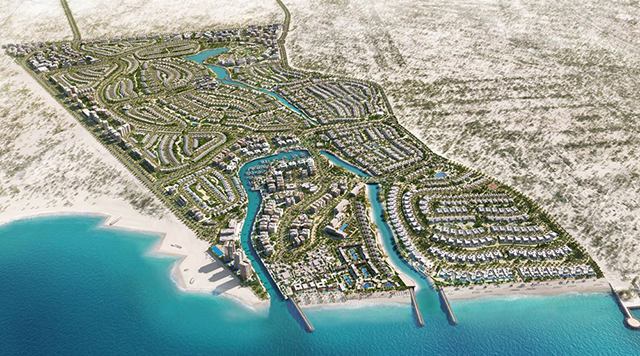
BAYN in Ghantoot is emerging as a major 4.8-million-sq-m coastal community.
Separately, the federal Sheikh Zayed Housing Programme issued 759 housing approvals worth Dh616 million in Abu Dhabi during the first quarter of 2026 alone, spanning grants, bank-partnered loans and government housing loans within residential complexes. On the delivery side, ADHA’s Bayti initiative continues to offer citizens a choice of 58 pre-approved architectural housing designs intended to standardise quality while shortening build timelines for private residential construction on citizen-owned land.
POWER & WATER
Supporting Abu Dhabi’s rapid urban growth is a substantial programme of investment in power generation, water production and transmission infrastructure. As electricity demand continues to rise, driven by population growth, industrial expansion, artificial intelligence, data centres and electrification, the emirate has focused on scaling up renewable generation and desalination capacity through the Emirates Water and Electricity Company (EWEC), the emirate’s sole procurer of power and water. EWEC revealed that it is increasing Abu Dhabi’s solar capacity by almost 2,000 per cent between 2020 and 2030, with a forecasted 17.5 gigawatts (GW) of installed capacity. By 2035, this capacity is projected to exceed 30 GW, at which point solar is expected to provide approximately 40 per cent of Abu Dhabi’s total power generation, said EWEC.
Among recent milestones, EWEC’s 1.5 GW Al Ajban Solar PV project is expected to reach commercial operation in late 2026, which would give the UAE four of the world’s largest single-site solar plants, three of them in Abu Dhabi. The other two are the 2 GW Al Dhafra Solar PV plant, which was inaugurated in 2023, and the 1.2 GW Noor Abu Dhabi in Sweihan.
EWEC has also received four competing bids for its Al Nouf 1 project, a planned 3.3 GW carbon-capture-ready combined-cycle gas turbine (CCGT) plant that would become the UAE’s largest single-site facility of its kind, paired with low-carbon reverse osmosis desalination. The plant is earmarked for commercial operations in Q3 2029.
Meanwhile, Abu Dhabi continued strengthening its transmission network through investments in high-voltage substations and grid modernisation programmes. These projects are designed to improve reliability while accommodating increasing volumes of renewable electricity entering the national grid.
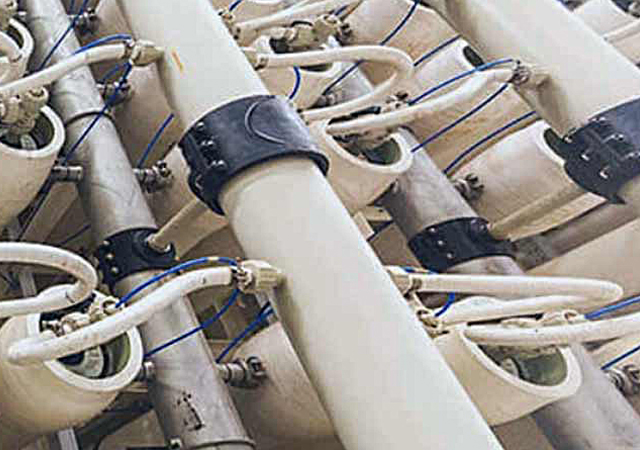
In the water sector, Abu Dhabi is progressively shifting towards reverse osmosis (RO) technology, which consumes substantially less energy than traditional thermal desalination processes.
EWEC is developing world-class, low-carbon reverse osmosis desalination plants to decouple water desalination from electricity generation. Several desalination schemes progressed during the year as part of the emirate’s broader strategy to improve efficiency, lower emissions and strengthen long-term water security. EWEC is forecasting a 30 per cent increase in desalinated water production by 2031, with new RO plants adding 1.32 million cu m of capacity per day and cutting the carbon intensity of water production by around 93 per cent.
OIL AND GAS
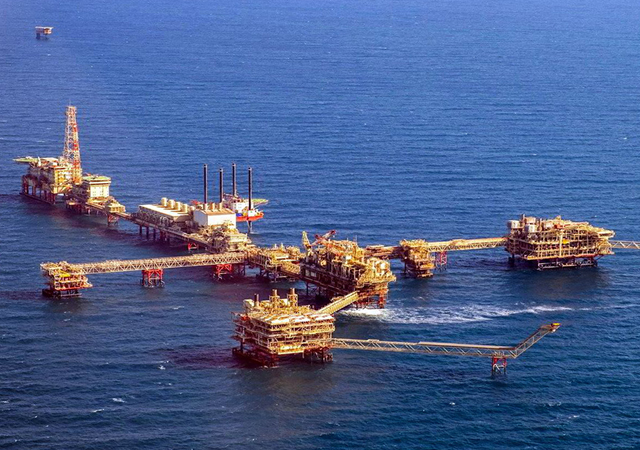
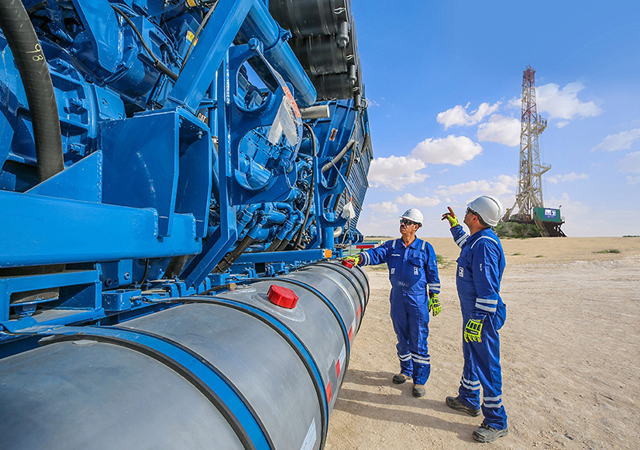
Hydrocarbons construction remains anchored by Adnoc’s Hail and Ghasha sour gas development, part of the wider Ghasha Concession offshore Abu Dhabi. The $17-billion project, in which Adnoc holds a 70 per cent stake alongside Eni and PTTEP, involves 10 unmanned artificial islands operated remotely from an onshore facility and targeted to deliver more than 1.5 billion standard cu ft of gas per day, alongside 1.5 million tonnes per year of captured CO2.
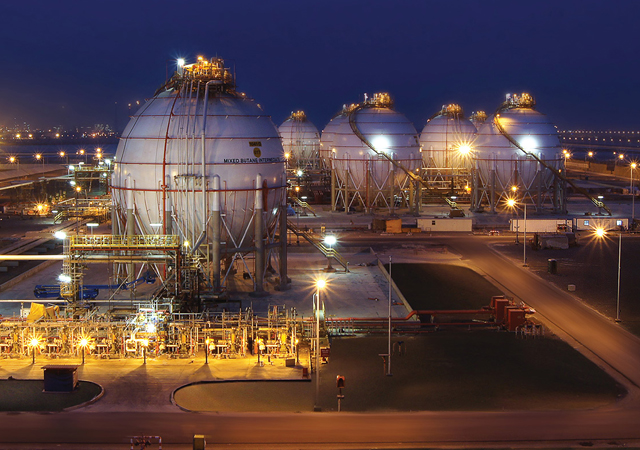
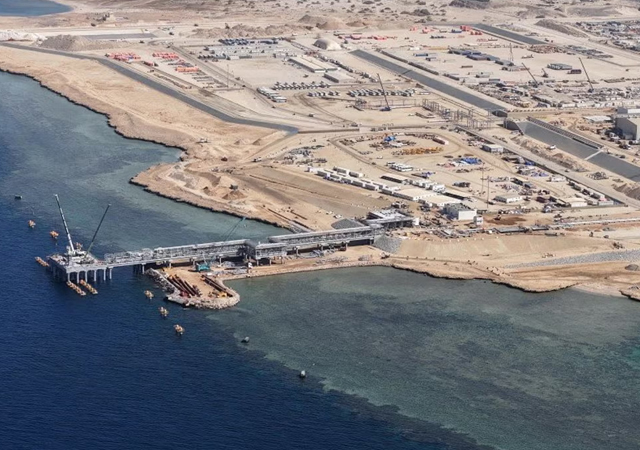
Adnoc continues to fund expansion at Ruwais Industrial City.
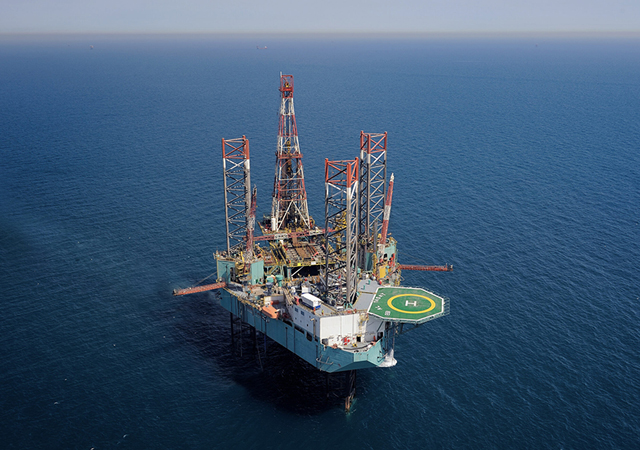
Elsewhere in the upstream portfolio, Adnoc continues to expand the offshore Upper Zakum field toward a 1.2-million-barrel-per-day capacity target, with Target Engineering Construction Company delivering the second phase of works under a $500-million EPC contract. The company has also sanctioned the first phase of its Rich Gas Development programme, a $5-billion initiative covering upgrades across the Asab, Buhasa and Habshan processing facilities and the Das Island liquefaction plant. A separate $600 million waste-heat recovery project at the general utilities plant in Ruwais is designed to generate up to 230 MW of electricity and more than 62,000 cu m of water per day from reclaimed heat, without additional CO2 emissions.
Downstream, Adnoc’s broader capital expenditure framework – exceeding $150 billion through 2027 – continues to fund expansion at Ruwais Industrial City, including the Ruwais LNG project, which is under construction and expected to more than double the UAE’s LNG production capacity from 2028. In May, Ta’ziz, Adnoc’s chemicals joint venture, announced financial close on $2 billion for the UAE’s first world-scale methanol plant at Al Ruwais, alongside a separate strategic collaboration with Alpha Dhabi Holding covering about $10 billion of prospective capital investment in the same industrial chemicals ecosystem.
Meanwhile, to address the current geopolitical situation, Adnoc is accelerating construction of a second crude export pipeline designed to bypass the strategically sensitive Strait of Hormuz, with the project now 50 per cent complete and targeted for delivery in 2027. The second pipeline will effectively double Adnoc’s export capacity through Fujairah on the UAE’s east coast, enabling larger volumes of crude to reach international markets without passing through Hormuz, through which around a fifth of global oil trade moves daily.
REAL ESTATE
Abu Dhabi’s real estate sector enjoyed another strong year, supported by sustained investor confidence, a growing expatriate population and increased international interest in the emirate’s lifestyle offering. Developers continued to launch premium residential projects across Yas Island, Saadiyat Island, Al Reem Island and other waterfront locations, while mixed-use developments increasingly combined residential, retail, hospitality and office components within integrated masterplans.
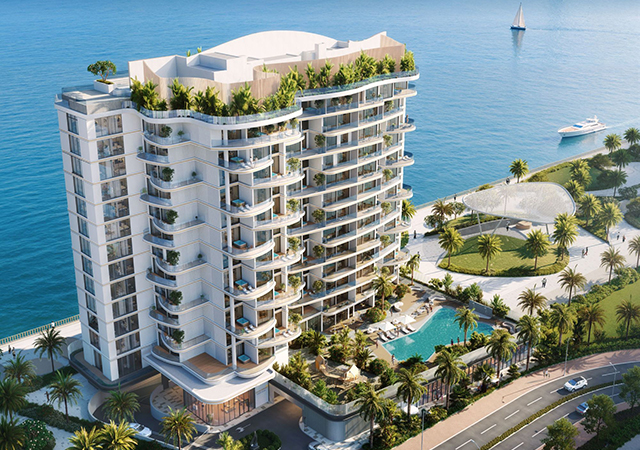
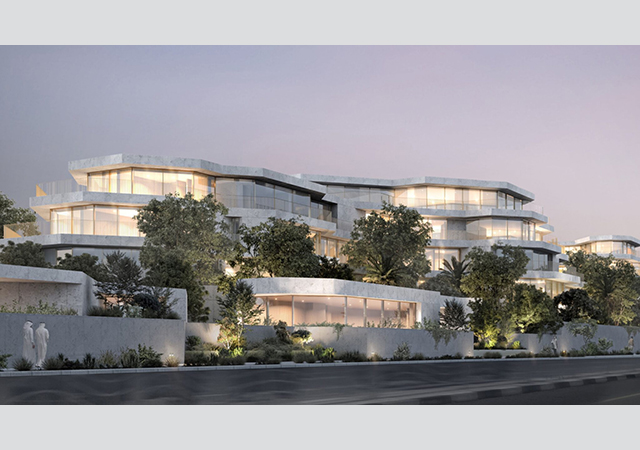
A notable trend during 2026 has been the continued growth of branded residences. High-end waterfront and island projects from Aldar, Sobha, Object 1, Mered, Four Seasons, Ohana and Reportage underscore continued demand for luxury and branded residential products. Projects associated with internationally recognised lifestyle and hospitality brands are commanding strong buyer interest, reflecting demand for differentiated products that combine luxury living with exclusive amenities and professionally managed services. Sustainability has become a defining characteristic of new developments, with developers are increasingly targeting Estidama Pearl ratings.
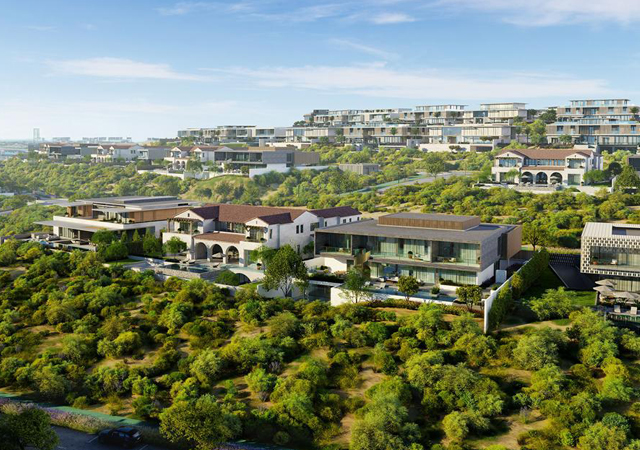
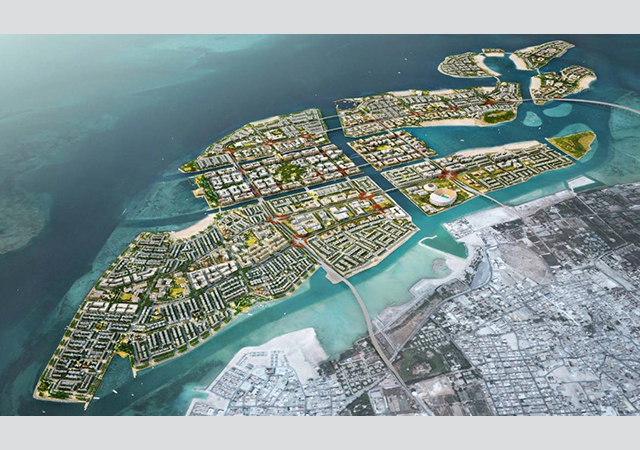
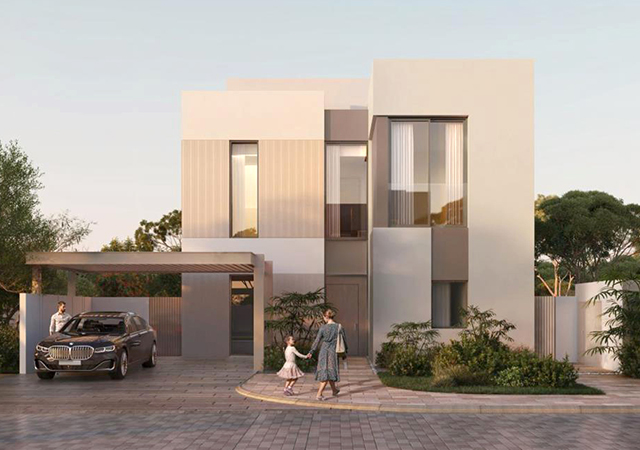
Modon is advancing villa communities such as Bashayer and Maysan on Hudayriyat Island.
Commercial construction has also benefited from Abu Dhabi’s efforts to position itself as a regional centre for finance, technology and advanced industries. Logistics and industrial real estate have likewise emerged as significant growth areas. Expansion at Kezad, Abu Dhabi Airports’ logistics corridors and Abu Dhabi Ports Group’s maritime facilities is creating demand for modern warehousing, distribution centres and manufacturing facilities.
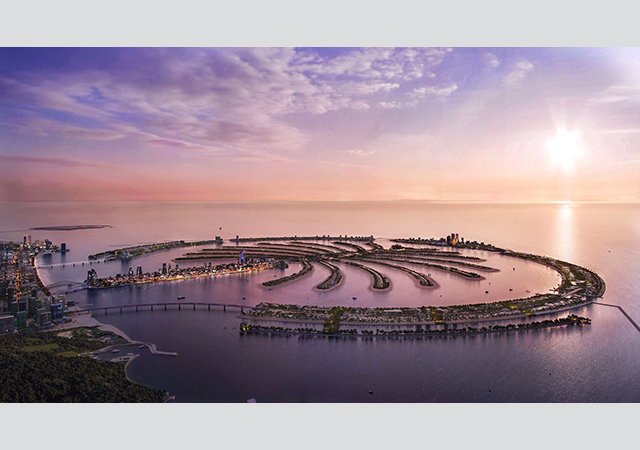
Among the largest developers in Abu Dhabi is Aldar, whose total portfolio now spans more than 105 developments across the UAE on a land bank exceeding 62 million sq m. Upcoming supply includes the phased rollout of the Fahid Island masterplan, an 11-km-coastline development between Yas and Saadiyat islands. With a gross development value of AED40 billion, the mixed-use development is expected to include 6,000 luxury residences, two hotels to support wellness tourism and luxury stays, a retail promenade and extensive green spaces.
Aldar has also joined the Abu Dhabi Department of Municipalities and Transport (DMT) to deliver new integrated communities spanning more than 20 million sq m across five strategic locations in Abu Dhabi.
Meanwhile, Aldar has framed Saadiyat’s cultural concentration as a draw for its adjacent luxury residential launches, including the recently released Baccarat Residences and Yas Point, a Dh6-billion waterfront development spanning 600,000 sq m that will include 1,600 branded residences and a five-star resort. This follows the April launch of Yas Park Place, a mid-rise residential community on Yas Island.
Other developers are also capitalising on this location. For instance, Reportage Group has broken ground on its premium residential development, SENSI, on Saadiyat Island.
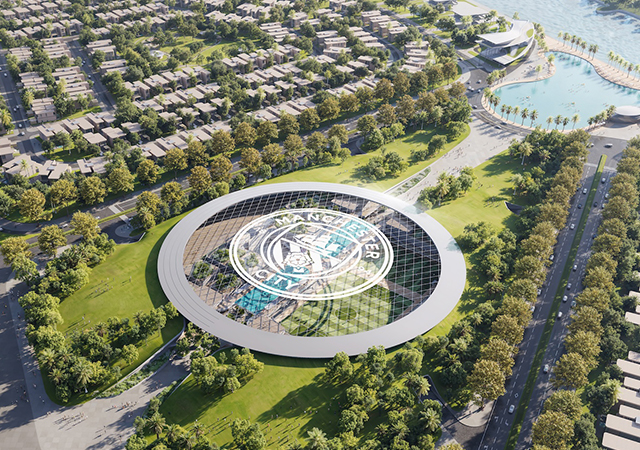
Manchester City Yas Residences by Ohana Development ... designed around the philosophy of elite athletic performance.
Elsewhere on Yas Island, residential development continued to support the growing tourism ecosystem. Among the year’s headline launches was Manchester City Yas Residences by Ohana Development. Designed around the philosophy of elite athletic performance, the premium waterfront development project incorporates wellness-focused amenities, landscaped public spaces and high-end residential architecture overlooking Yas Links Golf Course.
Another major project launch this year was made by leading luxury property developer Sobha Realty, which announced its entry into Abu Dhabi with the unveiling of Sobha City, a masterplanned community that reflects a deliberately quiet and serene approach to urban living in the UAE capital. Spanning 38 million sq ft, with an initial phase of around 8 million sq ft of land area, the development is envisioned as a ‘City within a city’ that will evolve into a fully integrated, self-sustained ecosystem.
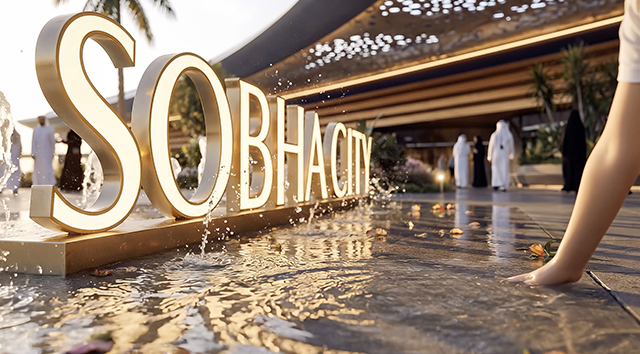
Sobha Realty has entered the Abu Dhabi market by unveiling Sobha City, which will span 38 million sq ft.
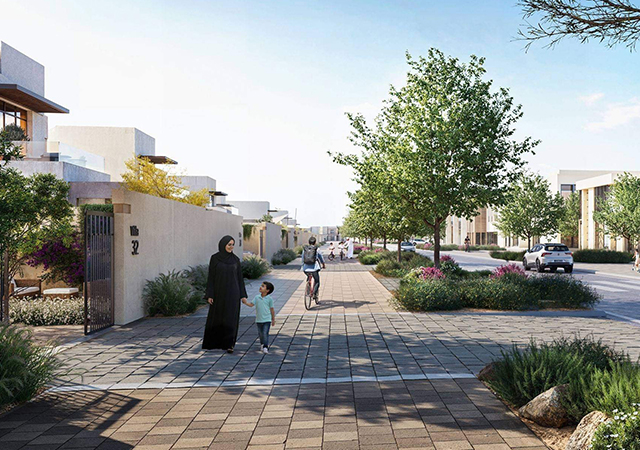
Designed for family-oriented living, Sobha City is located close to Zayed International Airport and Yas Island and will unfold as a low-density, nature-led city.
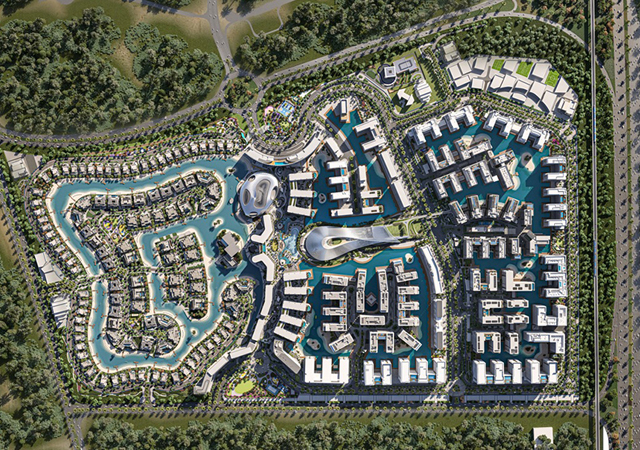
Meanwhile, ORA Developers’ BAYN is emerging as a major 4.8-million-sq-m coastal community in Ghantoot, within the Dubai-Abu Dhabi growth corridor, with AtkinsRéalis appointed for masterplanning, infrastructure and public realm design
Other major developers include Modon which continues to be a major force in the capital, awarding large villa contracts on Hudayriyat Island and advancing communities such as Bashayer and Maysan.