




























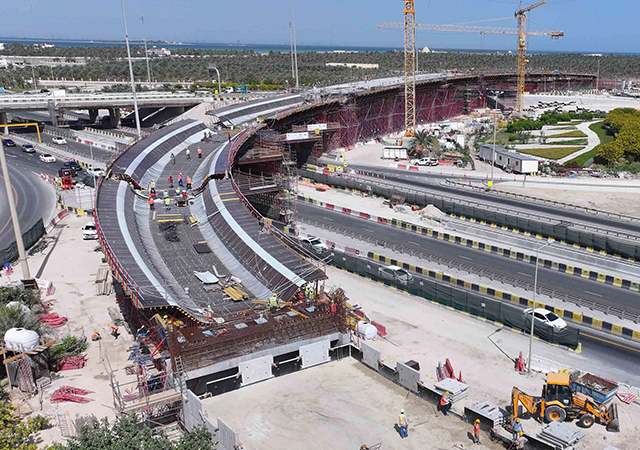
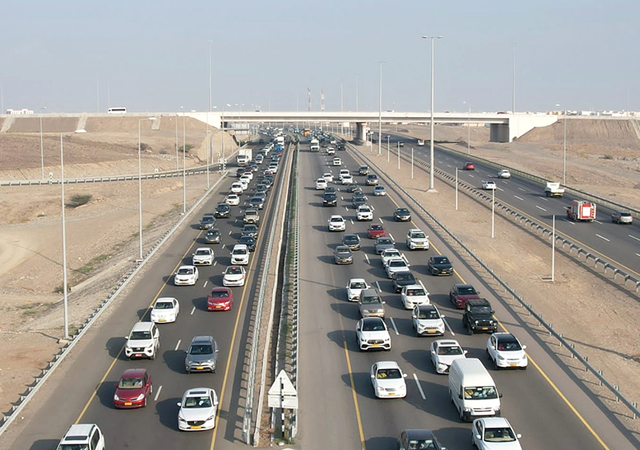

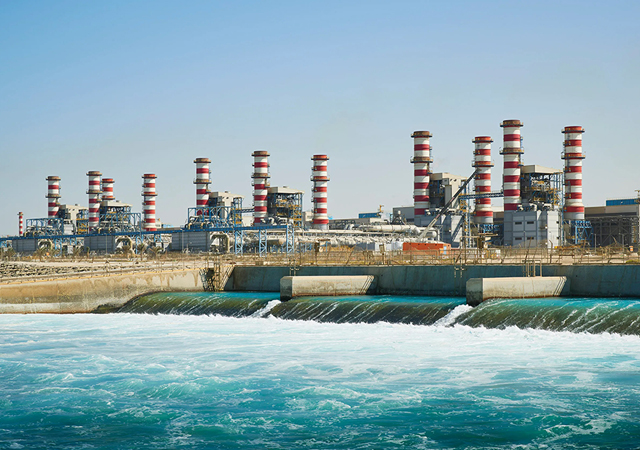




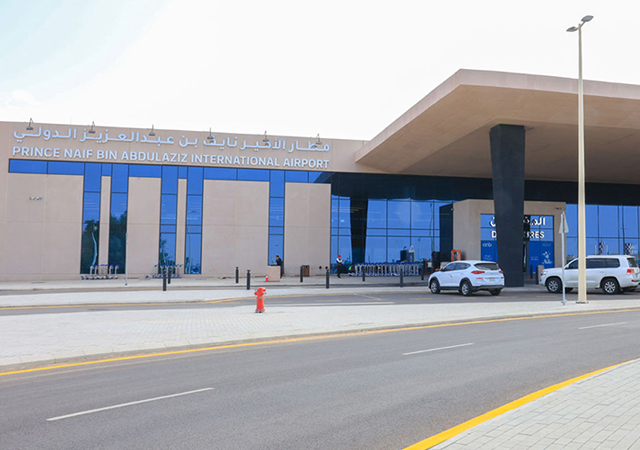



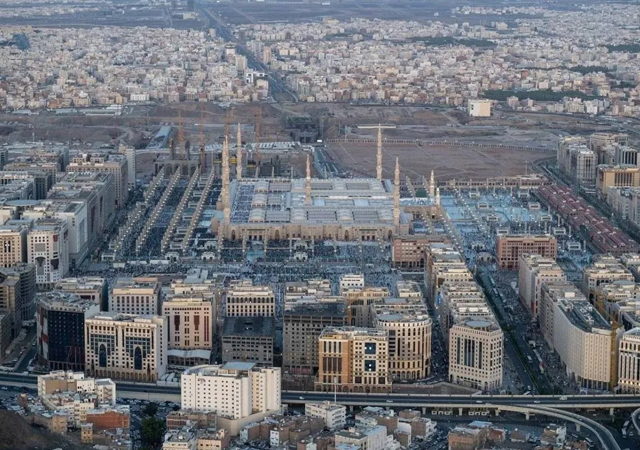


























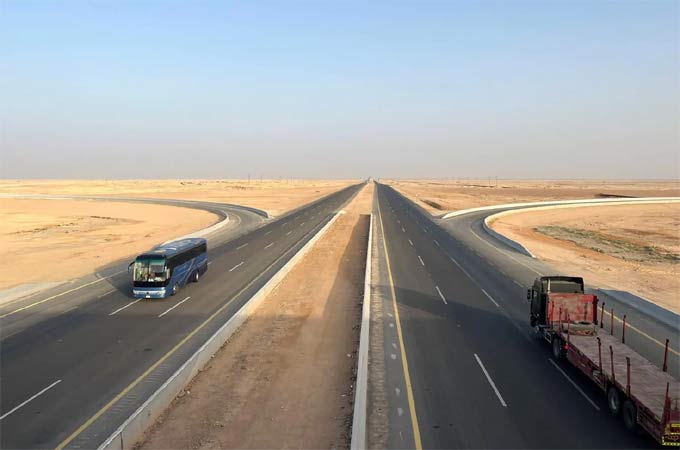
 The 1,700 km highway. Image courtesy: SPA
Saudi Arabia’s Northern International Highway continues to serve as one of the Kingdom’s most strategically important transport corridors, reinforcing regional trade links and cross-border mobility across the Middle East and beyond.
Stretching more than 1,700 km, the highway is among Saudi Arabia’s oldest international land routes and one of the main arteries in the Kingdom’s road network, connecting Gulf Cooperation Council countries with Jordan, Syria, Lebanon and Türkiye before extending westward toward Europe, said a Saudi Press Agency report.
The route plays a critical role in the movement of passengers and freight, carrying millions of travellers each year along with large volumes of transit cargo, particularly trucks moving between GCC states and neighbouring countries. Its importance has grown with rising regional trade and logistics demand, making it a key channel for overland commerce.
The highway also links numerous Saudi cities, governorates, towns and villages through several branches that connect with other major roads, strengthening internal mobility while supporting international connectivity.
Saudi authorities have continued upgrading the route to meet high standards of safety and quality, in line with the Roads Sector Program under the Kingdom’s National Transport and Logistics Strategy, which aims to position Saudi Arabia as a global logistics hub.
Originally established in 1950 as a gravel and dirt track, the road was paved in 1967 to support the Trans-Arabian Pipeline project, which linked eastern and western parts of the Kingdom. Over the decades, it has evolved from a service route into a vital economic corridor underpinning transport, trade and development.
The road begins as two dual carriageways originating from Riyadh and Dammam, which converge in Hafr Al-Batin Governorate. It then continues north toward Rafha Governorate, where a largely dual-carriageway branch extends toward Hail for nearly 300 km.
The international route then continues north through the governorates of Al-Uwayqilah, Arar, and At-Turaif, reaching Al Hadithah Port with Jordan. From there, it extends into the Jordanian capital, Amman, with additional links leading onward to Syria, further reinforcing the region’s role as a key international corridor for transport and trade.
Through its strategic plans, the Roads General Authority continues to advance Saudi Arabia’s road network in line with the Roads Sector Program, focusing on enhancing road quality, improving traffic safety, and optimizing traffic flow. These efforts aim to position the Kingdom sixth globally in the Road Quality Index and reduce road fatalities to fewer than five per 100,000 people by 2030, the report added.