


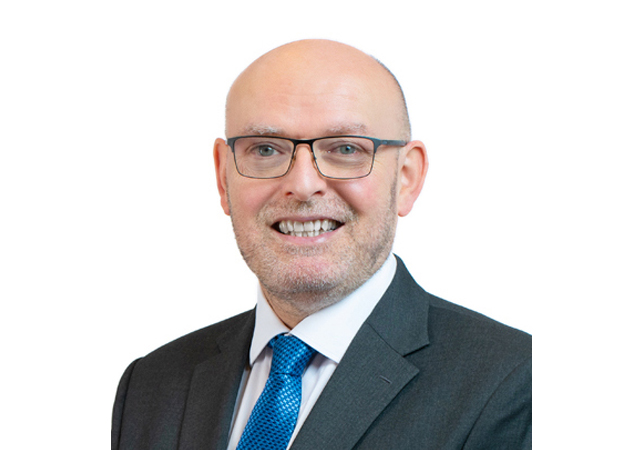


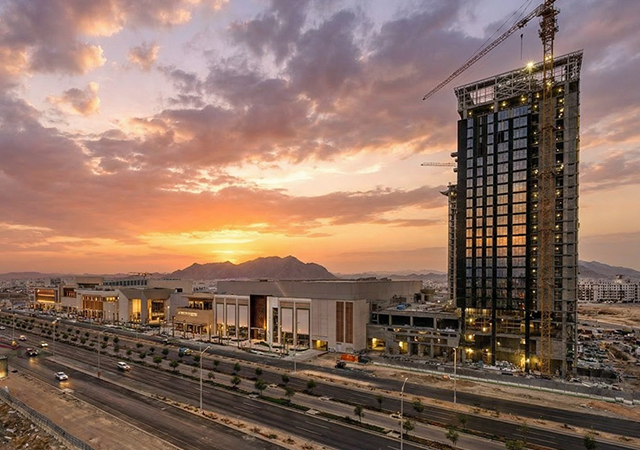
Knowledge Economic City (KEC), the developer behind a 6.8-million-sq-m masterplan within Madinah’s sacred boundaries, is advancing construction across its five flagship districts as it prepares for the next major milestone in the mega development – the opening of Multaqa AlMadinah Mall, Chief Executive Dr Moath Al-Yahya tells Gulf Construction’s Bina Goveas in an exclusive interview.
The development currently has more than 11,000 hotel rooms in the pipeline, while several key destinations are progressing through construction, sales and opening phases, he says.
Located about 5 km from the Prophet’s Mosque and 8 km from Prince Mohammed bin Abdulaziz International Airport, the masterplan is designed to accommodate around 200,000 residents and deliver 42,000 hotel rooms, alongside schools, retail, hospitality and cultural facilities.
“We don’t think of ourselves as a conventional real estate developer; we are a destination developer building a city within a city,” Al-Yahya remarks.
The SAR3.4-billion ($892 million) company, listed on the Saudi Exchange (Tadawul) and regulated by the Economic Cities and Special Zones Authority, sees the development as a means of adding permanent economic and social capacity to Madinah. The recently approved regulations permitting non-Saudi ownership in KEC’s designated zone are also expected to broaden its potential investor and end-user base.
The masterplan is being developed through complementary districts rather than as a collection of standalone projects. These include the residential communities of Al Alyaa and Dar Al Jewar, the transit-oriented Madinah Gate, the Islamic World District and the Multaqa AlMadinah leisure and lifestyle destination.
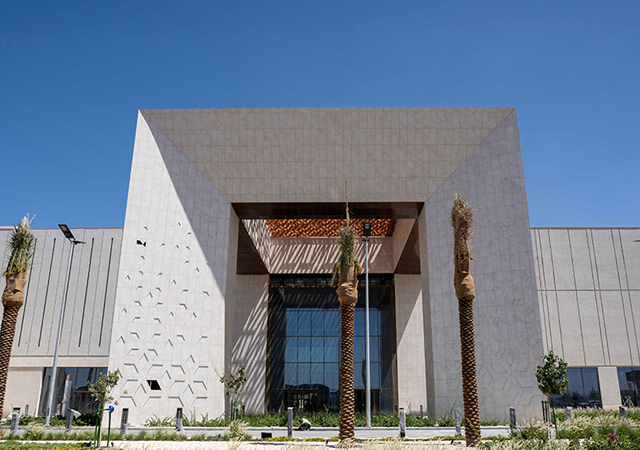
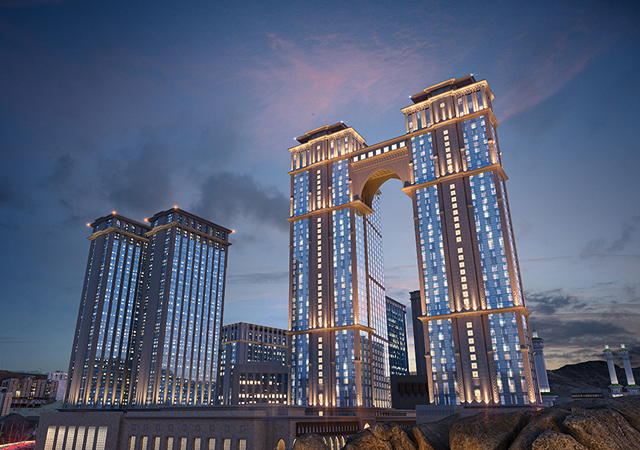
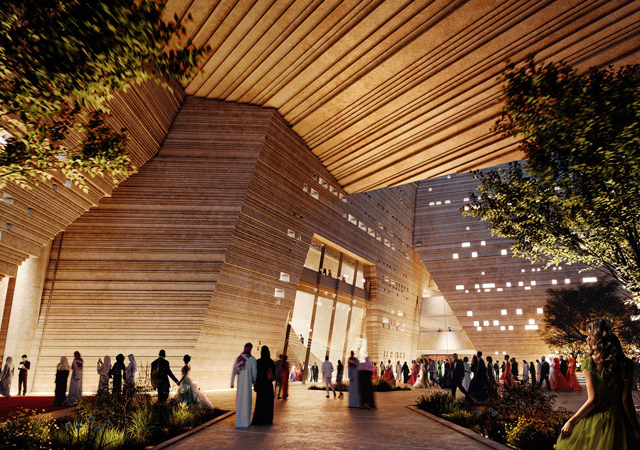
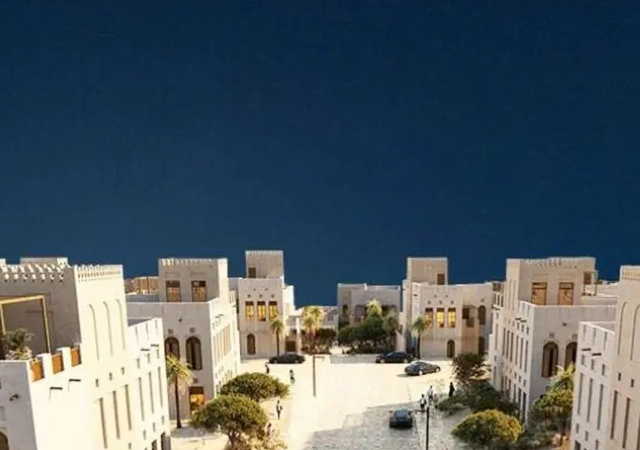
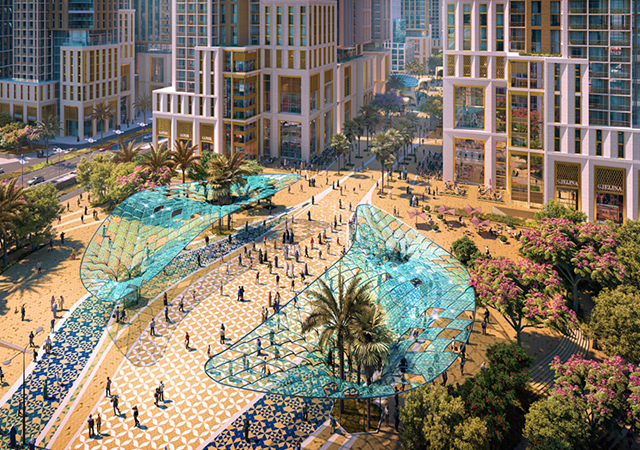
Timeless heritage meets forward-looking architectural design at KEC.
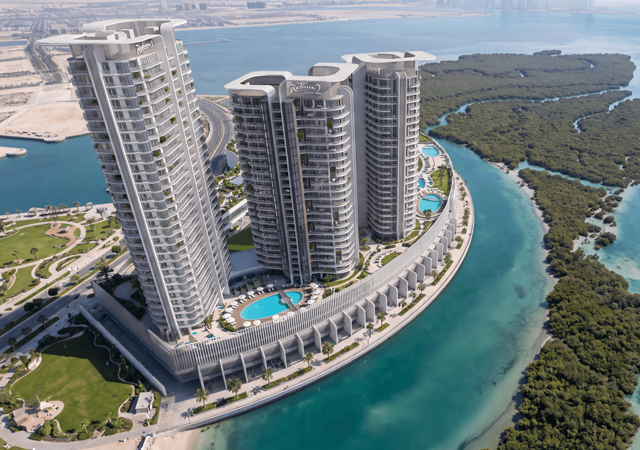
Al Alyaa, KEC’s flagship residential community, extends across approximately 269,000 sq m and comprises 1,490 premium residential units, a 144-room Hyatt Centric hotel, 480 Hyatt House serviced apartments, an international school operated by Riyadh Schools, retail space and landscaped public areas. Construction is advancing across the development, with selected buildings having reached 100 per cent structural completion.
Madinah Gate is being positioned as the arrival point for the wider KEC destination and as “the kingdom’s first transit-oriented development”. Located directly on the Haramain High-Speed Railway, the project combines transport infrastructure with hospitality, retail and public space. Phase One includes 23,000 sq m of gross leasable retail area, a 325-room DoubleTree by Hilton hotel and a bus station designed to handle 780 passengers per hour.
“High-speed rail concentrates arrivals at a single point, creating an opportunity to turn transport infrastructure into a genuine destination,” he says. “Madinah Gate is designed for that outcome.”
Islamic World District is KEC’s flagship hospitality-led mixed-use development, spanning roughly 980,000 sq m and targeting around 20,000 hotel rooms when fully developed. The project’s first two clusters are now under construction through the Islamic World District Fund, a Shariah-compliant investment fund managed by Sidra Capital.
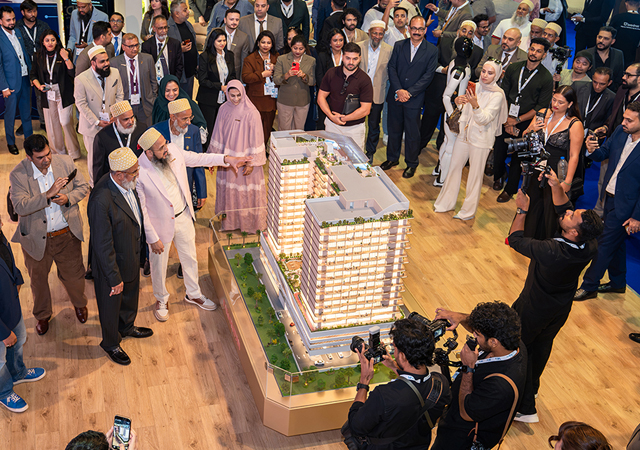
Multaqa AlMadinah is being developed as a leisure and lifestyle destination combining hospitality, branded residences, entertainment, sport, retail and dining. A development agreement with Alrashid Properties for Multaqa Residences forms part of KEC’s strategy of bringing specialist partners into individual components of the masterplan. Development costs are estimated at around SAR2.6 billion excluding land, with proceeds above an agreed reference cost to be shared between the parties.
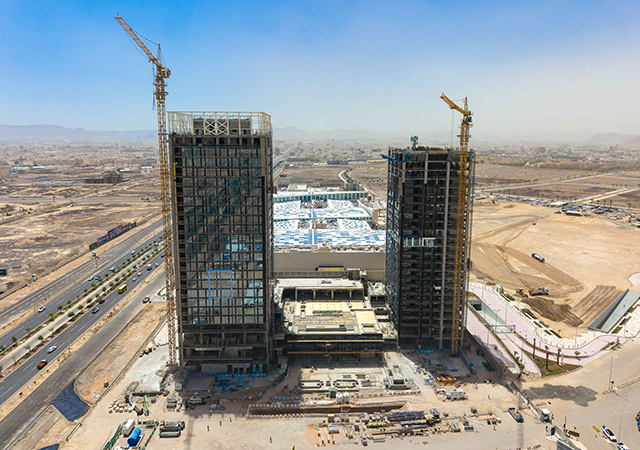
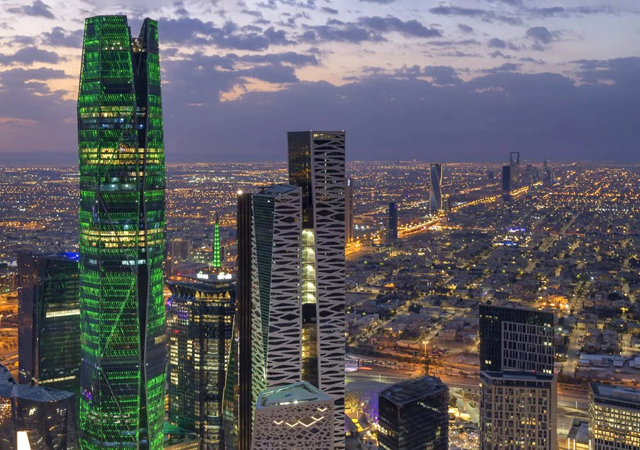
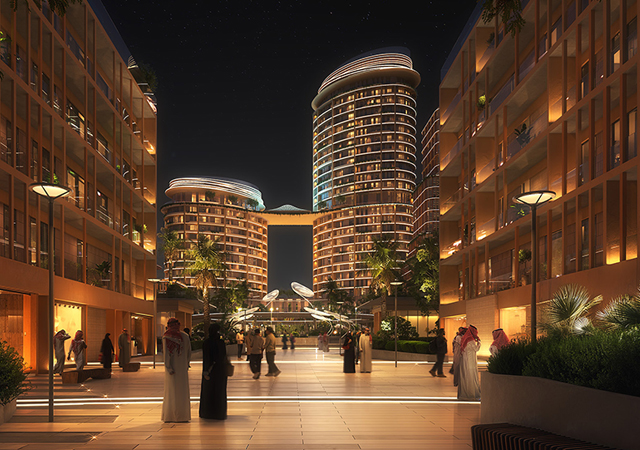
Step by step, Knowledge Economic City is coming to life.
Dar Al Jewar, one of KEC’s earliest completed residential developments, provides an established community within the wider masterplan.
Al-Yahya points out that KEC’s strategy ultimately extends beyond the delivery of individual real estate assets.
“Building in Madinah carries a responsibility that is not primarily commercial,” he comments. “Millions of people come here every year for reasons that have nothing to do with real estate, and what we build shapes an experience that matters deeply to them.”
The company’s wider objective is to leave Madinah with additional permanent housing, employment, hospitality capacity and public spaces, with Al-Yahya stressing that progress should be measured through sustained delivery.
Excerpts of the interview with Dr Moath Al-Yahya, CEO of Knowledge Economic City (KEC):
What is the overall scope and development vision for Knowledge Economic City (KEC), and what are the key priorities for 2026?
Knowledge Economic City is a large-scale, mixed-use development in Madinah, conceived as a destination that serves both the city’s residents and the millions who visit each year. We don’t think of ourselves as a conventional real estate developer; we are a destination developer building a city within a city. The purpose is to give Madinah permanent economic and social capacity: housing, hospitality, retail, culture and knowledge-sector employment, developed together as one integrated urban environment.
The masterplan spans 6.8 million sq m inside Madinah’s sacred boundaries, positioned on the primary growth corridor that links Prince Mohammed bin Abdulaziz International Airport, the Haramain High-Speed Railway and the destinations along King Abdulaziz Road, roughly 5 km from the Prophet’s Mosque and 8 km from the airport. That location is not incidental; it is the strategic backbone of everything we build. At full development, the masterplan is designed to accommodate around 200,000 residents and to deliver 42,000 hotel rooms across the three- to five-star range, alongside international schools, retail and global brands, all while honouring the sanctity and heritage of the city.
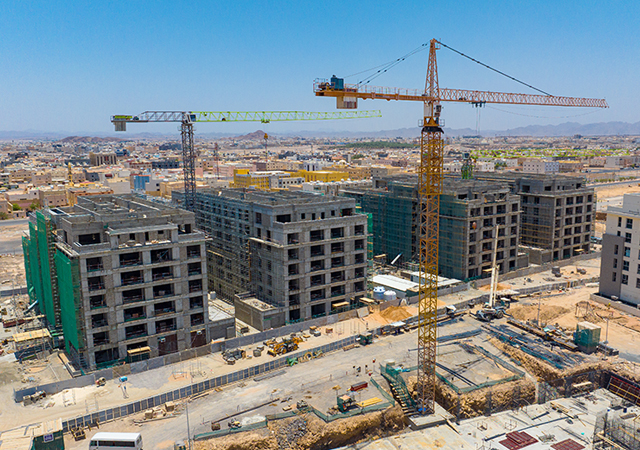
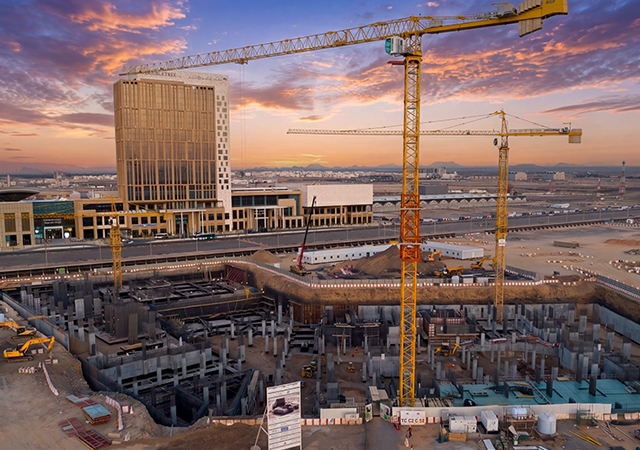
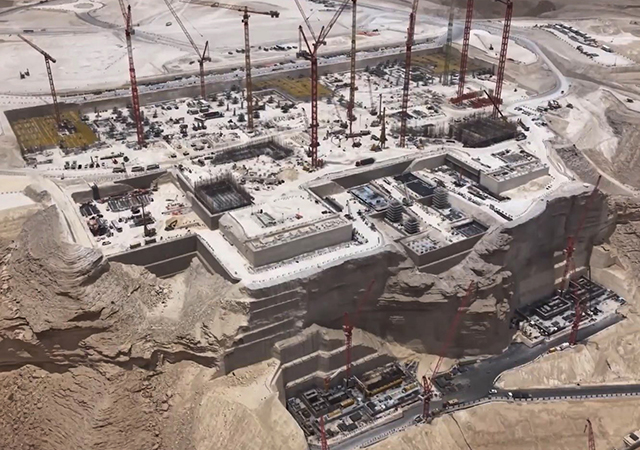
Work advances on the major mixed-use developments within Knowledge Economic City.
KEC is a company with a paid-up capital of SAR3.4 billion, listed on the Saudi Exchange (Tadawul) and regulated by the Economic Cities and Special Zones Authority. That structure makes this a long-term urban development platform for Madinah rather than simply a standalone project. KEC is also an approved zone in which eligible non-Saudi buyers may own property under the recently approved regulations, widening the potential base of international investors and end-users.
Explain how Al Alyaa, Madinah Gate, the Islamic World District, Multaqa AlMadinah and Dar Al Jewar fit within the wider masterplan?
These five components are not parallel projects. They are complementary districts within the wider masterplan, each with a distinct function.
Madinah Gate is the arrival point, the kingdom’s first transit-oriented development, positioned directly on the Haramain High-Speed Railway, and the threshold through which a large share of visitors enters the city. It pairs transport infrastructure with hospitality – 325 hotel rooms operated by DoubleTree by Hilton – retail and public realm.
The Islamic World District is the cultural and hospitality heart. It translates Madinah’s significance to the wider Islamic world in a physical destination comprising accommodation, cultural programming, retail and public space.
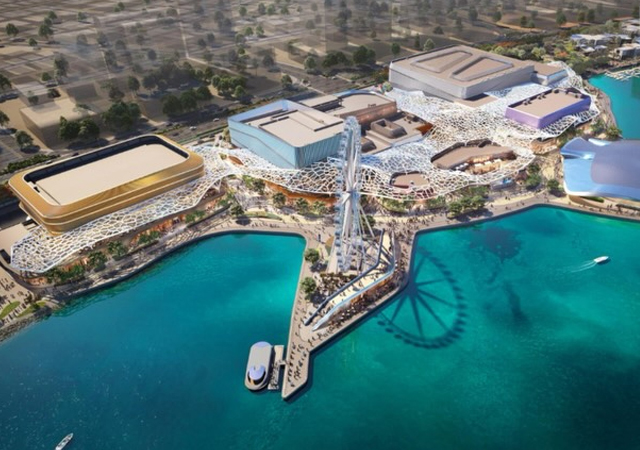
Multaqa AlMadinah is the first leisure and lifestyle destination in Madinah, bringing hospitality, branded residences, entertainment, sport, retail and dining into one connected destination.
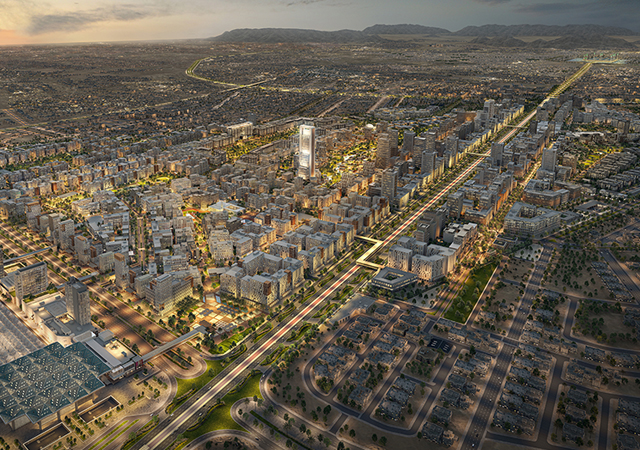
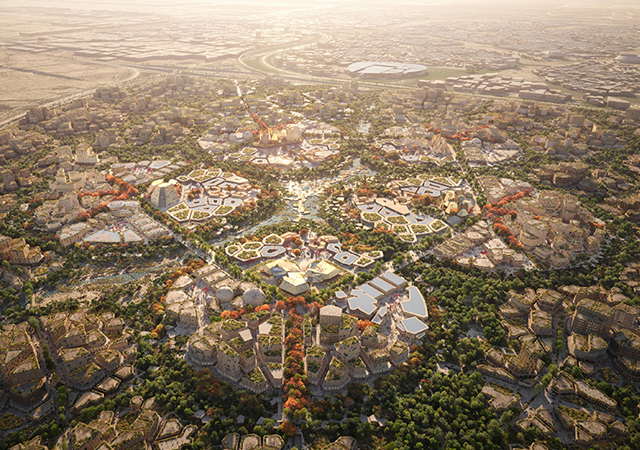
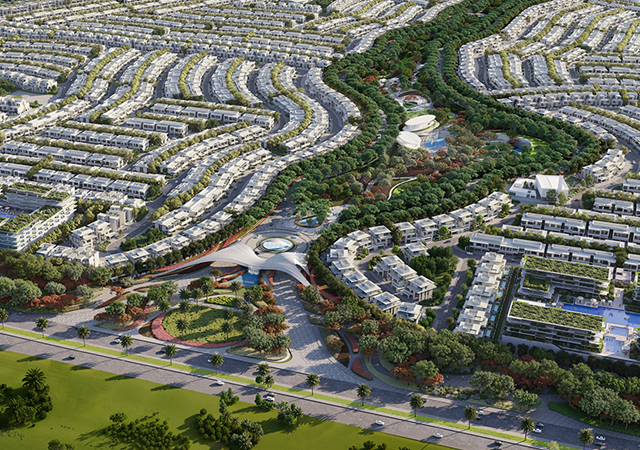
The masterplan of Knowledge Economic City.
Al Alyaa and Dar Al Jewar are the residential foundations. These communities give KEC a permanent resident population and with it the schools, amenities and daily economy that sustain everything else.
Taken together, the aim is a development that works across the full cycle: arrival, stay, experience and residence – not a collection of assets that happen to share a boundary.
What is the scope of works for Al Alyaa, what progress has been made to date, and what is the current construction and sales status?
Al Alyaa is KEC’s flagship residential community, and the clearest expression of our conviction that Madinah is a place to live, not only to visit. Extending across approximately 269,000 sq m, it comprises 1,490 residential units within a complete urban ecosystem: including a Hyatt Centric hotel of 144 rooms, 480 Hyatt House serviced apartments, an international school run by Riyadh Schools, a subsidiary of the MiSK Foundation, retail space, and landscaped gardens, parks and walkable public realm. The school matters more than its floor area suggests: it is being developed under a 25-year contract for a 20,000-sq-m campus serving up to 1,800 students. The campus is intended to strengthen Al Alyaa’s appeal as a long-term residential community for families.
Construction is progressing well across Al Alyaa, with several residential packages now at advanced stages of delivery. For example, selected buildings have achieved 100 per cent structural completion, with MEP works reaching up to 97 per cent and internal finishing up to 95 per cent.
Other packages are progressing through earlier stages of construction as part of the development’s phased delivery programme. Sales have also commenced, while KEC continues to advance infrastructure, landscaping, public realm and the wider community components in parallel.
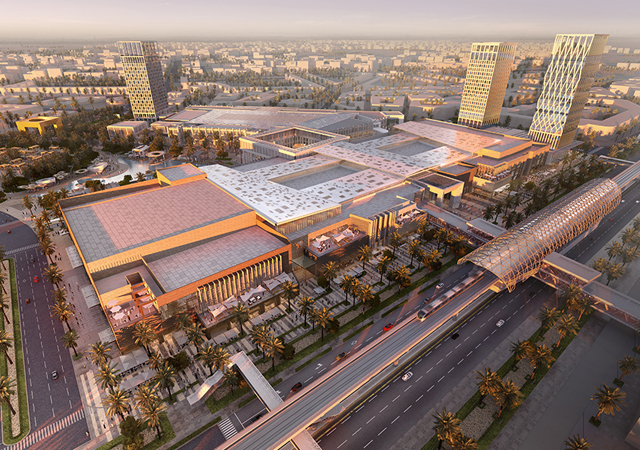
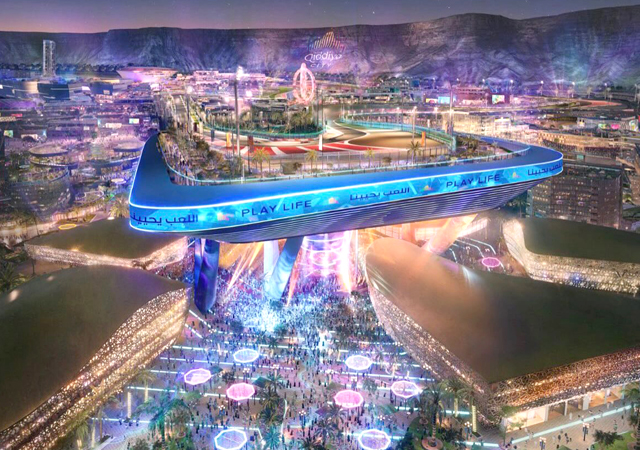
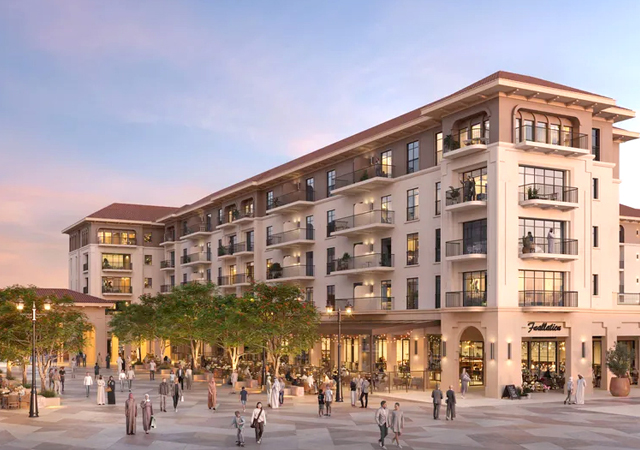
Multaqa Al Madinah offers 72,000 sq m of leasable space.
As at July 23, 2026, contracted sales covered 351 of Al Alyaa’s 1,420 residential units, with a total value of SAR520.7 million. A further 231 units, valued at SAR547.7 million, had been reserved by non-Saudi customers pending completion of contractual procedures; 470 units remained available for sale, while 368 were progressing through the off-plan licensing process. In July 2026, KEC also awarded a SAR117.6 million contract to Astra Construction Company for the architectural, MEP and external works for the Riyadh Schools Complex, with a 10-month contract period.
What initiatives has KEC undertaken to accelerate Al Alyaa, including contractor appointments, off-plan sales, infrastructure delivery, investor engagement and the planned tender for the premium villas?
KEC is advancing Al Alyaa through phased construction, off-plan sales and coordinated infrastructure delivery. Current work includes residential packages under construction and the Riyadh Schools Complex, alongside wider public-realm and utility works.
The next phase includes 70 premium villas, for which contractor-invitation procedures are being finalised. Investor engagement is being supported through the new pathway for eligible non-Saudi buyers and KEC’s partnership with Maison Privee, which is intended to give owners flexible short- and long-term rental options. Together, these measures are designed to sustain delivery momentum while aligning future releases with market demand.
What are the principal components of Madinah Gate, and what progress has been made on each element?
Madinah Gate is built on a simple proposition: the point where visitors arrive in Madinah should be a destination, not a corridor to pass through. It is the kingdom’s first transit-oriented development, integrated directly with the Haramain High-Speed Railway, and it sits roughly 5 km from the Prophet’s Mosque and 8 km from the airport.
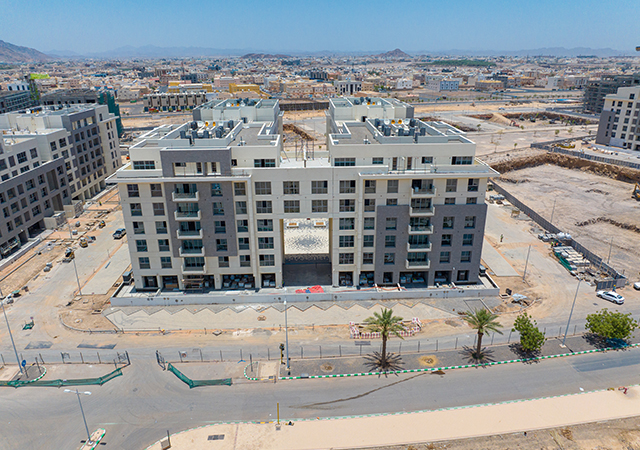
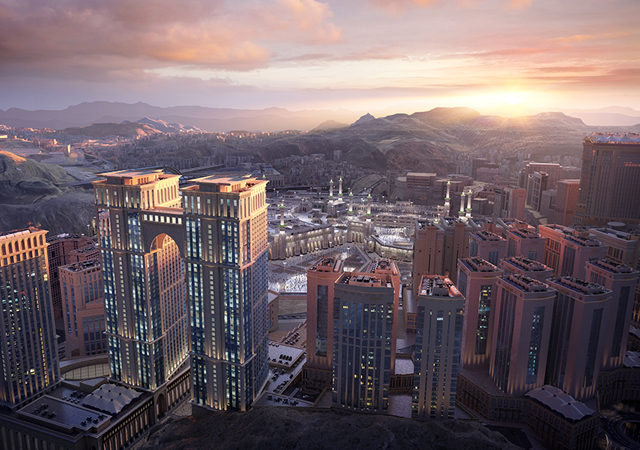
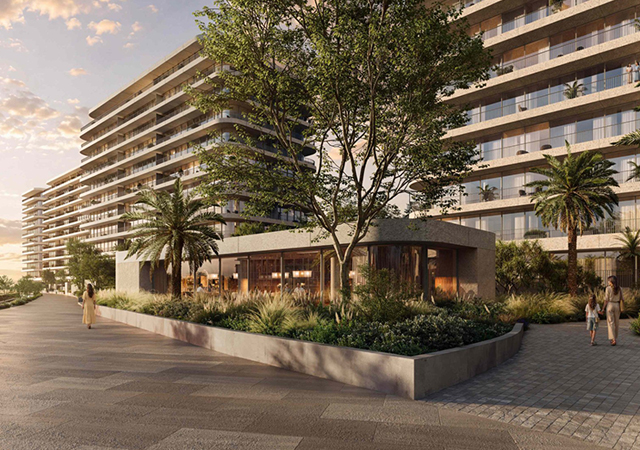
KEC continues to take shape as work progresses across its key destinations.
Phase One comprises 23,000 sq m of retail gross leasable area, the 325-room DoubleTree by Hilton, which is now open, and a bus station handling 780 passengers per hour, all within one arrival destination. Transport anchors the district; hospitality meets the accommodation demand that arrival creates; retail and food-and-beverage offerings are designed for residents as much as visitors, rather than on a transit-concession model; and the public realm ties it together with shaded, walkable space built to stay usable through the day in Madinah’s climate.
How is KEC positioning Madinah Gate as a transit-oriented destination linked to the Haramain High-Speed Railway, and what remaining design, infrastructure or investment initiatives are required to advance the project?
The Haramain High-Speed Railway has changed how people move between the Holy Cities and, with it, how visitors enter and move through Madinah. High-speed rail concentrates arrivals at a single point, creating an opportunity to turn transport infrastructure into a genuine destination.
Madinah Gate is designed for that outcome. For a city preparing for visitor volumes on the scale implied by the kingdom’s tourism targets, transit-oriented development is fundamentally about managing passenger flows and enabling seamless onward movement. Infrastructure, therefore, shapes the buildings, public realm and commercial mix, rather than serving merely as a support function. A genuine transit destination must also attract non-travellers, with accommodation, dining, entertainment and public spaces strong enough to generate demand beyond captive footfall.
For KEC, the strategic value is first contact. A visitor’s impression of Madinah begins the moment they arrive, and our ambition is for that impression to match the significance of the city they have come to.
Outline the scope and development phasing of the Islamic World District, and provide an update on works currently under way.
The Islamic World District is, in effect, a city within a city, and KEC’s flagship destination, one of the kingdom’s largest hospitality-led mixed-use developments within the Haram boundary. At roughly 980,000 sq m and targeting around 20,000 hotel rooms on completion, it translates Madinah’s standing in the Islamic world into a physical destination, bringing hospitality, residential, retail, cultural and public-space elements into a single environment. Alongside its hospitality core, it includes 785 residential units and a Madinah-inspired, souq-style retail and dining destination at its heart, set among landscaped public spaces, an arrival plaza, community facilities and a mosque. Its central promenade carries some 33,600 sq m of green space, 9,800 sq m of commercial area, a 3,350-sq-m gold souk, and a 12,500-sq-m mosque and museum as its cultural anchor. Across the district, the hotels are planned to be operated by leading global names including Hilton, Marriott, Radisson and Archipelago International.
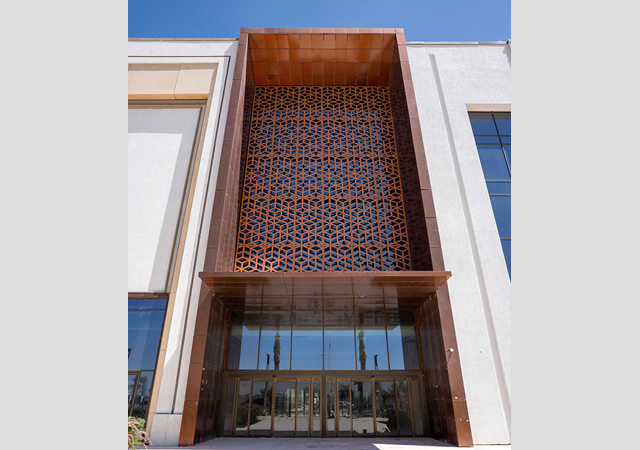
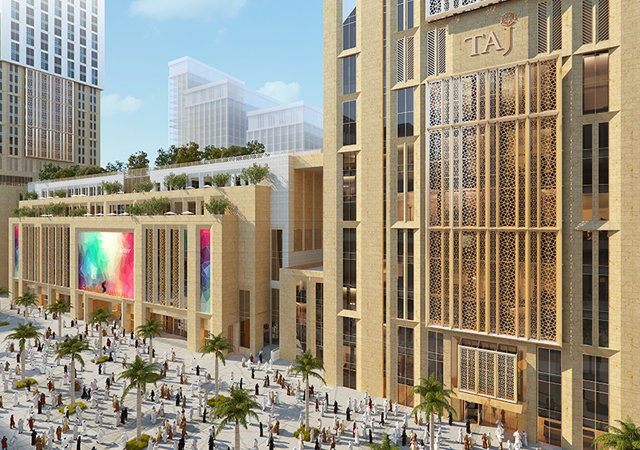
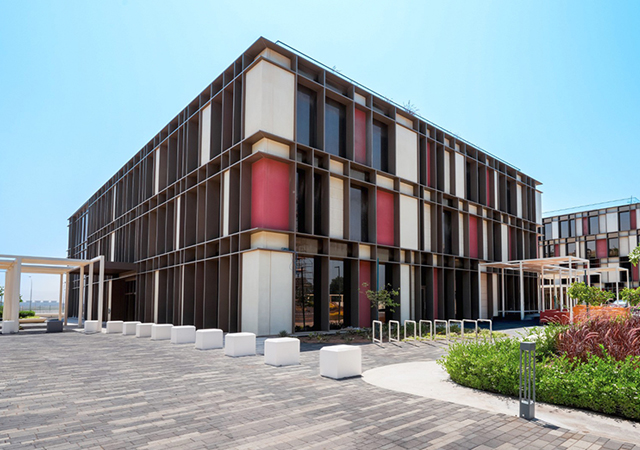
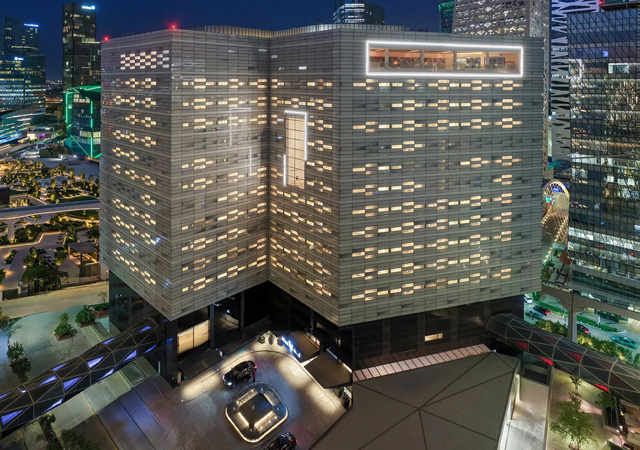
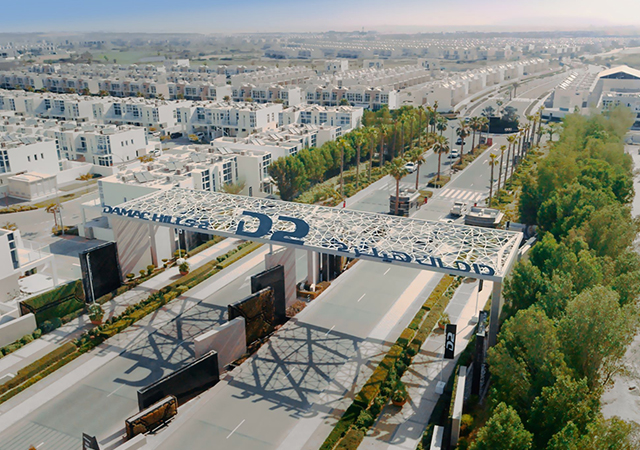
Intricate screen work on a facade at KEC.
The district is being delivered in phases and clusters so that each phase can operate independently. Clusters 1 and 2 are under construction through Fund 1 of the Islamic World District Fund, a Shariah-compliant investment vehicle managed by Sidra Capital. The fund is intended to deliver 1,835 hospitality keys through two international hotel operators, with a development value of approximately SAR1.619 billion, including land. This structure brings institutional capital into delivery while KEC retains its role as master developer. The district is positioned to connect with Al-Masjid an-Nabawi, the Haramain High-Speed Railway station, Prince Mohammad bin Abdulaziz International Airport and Quba Mosque.
Following the award of structural and embedded MEP works for Phase One, Cluster 1 of the Islamic World District, what measures are being taken to maintain construction momentum and prepare subsequent clusters for tender?
The award of structural and embedded MEP works for Phase One, Cluster 1 set the delivery baseline for the district. Since then, we have treated the first cluster as both a construction programme and a template, standardising design, procurement and site-logistics decisions at cluster level so that later clusters can build on approved solutions.
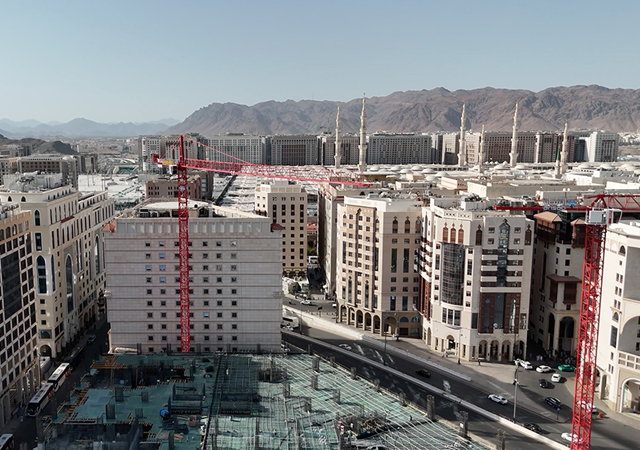
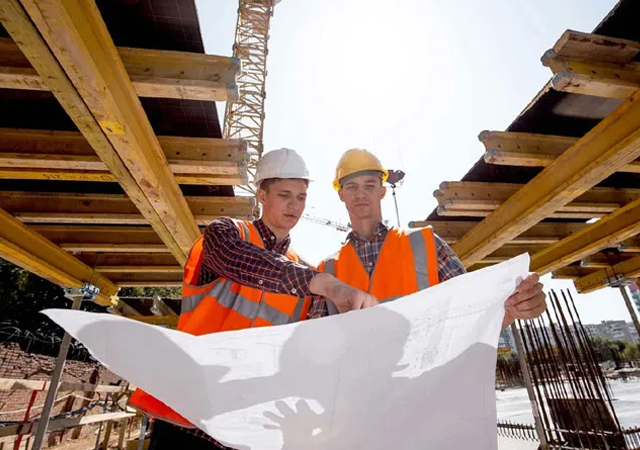
Work is now under way on the first two clusters of the district’s opening phase. Through our subsidiary, Algharraa International Real Estate Development Company Limited, we awarded the structural and embedded MEP packages to Alghanim International and China Gezhouba Group International Engineering Company (CGGC). These contracts cover roughly 1,500 hotel keys. Together, they move the project into full-scale construction. Work is progressing across both clusters: foundation works are nearing completion, structural works are advancing above ground, and tower cranes and heavy equipment are fully operational as the district enters vertical construction.
At this scale, momentum comes from sequencing more than from speed on any single package. In keeping with our infrastructure-first model, enabling works, permanent infrastructure and vertical construction are programmed to overlap, while design on later clusters advances alongside construction on the first, so that each becomes tender-ready as capacity frees up.
The opening phase spans hospitality, residential, retail and cultural components, making it one of Madinah’s major mixed-use developments currently under construction. It will provide approximately 5,162 hotel keys across multiple hotels operated by leading international brands, more than 1,091 residential units, and around 38,000 sq m of leasable retail space (GLA). Occupying much of the southern area beside the Haramain High-Speed Railway station, the Islamic World District is conceived as a meeting point for the cultures of the Islamic world, with architecture intended to reflect Madinah’s Islamic identity and the diversity of the wider Islamic world.
What is the planned scope of Multaqa AlMadinah and what is the status of the overall destination?
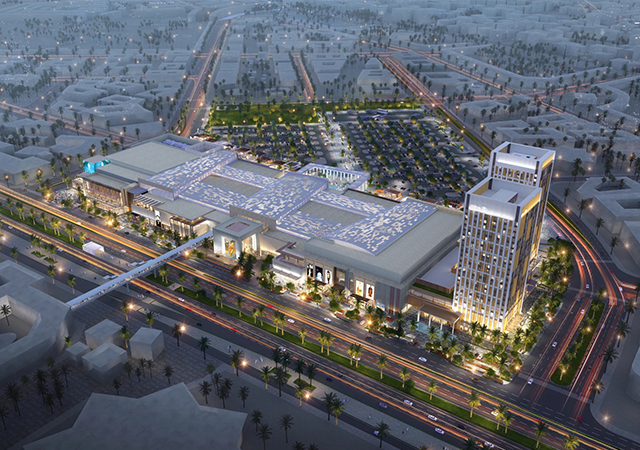
Multaqa AlMadinah is the first leisure and lifestyle destination that brings hospitality, branded residences, entertainment, sport, retail and dining into one connected public realm. It carries approximately 72,000 sq m of leasable space, with a direct entrance to a five-star Hilton hotel of 390 rooms and 66 serviced apartments. Its first-phase hospitality component adds a further 670 hotel rooms operated under the Marriott and JW Marriott brands. Its strength is the combination rather than any single element: branded residences supported by hotel services, entertainment and sport driving evening and weekend activity, and food, beverage and retail serving residents and visitors alike. For Madinah, the point is that lifestyle provision of this kind has been scarce relative to the city’s visitor numbers and Multaqa AlMadinah is designed to address that gap.
How will the recently announced Multaqa Residences partnership with Alrashid Properties contribute to the delivery, financing and market positioning of Multaqa AlMadinah?
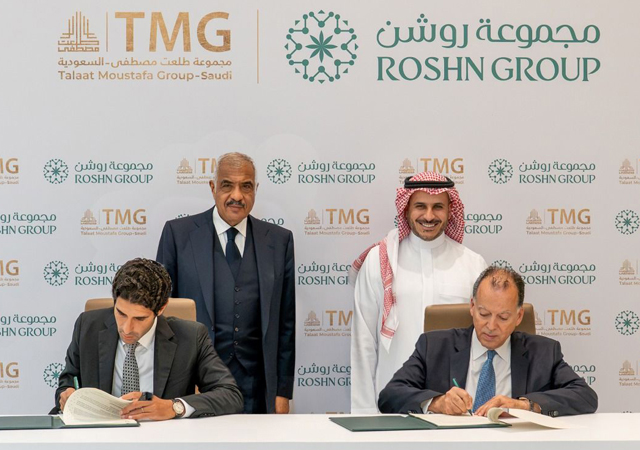
The development agreement with Alrashid Properties for Multaqa Residences reflects an approach we have applied consistently across the masterplan: partnering with established developers on individual components rather than building every element in-house. Importantly, this is not a land sale: KEC retains ownership of the land and remains master developer throughout the 54-month term, while Alrashid Properties is responsible for design, engineering, financing, construction, marketing, sales, delivery and maintenance of the units. The project will be developed under the off-plan sale-and-lease regulations once the necessary licences and approvals are in place.
The partnership supports delivery, financing and market positioning. Alrashid Properties brings execution capacity and assumes responsibility for the project’s estimated development cost of around SAR2.6 billion (excluding land), allowing KEC to advance several components in parallel; proceeds above the agreed reference cost will be shared between the parties. The association with an established Saudi developer also strengthens the project’s credibility in the market.
The project occupies a 149,520-sq-m plot on King Abdulaziz Road, at the heart of Multaqa AlMadinah alongside its Hilton and Marriott hospitality components, and is expected to generate total revenues of approximately SAR5 billion. In many ways, it is the definition of the model we are pursuing: land in one of the best locations in Madinah, matched with a developer with a proven record of turning masterplans into completed projects.
What is the current scope and status of Dar Al Jewar?
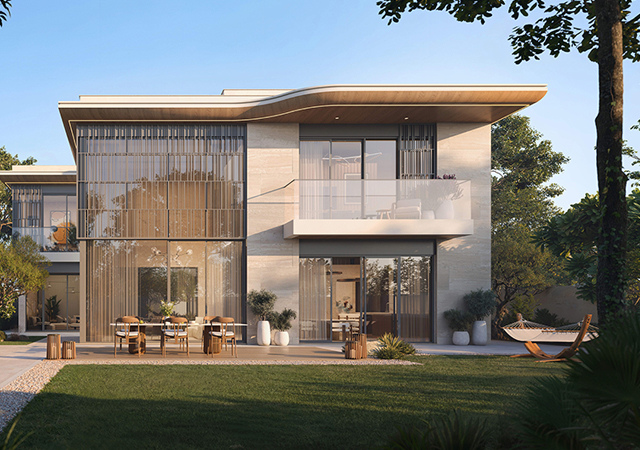
Dar Al Jewar is one of KEC’s earliest completed residential developments and provides an established foundation for the continued growth of the community. The premium gated residential community comprises 457 villas and townhouses, designed around family living, privacy and quality of life in Madinah.
Extending across approximately 266,000 sq m, the community places lifestyle and wellbeing at its heart, with around 70,000 sq m of landscaped gardens and walking paths, creating a green, walkable environment for residents. The wider amenity offering includes a community mosque, clubhouse, separate male and female swimming pools and gyms, sports facilities, children’s play areas and dedicated spaces for families to meet, relax and spend time together.
The emphasis is on creating more than a residential development: a complete neighbourhood where homes, greenery, recreation, wellbeing and community facilities come together to support everyday family life.
Building on the established community, KEC continues to evaluate opportunities to further enhance Dar Al Jewar and its residential offering, infrastructure, landscaping and supporting amenities as part of the wider KEC masterplan.
What are KEC’s most important milestones anticipated by the end of 2026, and what should the market expect in terms of project activity over the next 12–18 months?
The next 12–18 months will be an important period of delivery across KEC’s key destinations. A major milestone will be the opening of Multaqa AlMadinah Mall, bringing a significant new retail, dining, entertainment and lifestyle offering to Madinah.
Across Al Alyaa, the focus remains on advancing construction and residential delivery, supported by continued sales activity and the development of the wider community infrastructure and amenities.
At the same time, KEC will continue to advance the Islamic World District, Madinah Gate, Multaqa AlMadinah and its wider residential portfolio through their respective development and delivery programmes.
Overall, the market should expect continued construction progress, new destination openings and further development activity as KEC moves more elements of its masterplan from planning into delivery.
Is there anything else you would like to add about the project and its vision?
Building in Madinah carries a responsibility that is not primarily commercial. Millions of people come here every year for reasons that have nothing to do with real estate, and what we build shapes an experience that matters deeply to them. That sits behind our planning decisions as much as any commercial consideration.
One of the clearest signals of delivery is operator commitment. Leading global hotel operators, including Hilton, Marriott, Hyatt, Radisson and Archipelago International, have committed to KEC’s destinations. Such long-term brand commitments reflect confidence in demand, governance and delivery. Across the current development pipeline, KEC is adding more than 11,000 hotel rooms to the Saudi market, within a masterplan of 6.8 million sq m that will ultimately deliver 42,000 rooms. That is not the profile of a project; it is the profile of a city.
The wider ambition is for Knowledge Economic City to leave Madinah with permanent capacity: homes for residents, jobs that support families, hospitality that serves visitors, and public spaces that function as civic places rather than merely as routes through the city. Progress is measured through sustained delivery, and our focus remains on fulfilling our commitments.